If composition is one of the most significant aspects of a good picture, and I think most of us agree it is, what do we do about nature’s smallest wildlife? I mean, a landscape’s easy (sort of), a bird or a mammal can be worked loosely with a compositional crop to follow at home. A flower or a plant doesn’t move (too much) and you can change your direction and angle. Nature’s smallest wildlife subjects like insects, spiders etc, move, and if they are on the backside of a plant, you have to squeeze to that backside to make a picture of any kind. In my humble opinion, macros of “little wildlife” present nature photographers with their most challenging scenarios. By comparison the rest is reasonably easy.
I love photographing caterpillars despite the fact they are often underneath plants. I was teaching a workshop at a near-by state park and macros were the order of the day. We walked and talked while we looked for suitable subjects, I consistently turned plant leaves over looking underneath. I explained to my inquisitive student, that I was looking for caterpillars. We found several critters of three different types that day.
I spent about 20 minutes with this colorful caterpillar. Caterpillars are slow but this hungry beauty never stopped moving. Shutter speed actually became a factor here. That meant that depth of field was also at a premium. I let my subject make my compositions for me and the model was “at least” as artistic as the photographer. The loose composition imparts a sense of place for this species, while the tighter point of view is all about the caterpillar. The curvy way caterpillars frequently move, make for images with a rhythm and flow to them.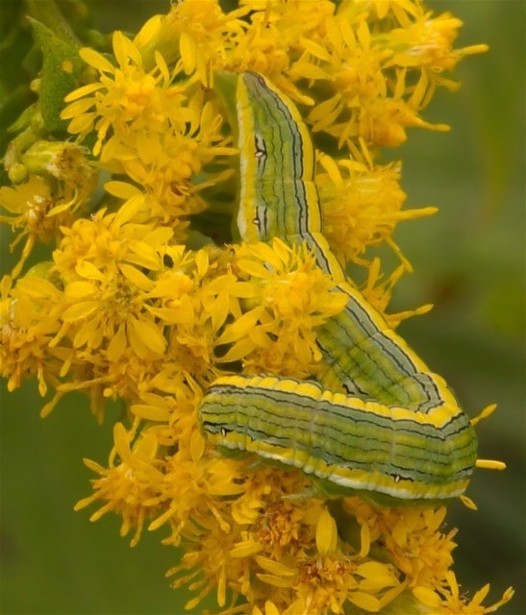

This wasp would fly and then stop for several minutes before moving on. I believe it was hunting the some of the many tiny insects that can be found on nectar filled flowers. I am not above tipping the camera and tripod for a better shot. The curving body of my subject helped keep the composition active and pleasing.
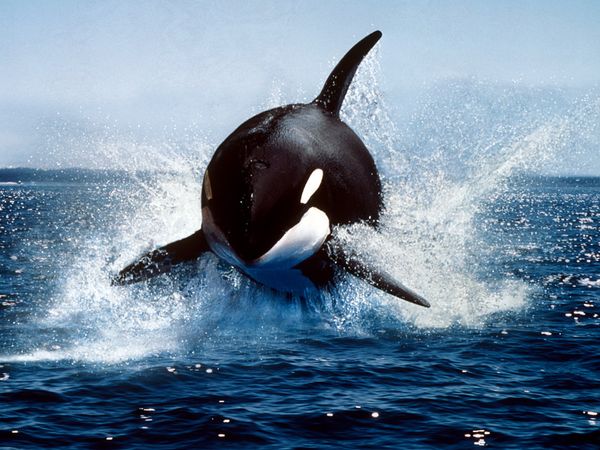
While insect compositions are interesting, I must admit they don’t often present us with a lot of action and excitement. Such is not the case with the photography of Orca Whales. These images came from Google Photos and they are great examples of stop action photography. In keeping with the recent past, I will continue to share “at least” as many pictures from other photographers as I do my own.

David Hemmings is wildlife photographer that sits among the world’s elite. I grabbed this image from Facebook. If you have interest in taking a bird related workshop, David is the guy to go to. I only wish he would branch into some landscapes and a few more mammal sessions. 
Y’all come back now…… Wayne
 Earth Images Blog by Wayne Nelson