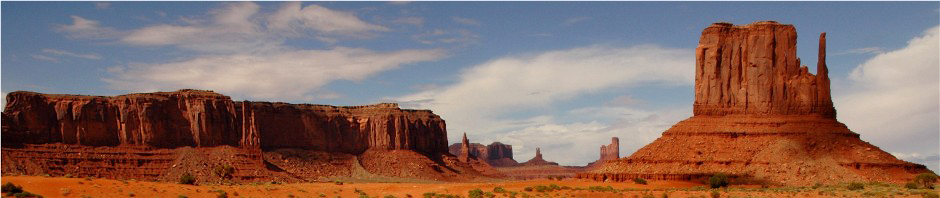
Now that I have your attention.
I don’t think sex is the preferred term for insects mating, but you get the picture.
Today’s photos are all macros but were made with a variety of techniques. The one constant is that a tripod was used in all cases. All but the frost on Chicory photo are digital originals. They were made with the Nikon 105 Micro, Sigma 75-300 Zoom and Nikon 300mm f4 lenses.
Photographing all reproductive behavior including mating, is a part of being a nature photographer. All in all, insects are probably the easiest to find in this position. Often time you will see them early in the morning and still chilled from the night before. I know all about cuddling but that’s crazy.
From a photographer’s perspective, when photographing mating insects, one of the most important things to remember is unified sharpness. I personally believe that both critters need to be equally crisp. Keeping your camera back parallel to both participants, and/or extending your depth of field via your choice of f stop, in order to cover them both, is the answer. If you are using an aperture of say f32, you must either have a background that is far enough away from your subjects to render it clean and soft, or a good habitat in the background where f32 will render detail in the same way as it does the insects. If your personal choice is to have once subject sharp and the other soft, I think you will be disappointed that the soft subject will only be a “little bit” soft. That is because of the obvious close proximity of the two mating insects. It will look more like a mistake than a personal artistic choice.
Do not use my IDs as an absolute identity system. My books are old and I do not study them anymore. Most of my decisions come from my memory and that is risky at best. That goes for flowers and insects.
Japanese Beetles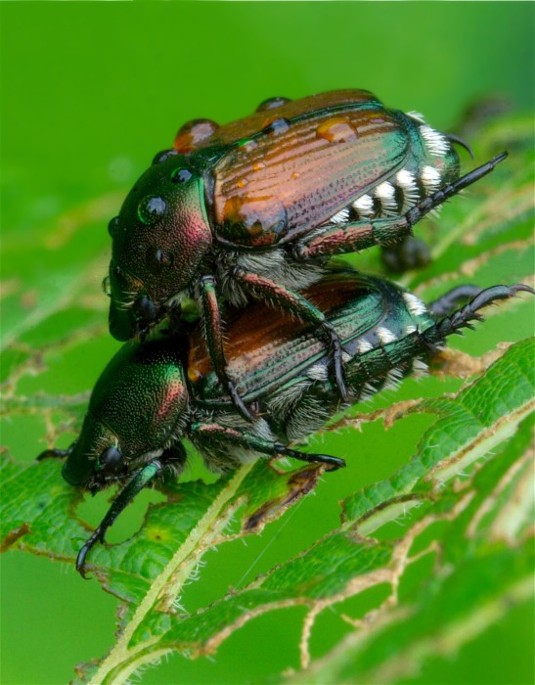
Pennsylvania Leatherwing Beetles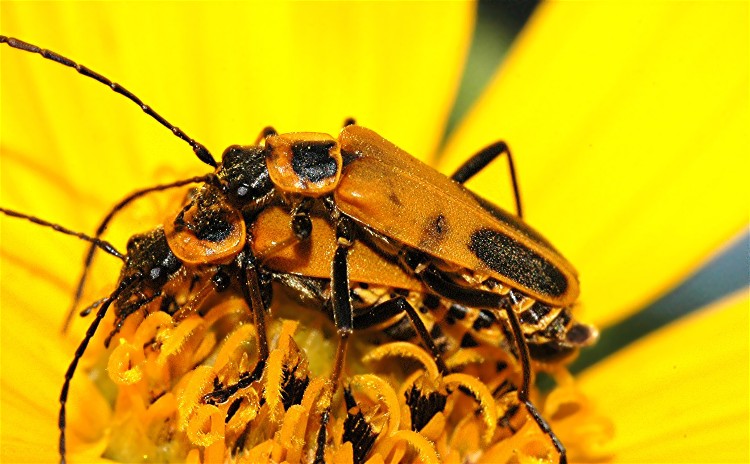
Brown-spotted Yellow-wing dragonflies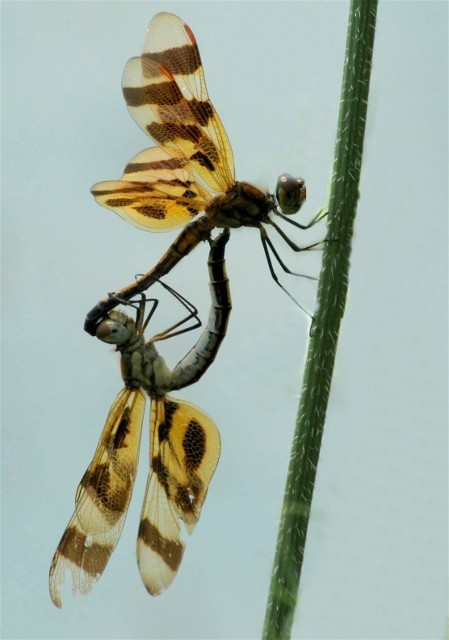
Half-banded Topers or Red Skimmers (horizontal cropped vertical)
Red Milkweed Beetles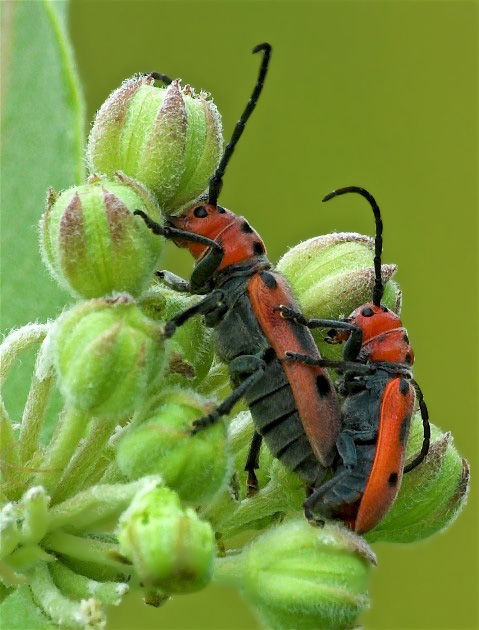
Photographing close-ups of flowers is all about composition. You will see many of the rules of composition (power points, rule of thirds etc.) used in today’s pictures. You will see even more rules that were broken. Flowers are a versatile artistic subject and definitely use those rules to improve your images, then throw them in the trash to expand your creativity.
Chicory Flower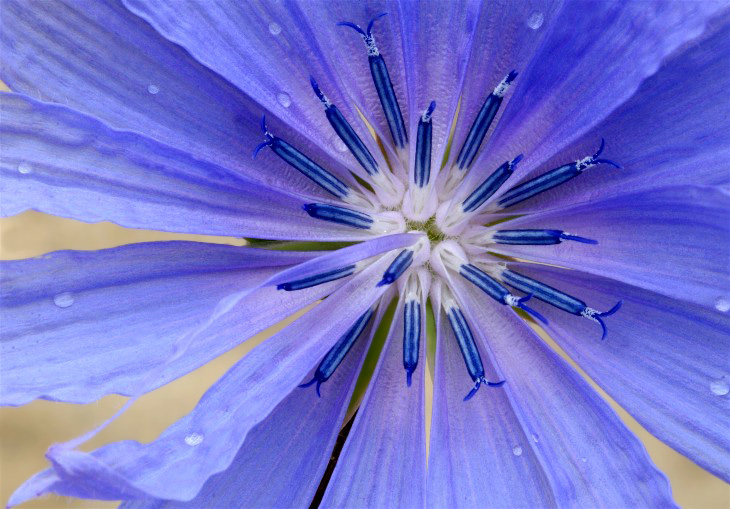
Chicory Flower at sunrise with frost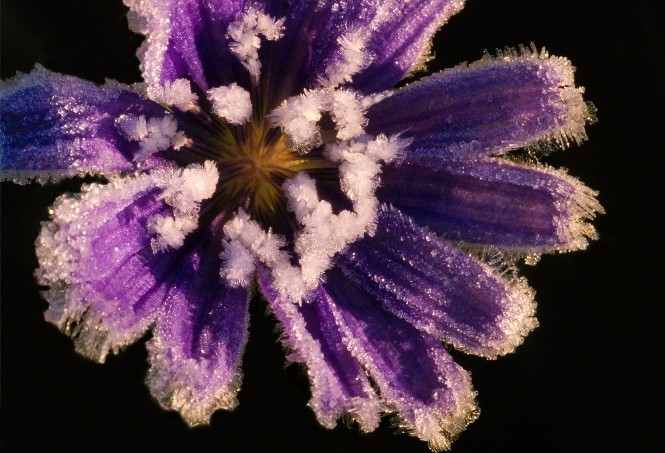
Cultivated flower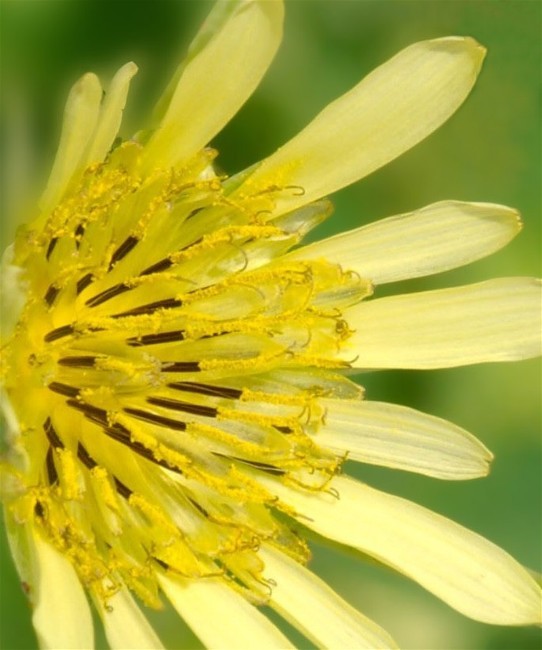
Wildflower ?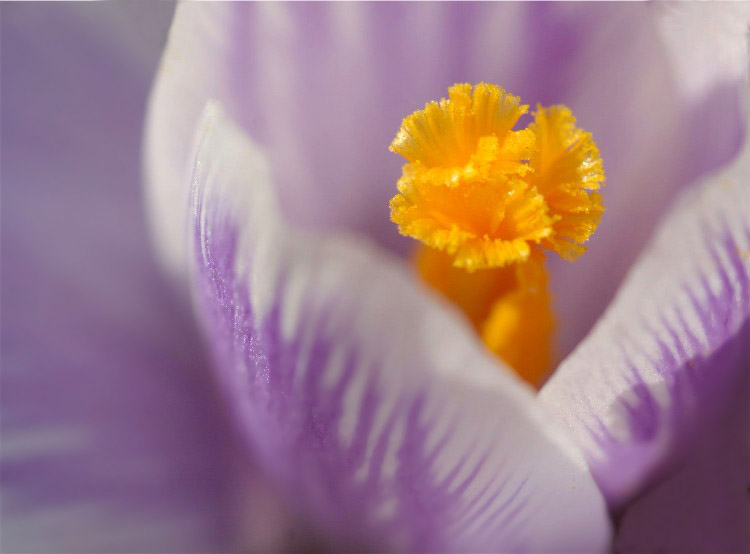
Muskflower
Cactus Flowers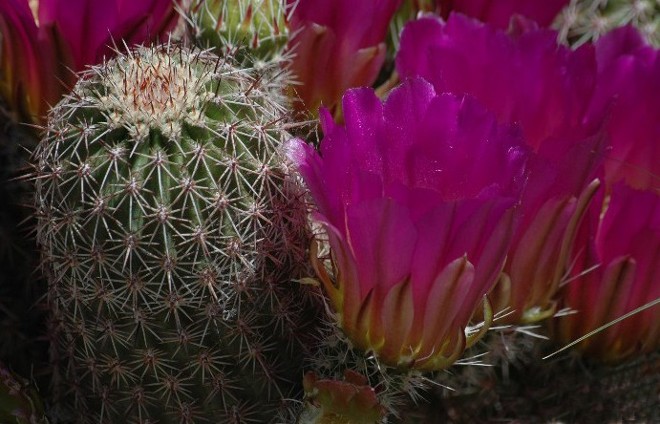
Purple Coneflower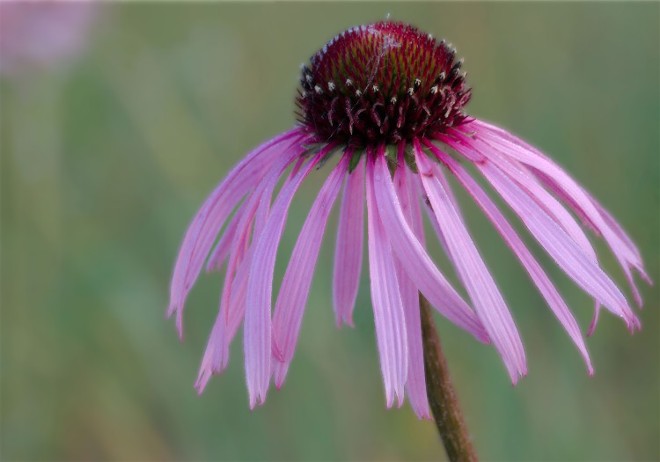
For today’s photographer link, I bring to you Dave Black. Dave is a well-known professional sports photographer. He has done just about everything, and he has a creative vision for sports. The secret to general sports image making is to understand that every sport is different. To capture the essence of different events means being able to feel what each sport means. Study both the competitors and the spectators. People have passions for the sports they choose to watch, or compete in. I am guessing that Dave feels the same about sports photography as many of us do about nature.
I do share a few subjects with Dave. I have professionally photographed many hundreds of car races and one rodeo (a small one), one hunter/jumper (horses) show, hockey once, downhill skiing once, ice dancing once, and one (not as a professional) horse race.
I finally did catch an episode of Wild Photo Adventures early this morning on local (Milwaukee) PBS affiliate channel 36.2 at 12;30 a.m. I would suggest for all of you normal people, you may want to DVR the program. I enjoyed it very much. I always have a few criticisms for the host Doug Gardner. I guess it is the former teacher in me. Just the same he is a good guy and a good photographer. This episode had Doug photographing birds in a South Carolina lake/swamp. I would have given a lot to have been on that boat with him. Six month’s worth of subjects in one day.
I hope all of you are making use of spring to express yourself with your camera. With the possible exception of wind, all of the conditions that have presented itself so far in this area, have been good for photography. Rain, clouds, sun, frost. A million pictures swim through my head. I’ll bet that some of you could also find a creative use for that wind as well. Make hay while the sun shines…….or when it doesn’t. Before you know it this season will be gone and you will have been a spectator instead of a participant.
See you next time, Wayne
 Earth Images Blog by Wayne Nelson
Your last statement is very profound.
Thank you Pal, I appreciate that you found it so.