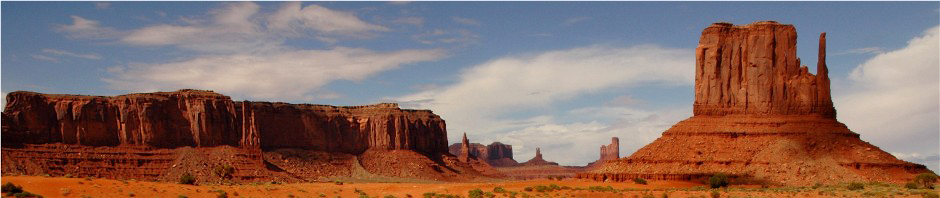
Feathers today.
The Common Loon. Not very colorful, but their missile like shape and the beautiful patterns on their feathers make them a favorite of photographers everywhere. They also have an amazing array of sounds. Many years ago I stood at the edge of a northern Michigan lake listening to a wolf. I soon realized that the sound was coming from a loon not a wolf. I made the photos below at my personal favorite loon location, Crex Meadows Wildlife Area in northwestern Wisconsin. Of course those of you who know me also know that Crex is a special place for me when it comes to all things in nature. It is fairly common for loons to swim near the shore of Phantom Lake, making the creation of images fairly simple. I was in my car when these two swam by me. I quickly got out with a tripod and walked ahead, and then just waited for them to swim past. I repeated this about four times.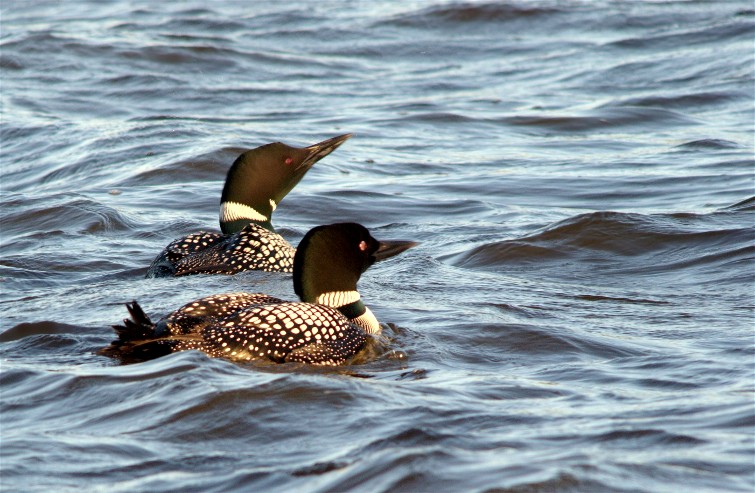

Bank Swallows may be the plainest bird in the swallow family, but their communal nesting in the side of hills is fascinating. This is an old film image. At this location I would sit in my car at the edge of an abandon parking lot. Just to my left was an old pile of dirt that they would use for nesting. In many cases I was at the minimum focusing distance of my lens. I would then switch to a 300mm lens, and then to a 50mm leans. This helped me tell the whole story of the Bank Swallow. In this case one adult is feeding babies while the other observes. The pile of dirt was removed a few years ago but there is another site in this area.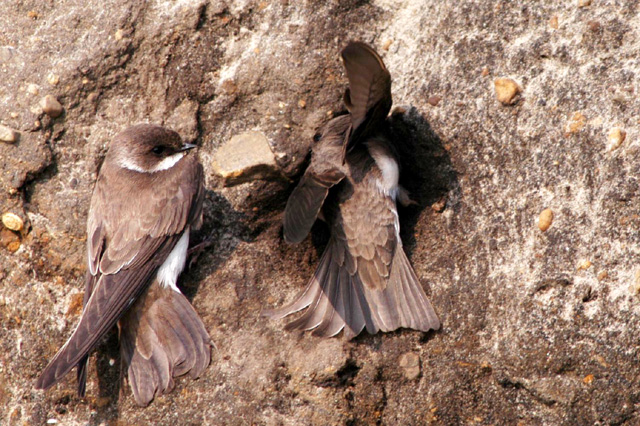
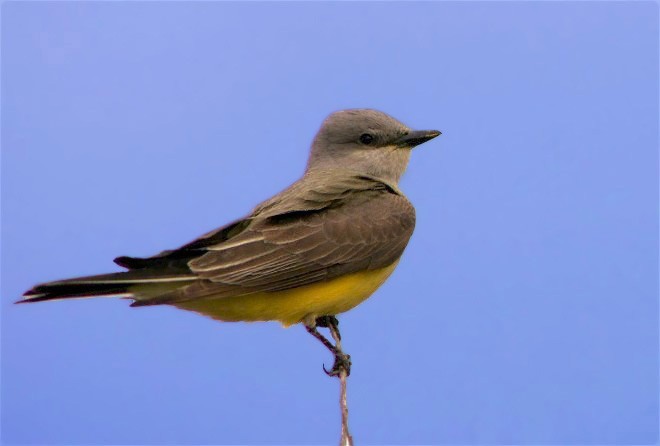
One of my ambitions in stock photography was to get the North American eastern and western versions of as many bird species as possible. I have many Eastern Bluebird pictures but (if memory serves me) one single slide of a Western Bluebird. Memory also fails me as to just how good that slide is. I also have many very good shots of the Eastern Meadowlark, but have never succeeded to make a sharp picture of a Western Meadowlark. I have many images of the Eastern Kingbird, but I have actually managed to get a small sampling of Western Kingbird shots. In the case of the Kingbird the western version carries a bit more color. In this “east meets west” encounter below we see the east followed by the west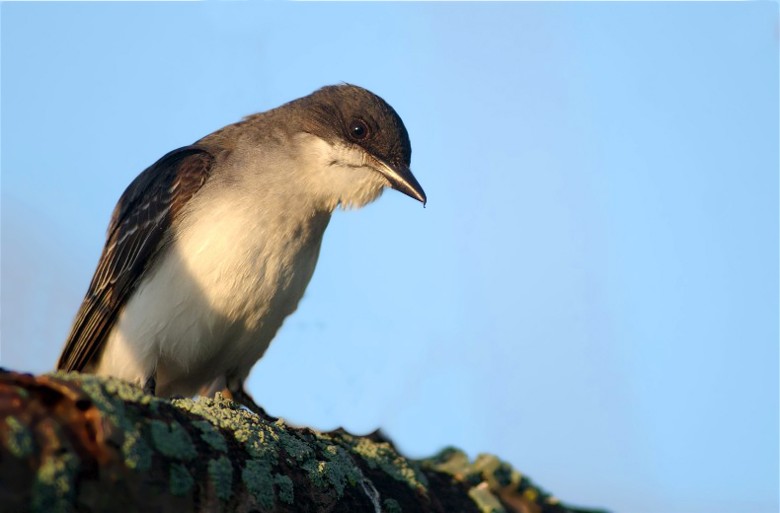
I was viewing and reading a post in a bird photography group the other day. In this forum you post photos of birds that go to several thousand bird photographers around the world, via their personal email. You are encouraged to include some tech info. The tech comments that accompany the pictures by these veterans so often contain the same misconceptions that new photographers make about f stop, shutter speed etc. One great veteran photographer made three pictures with a zoom lens set at its maximum focal length (210mm) for all of those photos. They were all shot with the aperture wide open which is f4 with this lens. He shoots like many of us in the aperture priority mode. He put a 1.4 converter behind the lens for two shots, and removed it for one. He noted how he actually shot those first two images at f5.6 because of the converter. If you shoot three images with your lens genuinely set at f4, then all of those images were shot at f4. Using the 1.4 converter robs your camera of one stop of light. That means that your shutter speed has to be cut in half to let in twice as much light. Your f4 lens is still an f4 lens. Photographers often like to say that a their lens (say it is f4 maximum) will lose light with that converter or that filter, and become a 5.6 lens. The lens will always be a f4 lens.
There has always been and always will be a school of photographers that say “I am an artist not a technician, I need to be free to create without being encumbered by technical things”. The problem is the science of photography is what you use to create. It is the tool that is in your hand to capture your own personal vision and then share it with the world. F stop and shutter speed and the exposure it creates, as well as the depth of field and the blurring and stopping ability of the shutter, are the paint brush in your hand. Instead of merely looking at light and saying that’s great I think I’ll shoot now, or that’s terrible I’ll wait until later, if you understand how you can use your camera to effectively to pin point your exposure, you will have a much larger world at your fingertips to create your art.
It is in my opinion a true statement when photographers say that cameras don’t create art, people do. That is exactly why you don’t leave your picture in the hands of your camera. It is when you take control the camera instead of the other way around, that you also take control of the art, instead of leaving it to a piece of plastic and metal. Cameras have no heart and they have no soul. They can see, but they have no vision.
This has not been my favorite year to live in the upper Midwest of the U.S. I have not been bothered by the heat, and the drought has been hard on many, but has not affected me. As a long time photographer I have never been so Bored in my life. EVERY sunny day looks just like yesterday. Variety is the spice of life.
 Earth Images Blog by Wayne Nelson
Amen to the boredom. I wish we could go on more trips. They were the highlite of my last 20 years. Many great times and learning about the natural world as a perk.
There were a lot of great times. I even miss those long over night drives otn the interstates. The learning about nature part was really special. I always loved nature but had never made it the center of my life. It’s amazing how much you can learn when you do.