I recently heard from an acquaintance (we’ll call him Pete) who looked at the “created on date” in the EXIF data of one of my pictures, only to find that I made the photograph in 1700. I told you that I had made pictures for a long time. Actually I do know that with one of the software programs I use, if I do a save as, it will change the real date to the date of the save as, but 1700.……..no wonder I am always tired.
I had another question (Pete?) about another post where I showed a Swainson’s Hawk. The question was “why was the background sky, lavender?” The answer is that I don’t know. I have noticed that same thing on a few of my, and other people’s photos. I made no color changes to the sky, but did think about adding blue to the sky in the editing process to correct the color. I can tell you that my white balance was set at auto, and did not malfunction on any other images that were made that morning.
I have had some great back channel debates over the views I shared in my Who Are You post. That means I was successful as that is the primary purpose of that sort of article.
In some respects nature photography, particularly with wildlife, is a lot like fishing. We all have our stories of “the one that got away”. It is definitely more than one in my case. I have missed two great Timberwolf images. Both occasions took place in Wisconsin’s north woods while I was driving. I made a couple of bad shots of one of those wolves, but nothing to write home about. Another time I had a Mink with a Bull Frog in its mouth stop 20 feet in front of me and stare at the camera. It froze for about two seconds. I guess I would have been a bad gunfighter because I was too slow on the draw. I had a one morning chance at The Grand Tetons and the light failed. Those are just the tip of the iceberg, but at least in all of theses cases I gave it a good try.
The three missed images that I remember the most went slowly passed me while I sat with my cameras within a couple of feet from my hands. I almost feel I have no right to say I was a photographer with that being the case
For many years when I traveled the country, I packed an ample supply of model and property releases. These are necessary to keep yourself legal when any images you make of people or/and private property are published. I wonder how many of you reading this know that this is necessary. Do you know that putting those pictures on a website, blog or even Facebook constitutes publishing them? I did manage to use four property releases over the years. A New Mexico Ranch, a Wisconsin Farm, a Washington State private fish hatchery, and a private miner’s cabin in Colorado were the subjects. I never once used a model release. Despite the fact that I have photographed weddings and done portraits I must admit that I am just not a people photographer. There were three times in my life where I should have changed that.
In the early 1990s I flew into Albuquerque, picked up my rental vehicle and began one of the best trips of my life. Bosque del Apache, White Sands, more Spanish and Native American Historic sites that I could count. Mountains, prairies and deserts. Two or three days into my trip I noticed something crossing the road ahead of me. There was about fifty head of cattle crossing the road. Those cattle were being surrounded by four men on horseback. They were Hispanic and dressed like Gauchos, but this was not a show for tourists. I sat in my car and watched this page out of the nineteenth century ride past me. A bicyclist pulled up next to me and a conversation ensued. I was told this was a once a year ritual and only a few locals knew that there was an annual cattle drive in the area. They would drive the cattle from their small ranch to a larger one 80 miles away, and the larger ranch would pay them and then use semi tractors to transport the cattle of both ranches. Wayne the photographer, sat and watched in wonder. He watched and he watched.
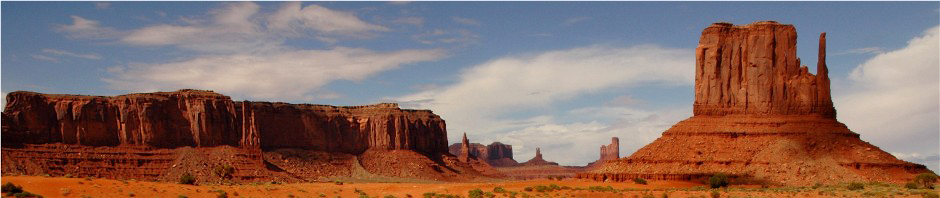
In 2005, Ron and I pulled into the legendary Monument Valley, to begin a very successful day of landscape photography. Just one dirt road runs through the valley. Many people do not realize that there are about 300 Navajos that live back in the valley. They live with no electricity or running water. They bring water in from the visitor center and light and heat their huts the old-fashioned way. They earn their living herding sheep and goats. About 30 minutes into our drive we stopped to watch a lone Navajo tribesman. He was dressed in a traditional Indian shirt, with a ranger type hat with a single feather on the left side. He road a bay gelding and had an Australian Sheppard dog working with him as he moved his herd of sheep. A pretty good memory aay. It must be good because there are no pictures to prove it. This time I had another photographer with me, who apparently is about as sharp as I am. We enjoyed the view and then moved on in ignorant bliss. Our trip wasn’t over. For those wanting to travel into the valley’s back country, you must hire a Navajo guide at the visitor center. With your guide you can head into the MV wilderness via pack horse or jeep. Those guides are not to be confused with the goat and sheep herders, although they may live in Monument Valley.
A few days later we were in Eastern Wyoming heading for the Black Hills and The Badlands. I have been in this green rolling prairie dozens of times in my life. This is essentially a backcountry section of some of America’s largest cattle ranches. It is often full of thousands of Pronghorns and when I lived in Colorado this is where I would come to see that species. The Pronghorns were a bit thin that day but Ron spotted a nice little dirt road running back into the prairie/hill country. As we headed to “who knows where” we passed between two fences and spotted a herd of cattle spread out on one side. The road dead ended near a large hill with no particular photographic prospects. As we turned around to head out 1880 appeared just up the road. Two young (20s) cowboys were approaching. Well one cowboy and one cowgirl. Their clothing was right out of an old western movie, but they were not dressed for show. From the top of their hats to the tips of their boots, and the dusters that they wore in between, the clothing, the saddlery on the horses, and everything else was functional. We were in a remote location and this was not a show. We watched as the young cowpokes drove the herd of cattle from one pasture to another. It was rotation day and I marveled at the expertise of both the cutting horses and their riders. I hope my description is adequate because there are no pictures to prove anything. Photographers pay good money to go to Dude Ranches and make these kinds of photos of cowboys who have pretty much become stage actors. Here are three perfect opportunities to get the real thing, and our cameras remained silent. Americana road past several times and was watched but not photographed..
I think the reason is that I, (and Ron) passed on those pictures is that we have never really thought of ourselves as a people photographers. No matter what your chosen subject is, always make the decision to create images of anything that will fascinate or inspire.
I’ve written several times about my father but have rarely mentioned my mother. I think that is because she died many years ago while my father’s passing was fairly recent. I can assure I love my Mom a great deal and I was a very fortunate person to have had her. Mom, happy Mother’s Day and I miss both you and Dad!!
I’ll close with a few images of birds of prey.
Snowy Owl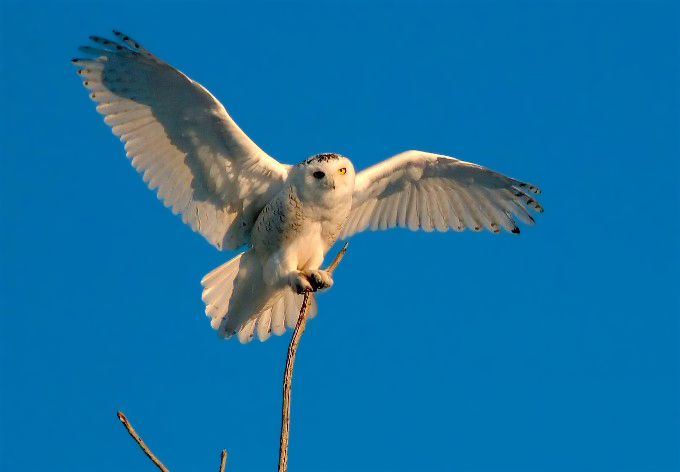
Red-tailed Hawks

Swainson’s Hawk
 Earth Images Blog by Wayne Nelson
Glad you made the comment of us not being people shooters…….I shot for 25 years and took 1 image of my daughter in that time. Put an animal or bird in front of me and the camera would be whirring.
I want to add to another statement you made……..They earn their living by herding sheep and goats…..and tourist. They haul tourist ( that’s herding , right) to points of interest and break out the drums at each stop and sing and dance, and then hold their hand out.
Didn’t see your coment here Ron. Damn I guess even Monument Valley is just another Disney style gimmick!