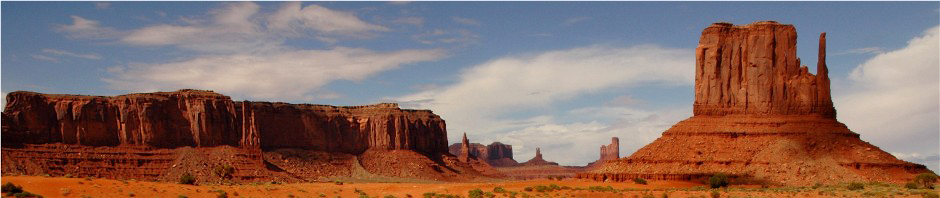
One of the great joys of photography, especially nature photography, is there are so many subjects to photograph, and an endless amount of ways to interpret them.
Creating images is not just about copying exactly what every other photographer would do. It is about photographing the way you see it. In other words, using composition via lens, distance, angle and more, to share what you have to say about it. I am not speaking of altering and recreating the subject at home, although you could if you wanted to.
Move around and change lenses if you can. Look at the light and see how it strikes or caresses the subject. Shadows? They can be good or bad. Low or high contrast? Close-up or far away. Both have value.
You will create some powerful images, and some will be gentle.
Photographing the seasons is always fun and open to the mindset and sensibilities of each and every photographer.
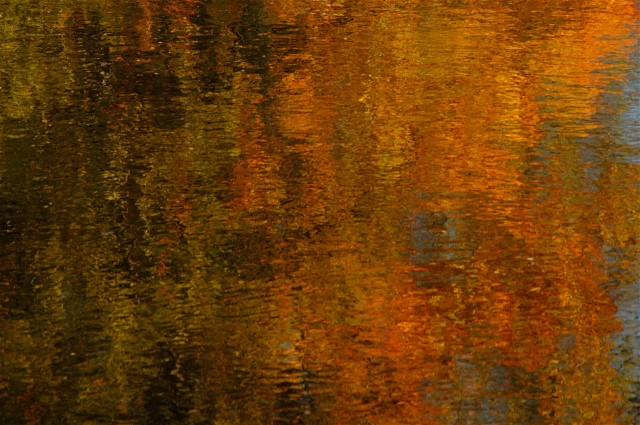
I have made and shared hundreds of autumn images of trees in bloom. Individual trees, and entire forests. I have also made and shared countless fall photos of fallen leaves. What’s left? How about autumn reflections in a pond?
You might say, you miss the view of the entire forest. Make those images too but don’t miss what lays in front of you.
One of the hardest things I faced when teaching photography, was to get students to keep searching for new views, and differing “attitudes” and moods.
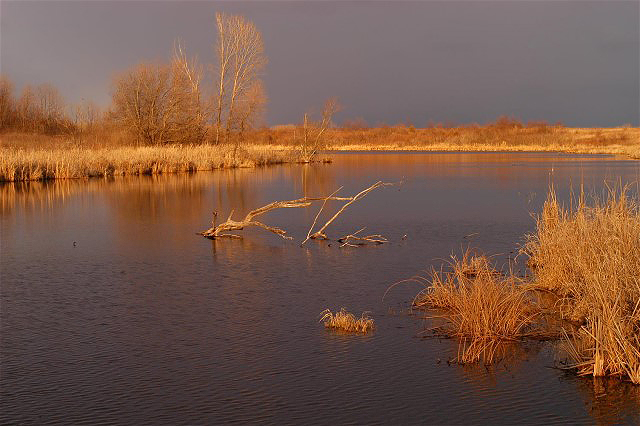
Most of you know, I love the hours of sunrise and sunset, and I also love storms and cloudy days.
What about a mixture of those things?
This Wisconsin wetland at sunset in not quite winter. It gave me an opportunity to do something different.
Mood counts for a lot in photography.
Every wildlife image does not need to be a close-up, nor does the subject need to be at eye level. This lizard in New Mexico was at my feet and I didn’t even know it as I composed a landscape. I glanced down, and quit on the scenic and concentrated on the couple of images I managed with my new little friend.
It was gone quickly but my memories return every time I view this little gem.

The early morning light can compliment a building or a tree, it also can work its magic on three little Great-horned Owl triplets.
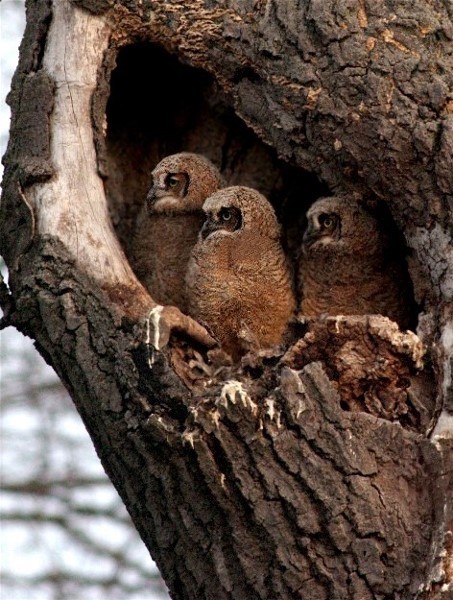
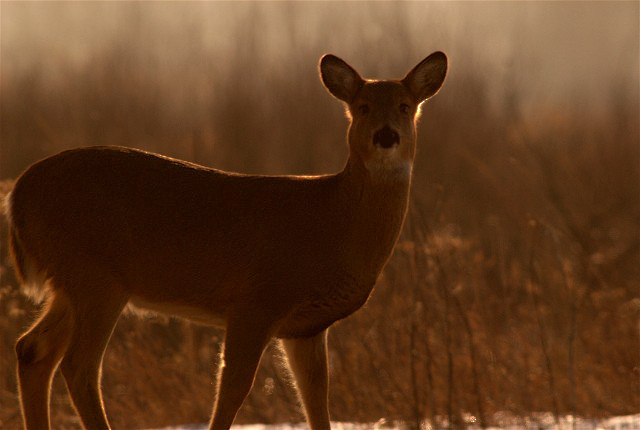
Every wildlife picture need not be a identification photo. There is room for God-given art via the time of day, and the direction the light is coming from.
I would certainly not wanted every wildlife photo I made to have had the direction and quality of light you see below, but once in a lifetime? You bet!!
I have made thousands of sunrise/sunset images, but there was always room for something different with a different mood. This river greeted the sunrise by belching steam from its surface. The grasses, trees, especially the lone tree on my side of the bank, were perfect for silhouettes.
We need to see with our eyes, our mind, and our heart.

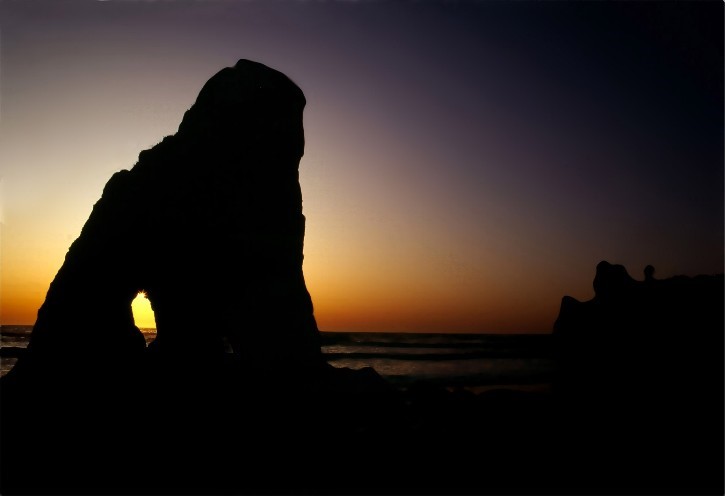
This final image is a sunset made on film a long, long time ago. That sea stack rests at the edge of the Pacific Ocean in Washington State. The jpg you see is as close of a copy to the film original, as I could produce.
Images are of course also great to stir memories.
I have written many times on this blog about my enjoyment of old television shows and movies. I have never really explained what it is that I like so much.
They show me a snapshot in time. What we were like.
By that I do not mean the clothes they wore in a 1952 TV show, or the cars they drove in a 1932 movie, although I do enjoy all of that as well.
It lets me know what the world, specifically America, was entertained by in those various old times. What made them laugh, and what made them cry? What scared them? How did they view their fellow man?
Until the 1960s, most TV and movies portrayed black people as buffoons. Often they were afraid of their own shadows. In the 1960s both on TV and in movies, that began to change.
Something’s lost and something’s gained in living everyday. That is sometimes reflected in movies and TV, and that presents to me a snapshot in time. Not a snapshot of the real world, but one of what the world was entertained by, and therefore to some degree, who and what they were.
God Bless,
Wayne
 Earth Images Blog by Wayne Nelson