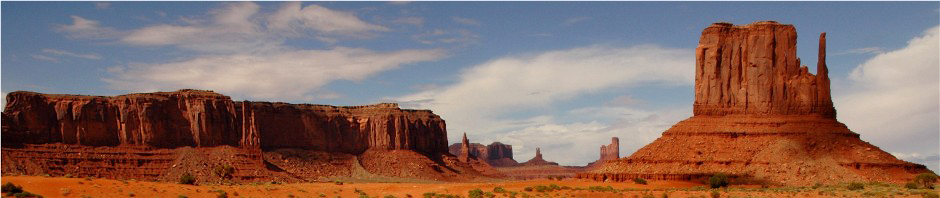
Abstracting a given subject, is an action that we might take. It is something we do.
Those of you who have been here a while, know that I have a love affair with the “abstract” image. Just what that is, will be different for each of us.
I am not sure I have ever gone out with cameras, with the intent to create abstracts. I love literal photography, and most of my abstracts happened, because while I was practicing literalism, I saw color, or shape, shadows, or texture or light, that transformed a subject into something different or new.
For my money, an abstract is in the eye of the beholder.
I have made a lot of sunrise or sunset silhouettes. Often the shape within the image, is a tree or a rock or a boat or a building. Whether they realize it or not, often viewers do not see the abstract, because they know what the shape of a tree or a rock looks like.
To me, it is an abstract if it is a play of light and shadow, or of shape or texture.
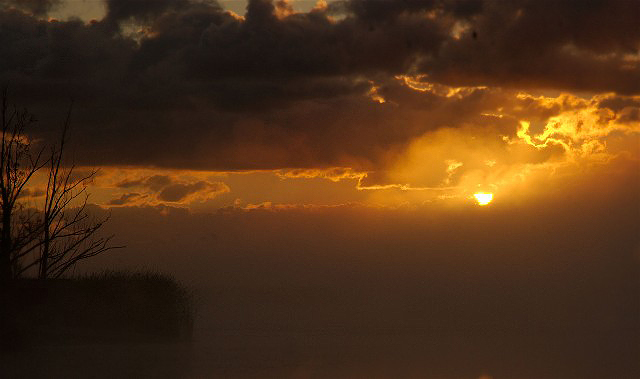
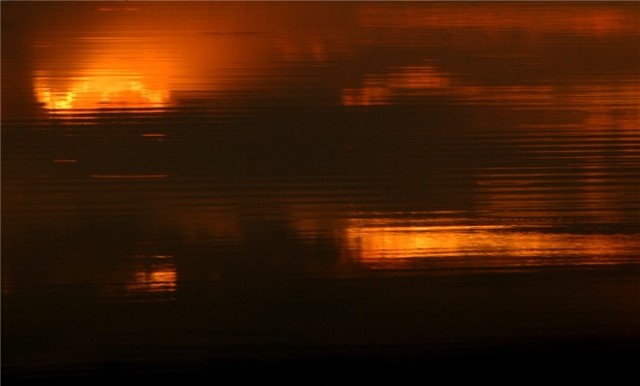
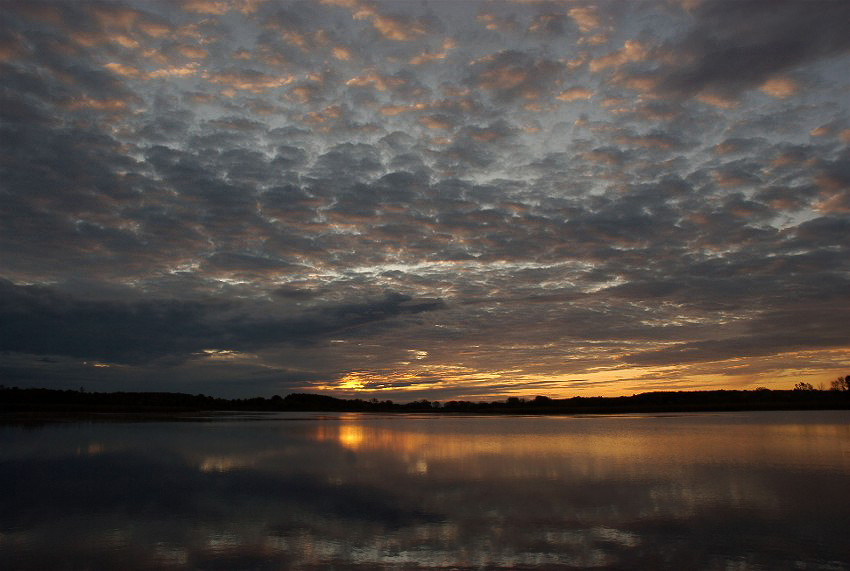
For my money, the sunrises below are abstractions, with the acceptation of the first two, which are more literal. Those two depend greatly, and in a fairly traditional way, on landforms and/or trees.

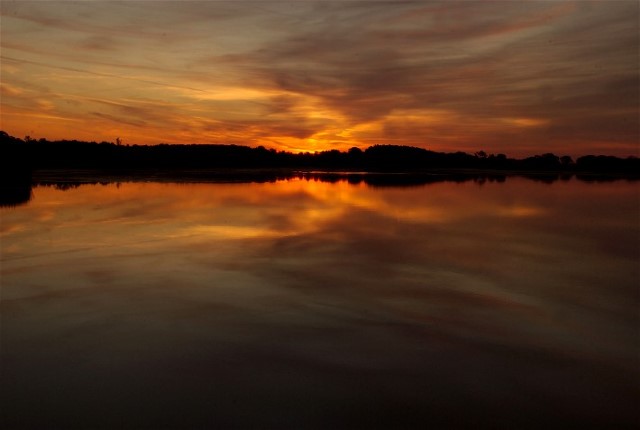
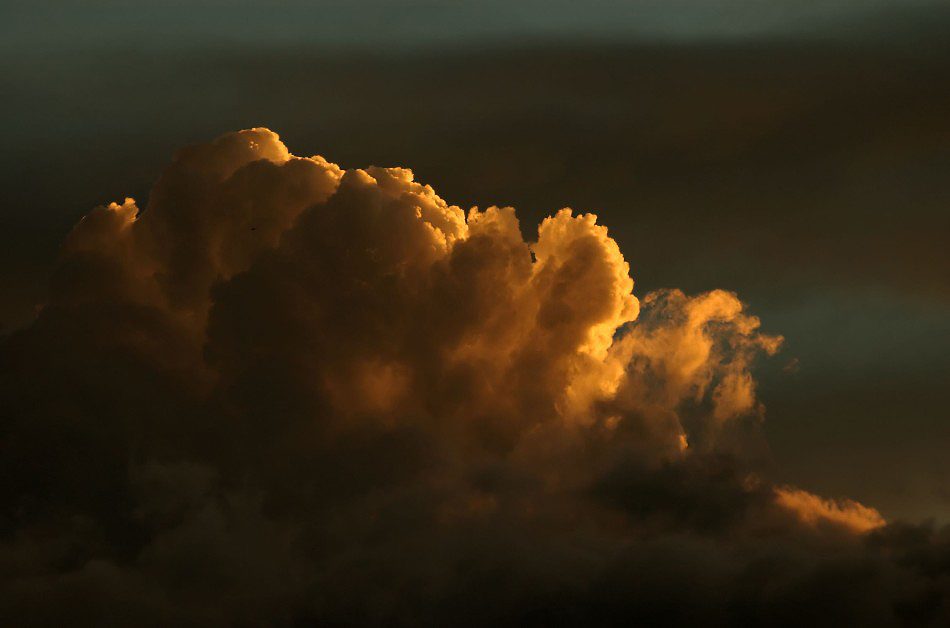
Even though there are subjects that appear below, such as birds and a small bit of land in the final Image, the photos are almost entirely about color, shape, intensity,



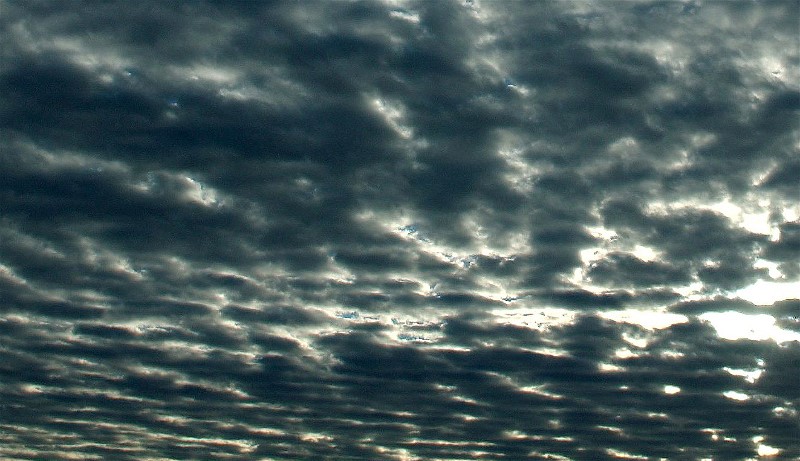
Clouds, even at midmorning on a rainy, gray sky day, can be one of nature’s most natural abstract subjects. With of course a bit of sky poking through.
I have photographed a lot of dewy spider webs in my lifetime. To many, the images below are abstracts, and to others they are quite literal.
To me they are literal in what they represent, but abstracts in their design and how they present themselves.
Of course in images like these, backgrounds matter. The less intrusive and “busy” they are, the more the image becomes powerful and distinct as to the web itself.


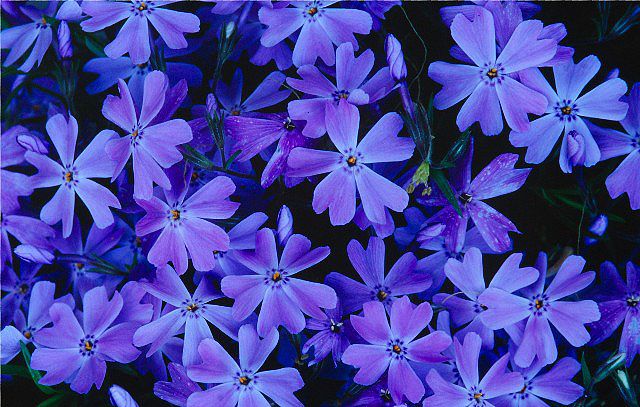
Flowers, plants and leaves, in and of themselves are literal. They can however become abstract
To me, the fall leaves below, with more of them out of focus in the background, are abstracts in the sense of they way we see them in this specific photo. Despite the fact that we can clearly see what this subject is. The rest are quite literal to me, not only in the ability to ID what they are, but in how they are presented to viewers.
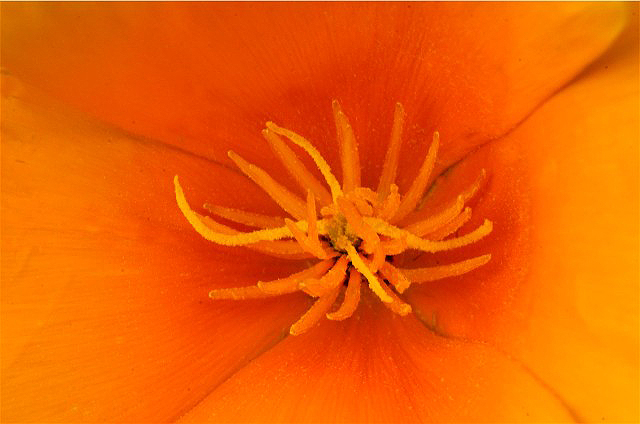
I enjoy close-ups of flowers and leaves regardless of whether I see an abstraction, or not.


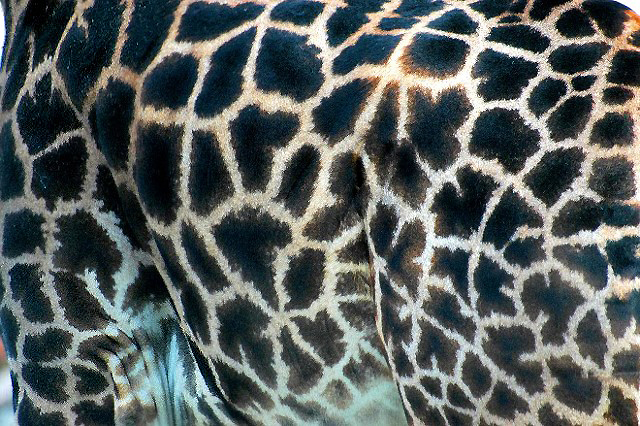
Okay, even though we can only see a section of this mammal, I can only think of in terms of being an abstract.
Color, shape, and design. A Zebra abstract if you please.
I rarely ever intentionally blurred a subject, but in this case I took multiple exposures and ever so slightly, moved the camera and tripod as to layer in and out of focus grasses over one another. A partially manmade abstract.

Exactly the way I saw it. This could only be and abstract from God.
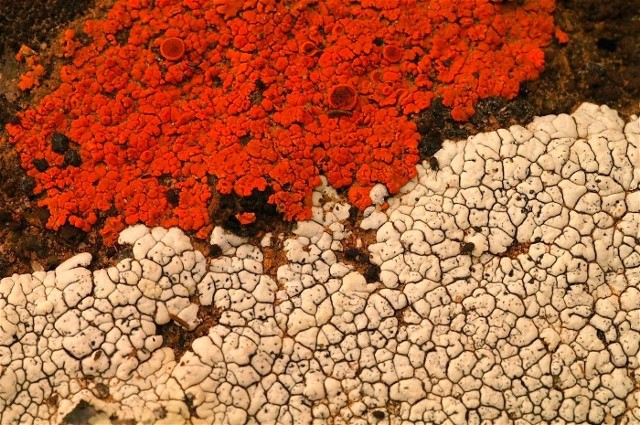
Manmade objects can be created as an abstract to reality. It is highly unlikely that the designer of this ole barn, meant it to be an abstract.
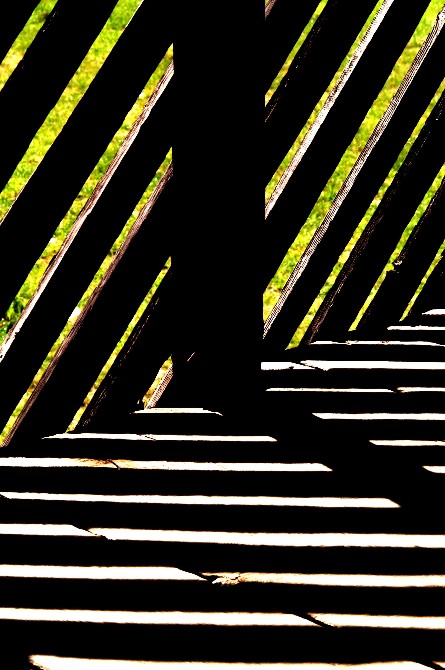
With that said, where images are concerned, it is oft times about what the photographer sees and not the builder.
Abstractions can indeed be recognizable. It is about what the photographer leaves in, and what they leave out.

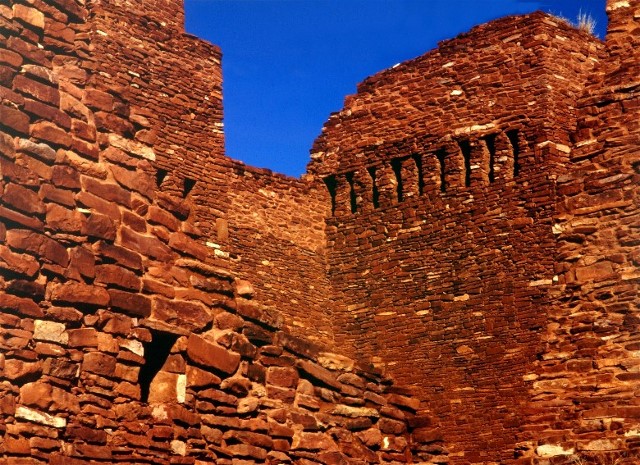
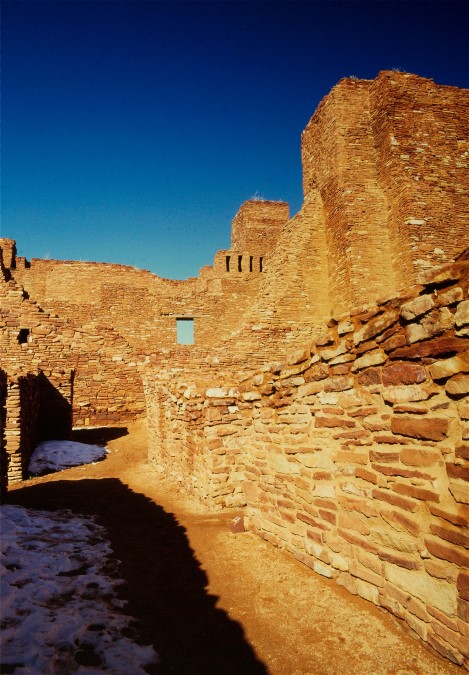
In ancient history, often even the best thought out designs from builders, had a sense of the abstract to them.
I treated locations like these two Native American ruins, as though they were living entities. You can feel the life that was once there.
Semi abstract buildings, with a semi abstract treatment from the photographer, brings to us semi abstract images.
Don’t run away from the abstract. Embrace it whether it is an abstract subject, or you see something in an abstract way.
I am not endorsing the film below, for the best of reasons, I have not seen it. I do admit I find the poster intriguing.

God Bless,
Wayne
 Earth Images Blog by Wayne Nelson