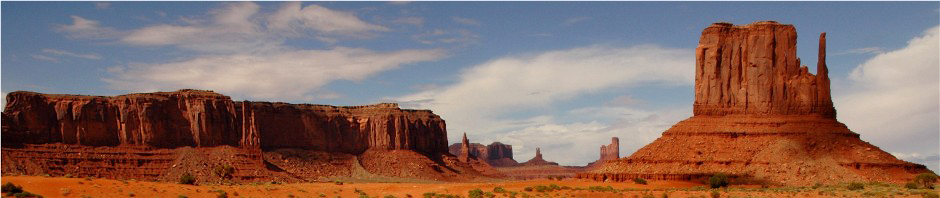
Have you ever felt like the proverbial square peg in a round hole? Or is it a round peg in a square hole?
I guess either way, it just doesn’t fit.
For much of my youth I wanted to play baseball when everybody else wanted to go to the movies. And of course, vice versa.
I often wondered if they conspired to be contrary to me, or if I was just weird. Being weird or more kindly said unique, is sort of been my thing, and to some degree a success.
You have to be different to stand out from the crowd.
I often liked cloudy days when “the world” was chasing the sun. I liked getting up early when my friends just wanted to stay in bed. Yes, I did reach a time when I switched to late nights, and it seems they switched to mornings. I was left of center in politics as a teenager when most of my close friends were from the right. As I grew and witnessed the world around me, I tilted to the right. It seemed only logical by my past, most of those I knew at that time would now be bent to the left.
As a photographer, I began mainly creating the images people wanted, and was more successful than I had thought I could be for doing that. You guessed it, as time wore on I felt the driving desire to be different from others. That meant my imagery often did not fit what publishers or others were looking for. Eventually, not always but often, those more unique ways of looking at and interpreting photographic subjects, began finding people that were looking for something unique and new ways of seeing various subjects.
So being different can have its “season” if you will.
It is sometimes worth being different, but you must ask yourself, is it real. In other words, trying to specifically be different, is not the same as being uniquely and naturally different.
Photographs can be perfectly normal, slightly unique, or truly abstract.
When it was necessary, I shot what publishers or print buyers wanted, but when ever possible, I made the images I wanted to make at the moment of conception.
Most of us like to do what we want to do. If it harms no one in any way, do it.
The true definition of what is a photographic abstract, and what is normal, or what is a semi abstract, is up to each of us.
Are images with unusually shallow depth if field abstracts, or what I call semi abstract? Sometimes we have no choice as stopping down the lens for more depth of field will cause a shutter speed so slow that wind movement will cause blur. Are wind blurred photos just another way of making an abstract?
I have always loved perfect, crisp images of flowers.
With the fallen flower petals below, they are laying flat and it was easy to capture them nice and sharp. The moss that lays below it, is not truly sharp, but does not need to be.

How about an image where the blossoms that are closest to us, are crisp and sharp, but other blossoms of the same flower species on the background, are fading into softness?

Then what about plants or flowers where only a narrow portion of the leading edge remains sharp?


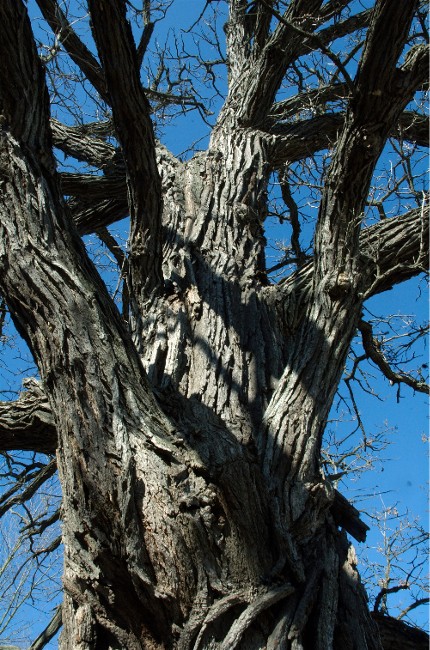
I doubt anyone would think of definable trees, whether they are covered with snow, or with foggy backgrounds or that of blue skies, are abstracts. Still, they are the opposite of most photos of trees. They are about the branches and the designs they create, not so much the tree.



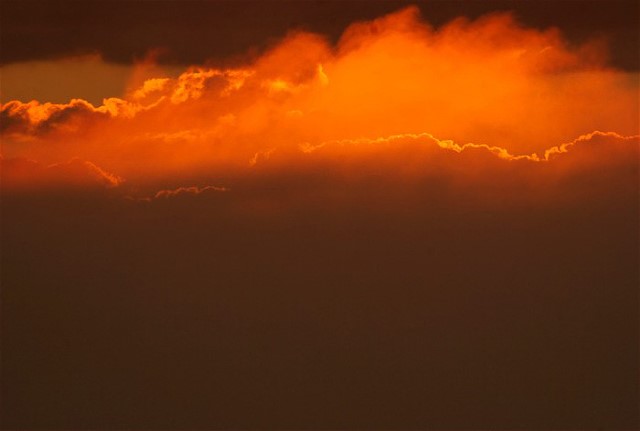
I have made a lot of red or gold sunrises and sunsets in my life. When I silhouette easy to define shapes of things, I doubt that it is looked at as an abstraction. Despite the lack of detail.
How about when the images are just a series of composed lights and darks? Maybe with some clouds or water.


Do the obvious trees here mean we lose the image’s abstraction?

Sand dunes such as those at Great Sand Dunes National Monument in Colorado, lend themselves to great semi abstracts of you will, The angles you use and the lenses you choose (to compress or stretch), along with the color of the light and what that does to the sand, are everything here.

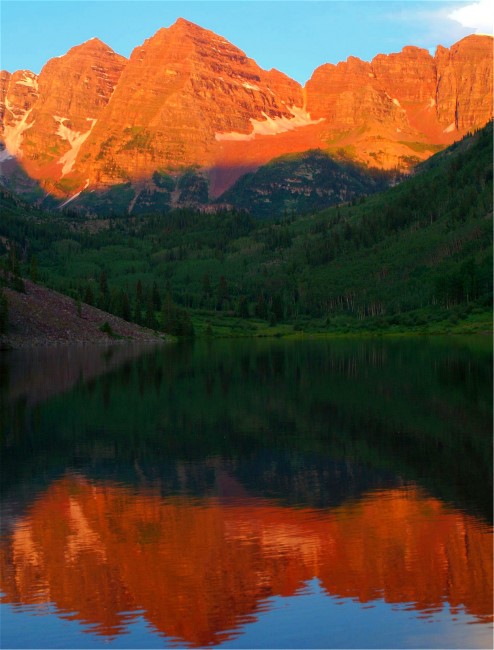
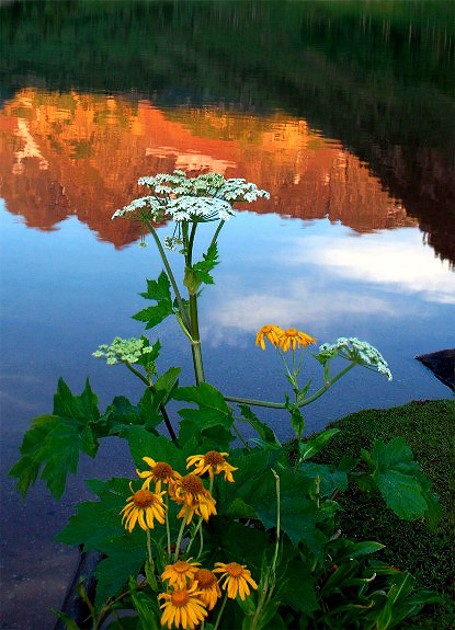
Can a beautiful spot like The Maroon Bells in Colorado become an abstract if you turn them into a mirror image, or for that matter a reflection?
Does an obviously motion blurred waterfall, become a semi abstract? There is no doubt as to what the subject is, yet we cannot see this effect with our eyes, it takes a slow shutter speed photo to convey it.

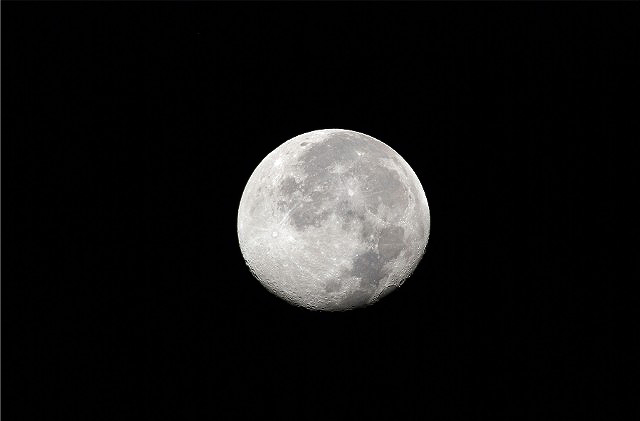
A bright full moon encircled by a pitch black nighttime sky, is for sure a literal interpretation of something obvious.
It may be that when it comes to calling an image an abstract or not, who cares? I present these questions today not because of what we call them, but because of how our likes and dislikes ebb and flow back and forth. If you make images for a purpose beyond your own files, how and what people think about all of your photos become important.
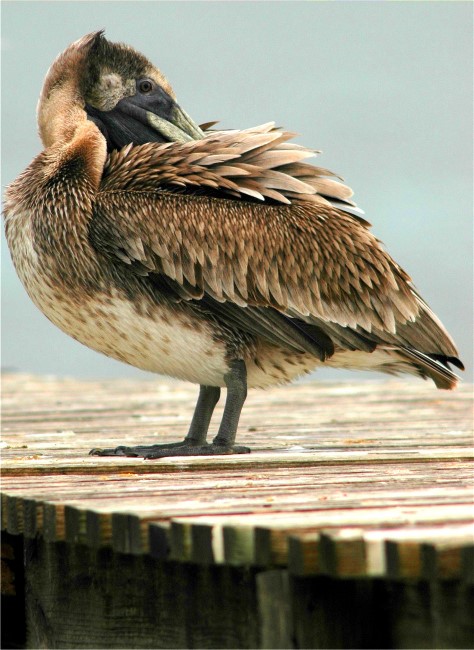
Finally, some obviously not abstract images of nature‘s critters.
A Brown Pelican and another two images with a very large White Pelican.


Ground Squirrel.

Male Kingbird

Lack of memory and lack of proper field guides means the name for this next one is unknown to me.

Of course, this is the always magnificent Snowy Owl! They pose for us and we capture those poses with joy!


Revelation 14:6-7
6
And I saw another Angel fly in the midst of Heaven, having the everlasting Gospel to preach unto them who dwell onto the earth, and to every nation and kindred and tongue, and people.
7
Saying in a loud voice, fear God give Glory to Him, for the hour of His judgment is come, and worship Him who made the Heaven, and Earth and sea and the fountains of waters.
The lines below explain what‘s above, but they are not a part of the actual Bible.
The Antichrist has claimed the power of creation. The Angel counters this by letting us know who the one and only Creator is.
May God Bless,
Wayne
 Earth Images Blog by Wayne Nelson