How an image is composed, will be the finished statement about that photo. Among other things, it contains your personal vision.
There are compositional purists who say it is wrong to compose at home, after the fact. The image must be composed on the scene. That’s silly, however, the more you learn to “read” the visual image that appears in your viewfinder, and make the photo you want while on the scene, the better or more coheasive your photos will be in the end.
Set up and compose while you are there, and then check when you get home to see if there are not better compositions, or maybe even three or four different options.
The point is the get what you want in the end, but the better you are at “seeing” while on the scene, the more your skill will be one of a photographer rather than an editor.
I made the first two images below of a barn from the inside looking out, many years ago on transparency film. I am pretty sure I never changed my abstract composition after I either scanned it or copied it into the digital format. It is that of lines (obviously) created from light and shadow. Doing both vertical and horizontal can be a plus when considering future use. I prefer the vertical comp. The location was either in Tennessee or North Carolina. Time has long passed.

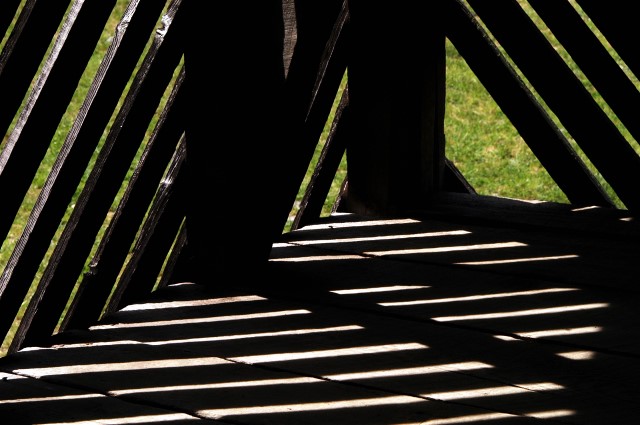
I do love creating the finished image on the scene, but I am not married to it.
There are about as many ways to look at and photographically capture a water fall as there are drops of water falling. I love whole waterfalls especially those which meander down the hillside. With that said, I also enjoy the “peace work” method of composing a waterfall where little bits of hard rock and soft water live in harmony.
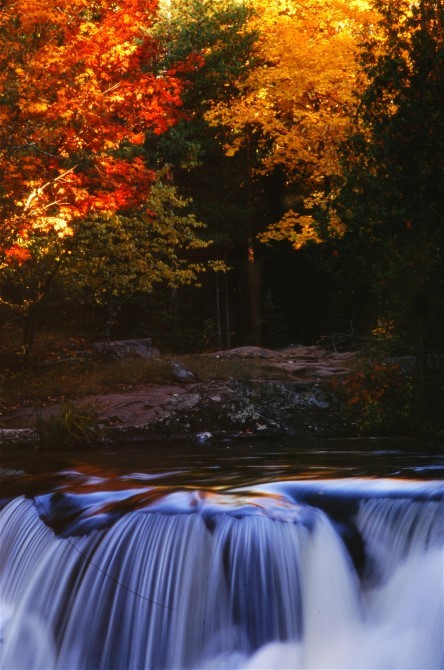
This is Morgan Falls in Wisconsin and the image was made on film and copied into the digital format. The composition was not altered.

There are a lot of sorts of waterfalls. This one was photographed in Michigan’s Upper Peninsula and it also began as a film image. I do not remember whether I altered the composition once it was changed into digital or not, but it is hard for me to belief that this was not composed in this vertical format originally. There are three sections to this image, the water flowing over the edge, the dark bank made of rock, and the autumn colors being illuminated by the sun.
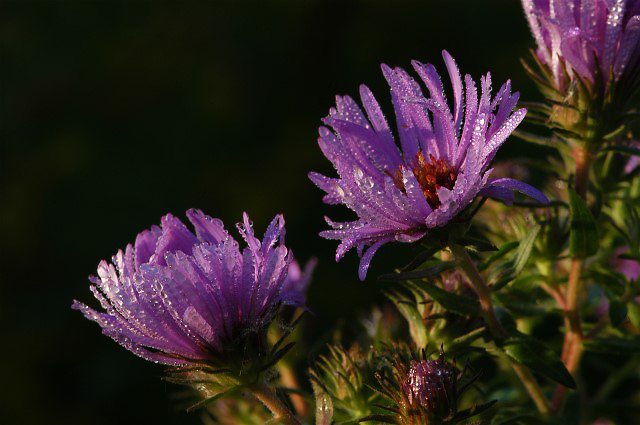
When we get up close into the world of macros, it is tempting to just fill the picture frame with the subject. Whether that be done on the scene, or at home via cropping.
I still believe there is value to at least some on the scene” compositions.
This flower image was a digital original made not long after I changed into shooting all digital. As to the composition, I believe it to have been created on the scene. I clearly was intrigued by the combination of light and shadows. A bit of morning dew also helped, and the way it is composed, tells much about my personal preferences. Especially the way the blossoms pop out from their surroundings. Your composition can help or hinder things like that from happening.
The next three photos of autumn leaves with frost and/or snow, are examples of the mating of that snow or frost, and the leaves.
From a leaf graced with a small scattering of snow/frost, to a leaf almost entirely on top of the snow, to a leaf on top of, but also covered with snow, there are three similar but different comps. I am guessing that the final of the three was cropped at home and the other two were not. I do not know what this says about me, but I am pleased with the first two, but care not for the final one.


More on macros. They are often the least composed, be it on the scene or while editing at home, of the main disciplines of photography.
Win lose or draw as far as whether you like the images below or not, I can tell you they were as meticulously composed as any landscape I have ever made. Simplicity, especially with the first and third photos, made for a natural elegance.
I believe that they were all composed at the scene. At least the basic composition that you see. Were any of them cropped closer for effect? I cannot swear one way or the other.
Simplicity, can be complicated.


Landscapes are yet another animal so to speak.
This grand landscape of northeastern Utah at sunset made from a mountain, was a pretty easy composition at the scene.
To the best of my ability, I composed the scene in my mind, not literally, but as patches of light and color. Sand, rock and water. I wanted future viewers to have wished they had been there too, but this scene was about the elements that make the picture, and of course that light.

I have never before seen anybody compose this land form this way. You might say, of course not, who would just take a large sandstone rock, and almost fill the picture frame? Just foreground rock and sky. I can answer that, I would. Just doing what everybody else does, means you are or no better or no worse than anybody else. I took whatever visions I saw, and applied them , win lose or draw.

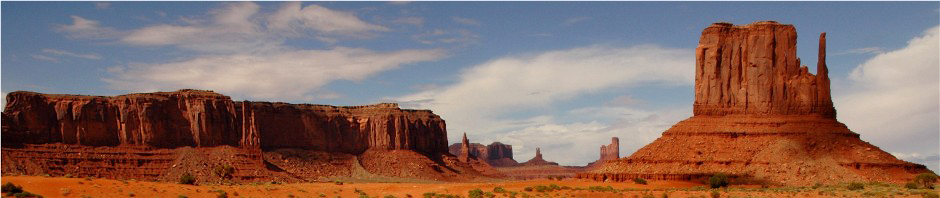
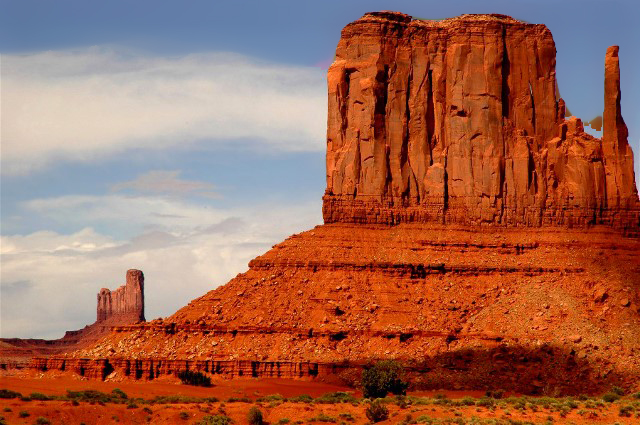
This was another “on the scene” composition. These land forms in Monument Valley, Utah, are much photographed but I can honestly say that I have never seen a comp just like this one. This is a semi telephoto, therefore a semi compressed view (vision?) of these iconic forms.
When you can ‘see a composition while on location, go for it.
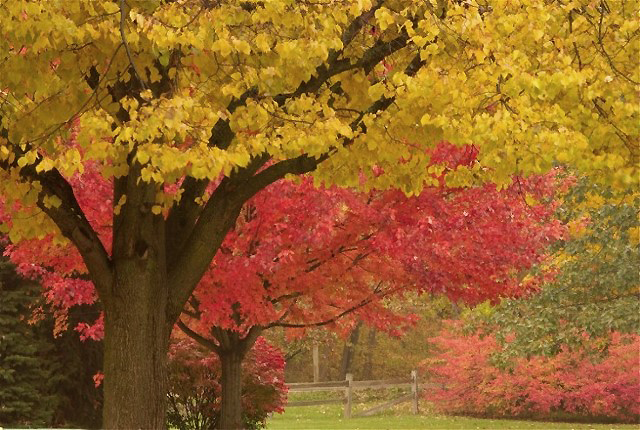
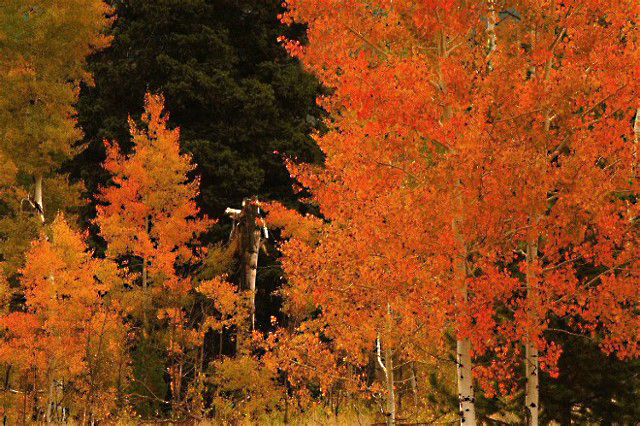
Imagery of trees, including fall trees, is a more delicate compositional process than rock forms in the high desert. Trees are more delicate than rocks. Right!
My memories, as much as I have of them, would indicate that with the first image, made in a county park in Wisconsin, the composition was narrowed down a wee bit while at home in front of the computer. I believe that the second is shown as shot.
Either way, colors, open spaces, dark spaces and so forth, were all purposefully composed. You would likely do it differently, and that is good.
Sunrise, sunset silhouette shots, deserve the tender care of thoughtful compositions as well.
Sunrise over a river, sunset over a western rock formation, and sunrise with two Lake Michigan fisherman, need just as much consideration as anything else.
Simplify when you can, or at least visually organize when possible.
My memory of these shots is a bit shaky, but if I was to guess, I would say that the fisherman image, has been cropped at home after the fact. I imagine that I composed away any distractions that moved our eyes away from them.
Often simplicity needs careful composition or re-composition even more than images with a lot going on.


Compositions where animals are a part of, or are entirely the subject, can be difficult. They move around and do not pose where we want them to. One long used tactic, and every wildlife photographer including me has done this, is to shoot very loose with lots of space around them, and them compose at home. I enjoyed composing in the field, but likely at least 25% of my wildlife images were partially or entirely composed at home.
What can you do with this? I do not know. Of course you shoot and then wait for a opportinity with the face showing, but sometimes it never comes. What do I do then? I make images of a faceless moose. This is in fact a behavioral shot, be it a so, so one.

Then sometimes your wildlife subject poses perfectly. Leave some space in the direction your subject is looking, and accept the clean and simple composition that you have been afforded. The warmish light is an addition of the early hour.
The bird is a White Egret.

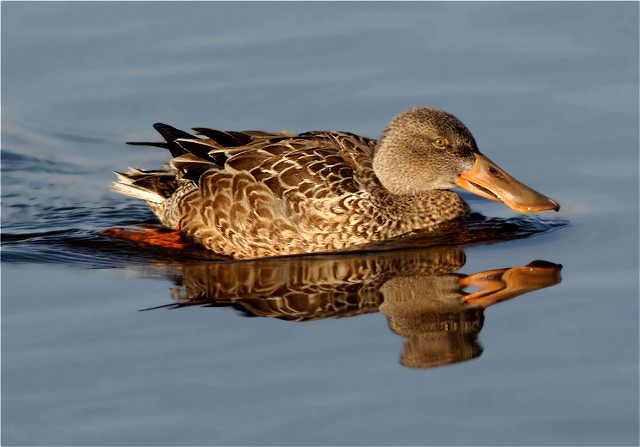
I remember not if I cropped this female Northern Shoveler picture. I know that whether at home or in the field, I wanted that reflection and the bit of a water trail behind her to be a part of my photo. I know that because I know me and what I like.
I am guessing, there is a small alteration to my comp that was made at home. Maybe I simply filled the picture frame by cropping closer to the bird.
Do not think for a moment, that this action shot of White Pelicans taking off, is not a purposeful composition. Probably composed on the scene with possibly an adjustment at home. Notice that there is a wee bit more space in the direction they are going than behind them. That could be the one thing I did at home, but I am happy to say that for the most part I made it this way at the time I clicked the shutter.

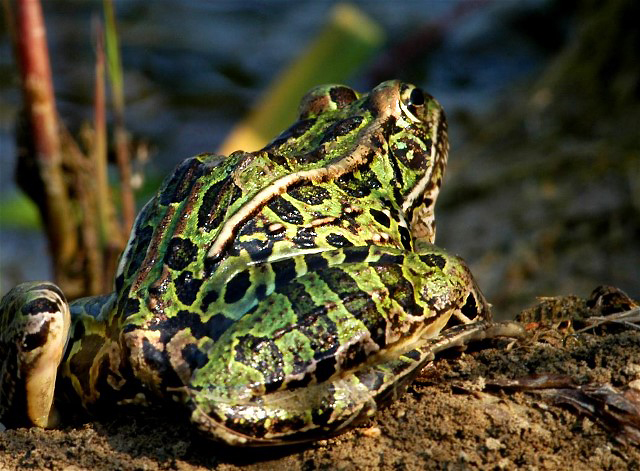
Frogs make nice close-up shots, but what do you do when they insist on looking away? That’s easy, you make the picture anyway.
As much as I love this frog and the fact that I was able to get a colorful, detail filled close shot, this image misses the mark. Whether you are seeing it as shot, or cropped (composed), it could be so much better.
Even a nice side profile would be very cool and above all, a straight in your face portrait. Maybe even all eyes.
Still, I guess the world needs lots of images from all angles.
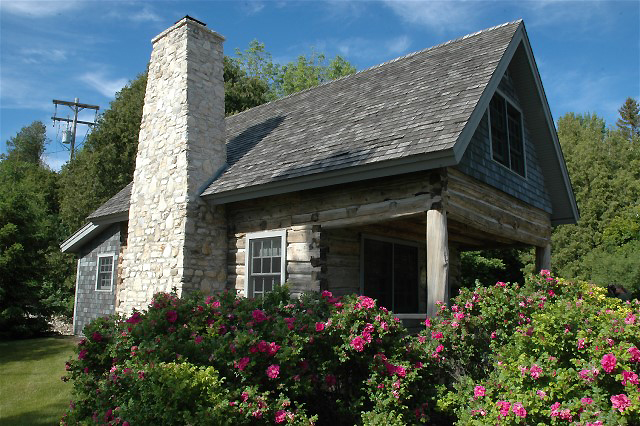
Back to old architecture again.
This is an old Norwegian settlers cabin in Door County, Wisconsin.
If memory serves, I and my partner were teaching a photo workshop, and we were using the opportunity to explain composition, and variety. Whole cabin shots and partial cabin shots. We were in fact, teaching today’s blog subject, composition.

So I’ve done a lot of both, composing in the field and at home. Which do I prefer? Well, the convenience of composing, or recomposing if you will, at home, is nice. Time to think and to redo again and again if necessary.
With that said, I would not trade 30 seconds of time in the field, especially in nature, for hours of time in front of a computer.
I lived to be out there. When I was out there, I was truly alive. There is no substitute for being there and bringing home a finished work. Of course when that work is incomplete if you will, then be ready and willing to bring it to the finish line in the digital darkroom that is your computer.
Composers are those who lead symphony orchestras, those who write music, or those who create paintings.
You too can be a composer. Camera in hand. Time in the field I would suggest is better in nature than an empty auditorium.
May God truly bless,
Wayne
 Earth Images Blog by Wayne Nelson