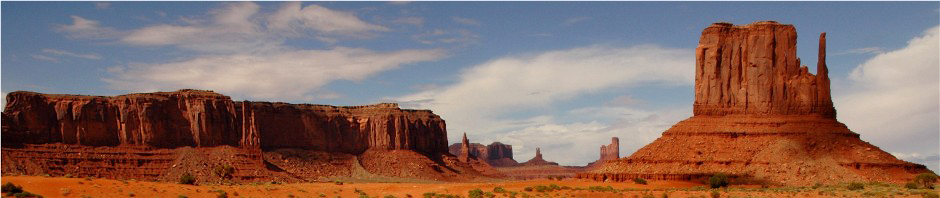
In life and in photography we often think of shadows as a negative thing. I mean who wants to confront anyone who shuns the rays of the sun and prefers to lurk in the shadows. In photography they present us with difficult exposures that create high contrast. Of course photography has much to do with details and when we’re talking about the shadows, we only have our imagination to guide us. Just the same……
Without shadows, in photography we would struggle to show texture. It is sidelight that creates those tiny shadows that delineate those parts of the image from the sunny parts. Those differences create the illusion of texture. Texture is one way to create three-dimensional effects in a two-dimensional picture.
Below we have a South Dakota mudflat, the frosty end of a cut tree stump, a gull feather in the morning light, and a Barn Swallow.
The first three are self-explanatory. The swallow photo doesn’t seem to have shadows but it actually has light skimming it’s feathers and that creates tiny shadows. This adds both texture and detail. In fact that detail exists because of the texture, which exists because of the angle of light.

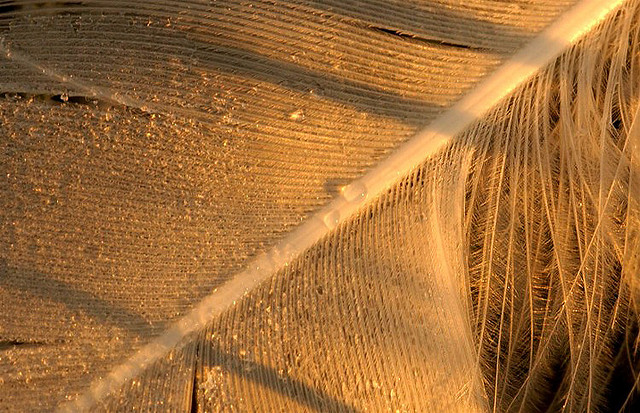

How many shadows are too many? While this is not the most successful image that I made at Arches N.P. on that photo trip way back in the 1990s, it is however the most successful image I ever made of a single arch. I loved the light and decided to compose the arch with the shadows. It took until the 2000s for an editor to have the courage to publish a photo of a landform with shadows crossing everywhere.
I have shown a lot of images of White Sands New Mexico over the years and 75% of those images have shadows in them. There is a reason why I photograph White Sands in the winter. The low angled light of winter creates shadows both great and small. At White Sands those shadows make for accentuated patterns in the sand, and when used right, very dramatic images. Because of shadows, the patterns in the top photo are graphically powerful, and the deep shadow in the second photo makes for a dramatic abstract. What lurks in those shadows? The second photo is a crop from a horizontal. There was too much shadow in my original composition.

Silhouettes are shadows. Silhouettes are not all created at sunrise/sunset. I took the backlighting in this scene of the Arizona desert and created my exposure while pointing the camera straight into the scene. That left the sky as mid-toned and the cactus as a series of shadows.
I prefer (and need) front light or at least top light or minor side lighting to make the wildlife pictures I want. That is understandable. When photographing animals in sunlight, I try to place their shadow either directly in back of my subject, or right under them as was the case with this Ruddy Turnstone. My exposure is an easy aperture priority reading with the camera pointed straight at the bird. The shadow is probably irrelevant in this photo. 
One way to work with shadows in a wildlife scene, is to wait until your subject turns into the sun. This picture of a Pied-billed Grebe is successful despite extreme sidelight because he is turned so that his face is well-lit, and because that highly reflective water gives you a double look at the subject while filling the shadow side of the bird with soft light.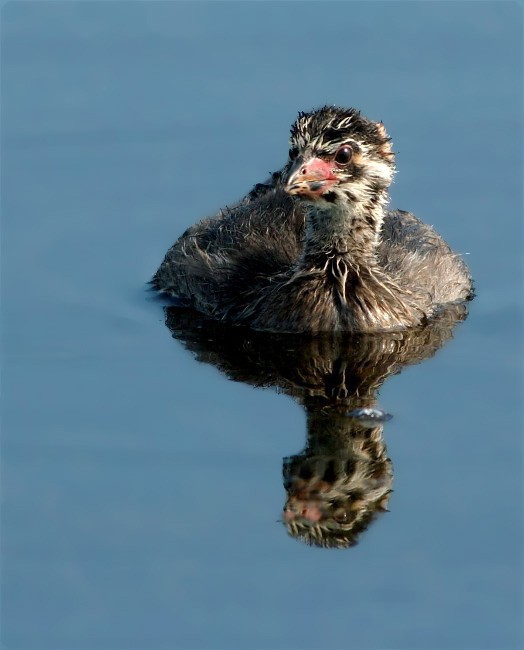
This post is about why shadows can be good. Even with wildlife shadows can indeed be good. This swan is pictured in a mottled mix of sun and shadows due to the sun peaking through the clouds. That fact makes this image much better than if it were all in the sun. The shadows are not deep, and the bird is white. That light color of the bird along with those partial shadows means that there will still be plenty of detail even in the shadows. I think this sleek and elegant bird combined with that mottled light makes for an artful statement about both the bird and the light.
Certainly my favorite time to play in the shadows is when I am working with the land. Today I chose pictures where the shadows are fairly extreme. If your going to be dramatic….be dramatic.
This first image from Monument Valley is beginning to reach the point of deep shadows. I think it is those deep shadows that transforms this fascinating rock into the natural art that it is meant to be. The shape and natural design of this rock is exposed, exactly because of the parts that are not exposed. Thanks to our friend the shadow.
This shot of a Colorado canyon works far better late in the day with those shadows falling down the hillside. I know that because I was at this location when everything was bathed in the naked light of day. This image was (to me) never about the canyon, it was about the rocks and how they disappeared down into the canyon. Thanks to the shadows it worked.
With this next shot we are beginning to get extreme with our shadows. This black and white conversion was made in the Badlands. I like this picture in both color and B&W, but I like it mainly because of the mystery provided by those deep shadows.
Every day must end and the day at Monument Valley was no different. The very last rays of light were skimming the surface and creating a colorful adios to the day. There were rock forms to my left and that meant that the sun had to bend it’s way around each and every one of them. Because of that, the low angled light made it through in some places and failed in others. I live for moments like this.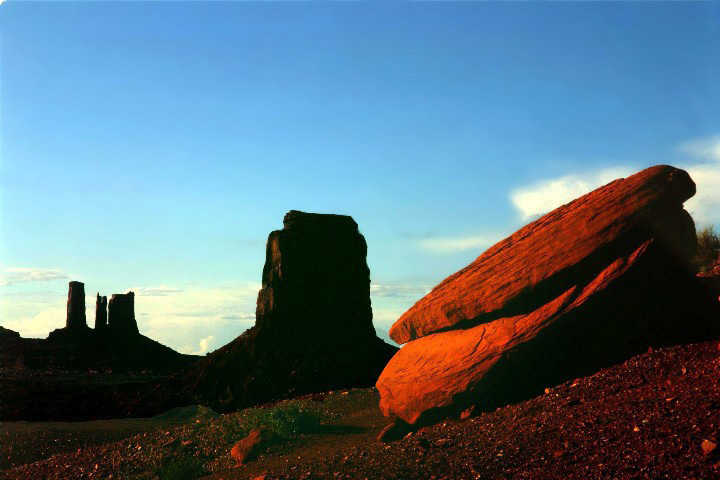
Having shadows in an image, especially a landscape, means composing your picture for the shadows. The final Monument Valley image was carefully composed. The bright rock is close to us. The rock with just a sliver of light takes us into the valley, and the distant formations are silhouettes. A journey from light to darkness. If the light conditions were different, I might have reversed that trip and given the viewer the more uplifting journey from darkness into the light.
Notice that the black & white image from the Badlands does not divide light and dark evenly. It is purposely not asymmetrical. It is mostly sunlight and it is “that other side” of the rock, that remains shrouded in mystery.
Don’t be afraid to live in the shadows.
I invite each of you to explore the photography of Mark LaRowe. Mark is a Bozeman, Montana landscape artist who is originally from central Wisconsin. Viewing his art should be more than worth a the trip through cyberspace.
Because a lot of people who visit this blog, whether it be occasionally or all of the time, are on Facebook and linked to me, I should address something that occurred yesterday.
In addition to the nice and normal people who I have become friends with through various internet related activity, I usually manage to attract my share of sociopaths. In an attempt to make a very long story short, a bazaar character befriended me some time back, and exhibited rather…well…bazaar behavior and I had to severe all ties. Yesterday on the wonderful photo group called Homelands, I clicked a few likes, made a few complimentary comments and posted a photo. This individual wrote a series of comments on that photo and several of my photos in that group. Childish stuff like calling me an ass, using the f-bomb, etc. The group owner removed him for good, and apologized to me. I apologized to her because the comments were meant for me, and seen by many.
In all of the great web related places that I have spent my time since 1997, and all of the nice friends I have made, I always manage to connect to my share of sociopaths.
Since I reactivated my Facebook account, I have been saying no to new friend requests, and have started trimming down my current list of friends. In all cases none have been people connected to my existing Facebook friends. Well yesterday after the first fiasco, I received a friend request. A very nice normal looking young woman who had 4 friends in common with me. I did not investigate who they were. Minutes after I approved the friend request I received a personal message from her asking for my cell# so she could send me photos of herself. I immediately disconnected from her although I do admit I am curious as what type of scam (or extortion) was being offered to me.
I get closer to discontinuing my Facebook account every day.
Have a great day, Wayne
 Earth Images Blog by Wayne Nelson