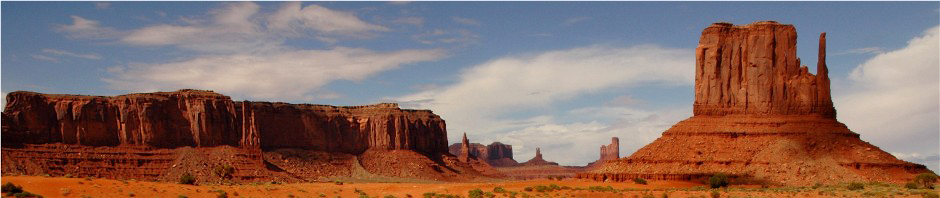
I love creating landscapes that combine different colors, textures and shapes in a single image. A great example of this are images from The Badlands of South Dakota. Just the same, the image (s) that have occupied the corridors my mind for so many years are slightly different. I love finding different habitats or zones that can be compressed into one picture. Different parts of an image….that just don’t look like they belong together.
Today’s first image is a unique combination of natural habitats. Moving water, pure sand, and high mountains. The water is snow melt from those same mountains. This is Great Sand Dunes in Colorado. This image was made in 1986, and what you don’t see, is that there is a prairie (4th zone) in front of the water. Like most images that attempt to compress things one in front of the other, a medium telephoto was used.
If you look to the top (header) of this blog, you will see a panorama of that same Great Sand Dunes that was made 21 years later in 2007. This time the water is eliminated from the scene. You do see a slice of that high elevation prairie.
The next image was made in southwestern Colorado in 2005. We once again have a telephoto image that sandwiches different textures, colors and habitats. This was made along a 2 lane highway and we see the (planted?) green grass just making it into the picture frame, along with the desert red rock, and the high snow-capped mountains. What you don’t see is the beautiful Colorado River that is in back of me
The old saying that “less is more“, can be at its most evident with silhouettes. A picture of a tree at the edge of a hill in central Wisconsin, and a sandstone rock form in a remote desert in southern Utah are about as uncomplicated as you can get. Simplicity. They are very similar shots with a very different story to tell.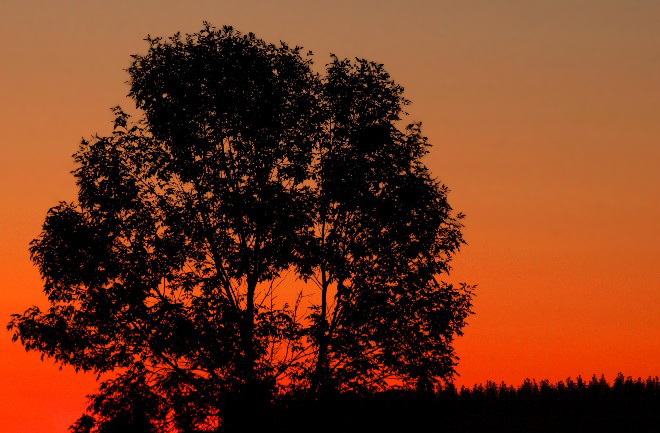

I was forced to shoot this image of a male Northern Shoveler at f 5.6 with my 500mm lens. I knew this picture with its sidelight would develop noise in the shadows with the camera that I was using, so low noise ISO 100 was my choice. The shallow depth of field (F stop) that accompanied that ISO meant my focus had to be on the face of the duck. I couldn’t miss by even an inch. As it is, the shallow depth of field made for a duck that slowly lost its focus as you move towards its tail feathers. With many of today’s cameras f 18 would have been possible in this shot. I am starting to see photography with lots of depth of field but bothersome backgrounds. Hopefully those photographers will learn that there will always be a time to use shallow DOF and selective focus.
This American Coot was photographed a few feet from the duck shown in the photo above. What do you do with a dark bird under those contrasty light conditions? Wait until the bird turns into the light. That is why I share credit for my wildlife photography with the subject. There is a solution for every problem, and problem solving is a part of photography. I used the same f 5.6 aperture with the coot, but the bird it is almost parallel to the camera, therefore requiring less depth of field. It is also slightly farther away. That same f stop will cover more of the bird at that distance.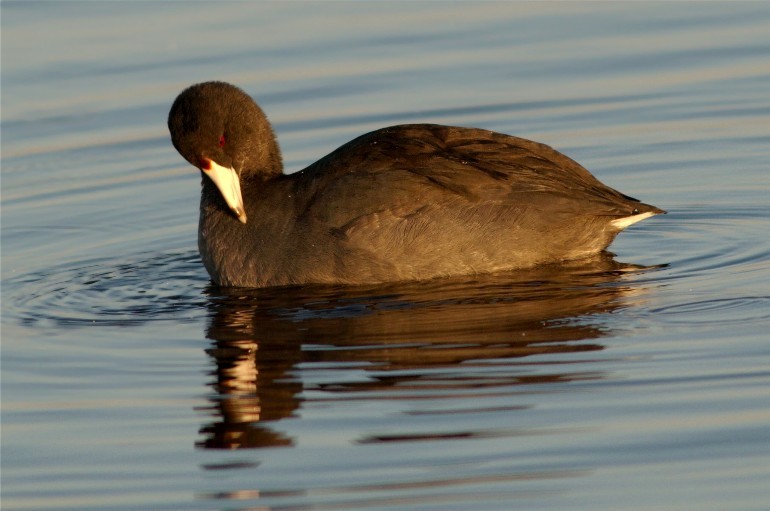
Compositional rules are incredible learning tools. Just the same, if you never break those rules your imagery will ultimately become stale. This is an old film image and I don’t recall much of the details. My opinions come from viewing the pictures in my files, before choosing this one to copy. I made several compositions. Symmetrical compositions with rock in the middle of the water, actually worked quite well. Symmetry created by half water and half rocks looked silly. In the end I preferred this somewhat odd comp that split water and rock, 2/3rds to 1/3rd. I settled on this because I liked the way the water angled across the image. If that water would have dropped in a straight vertical, the image would have become static. This picture (I believe) gives equal value to the soft water, and the hard rock, by giving more image space to the softer subject.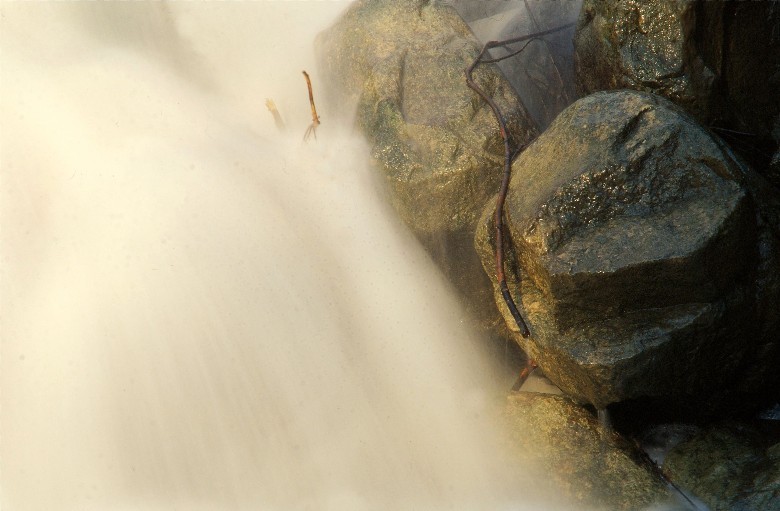
When we first see a photograph we all tend to look at it superficially. Every picture should have something bigger to say, than just what’s on the surface.
Like a lot of waterfall pictures, the image above is a study of contrasts and conflicts. The unforgiving rock and the fluid and giving water. In the end “the meek shall inherit the earth”. This never-ending flow of water will wear and shape the rock into an entirely new form. Maybe a another rock will fall into the path of the water, and the conflict will begin again.
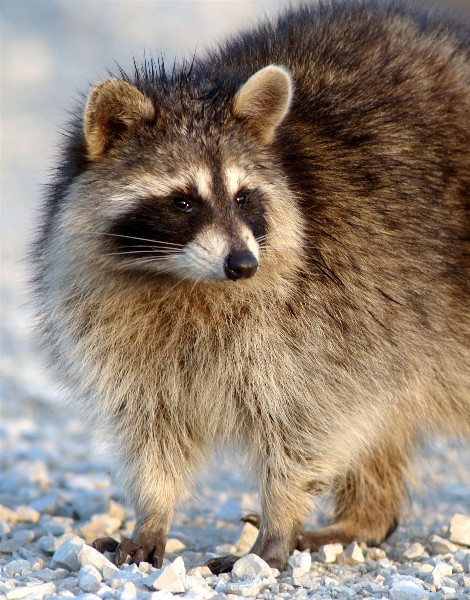
For me there is nothing more fun than photographing wild mammals. Sometimes North America’s most common mid-sized nocturnal mammals can be the most difficult. I call this trio of animals The Big Three.
I have photographed skunks on three occasions and I have never made an acceptable picture. All were made just before sunrise. High ISOs, slow shutter speeds and no VR/IS helped create failure. Today’s cameras would have given me a shot at success with their high ISO smoothing and therefore higher shutter speeds, along with image stabilization. I have managed a few good images of an Opossum when I found it enjoying some winter berries in mid-morning. My best success so far has come with Raccoons. I even have a few images of the western version called the Coatimundi. Raccoons are out a bit more in daylight than the others and can become habituated to humans.
The shots below were made at dusk, on Federal Dike Rd. in Horicon Marsh NWR. Horicon is legendary for birds but this is an excellent mammal refuge as well. I have photographed both River Otters and Beavers on this road and Muskrat (of course), deer and coyotes in other parts of the refuge. The coyote shots were failures for the same reasons as my skunk pictures.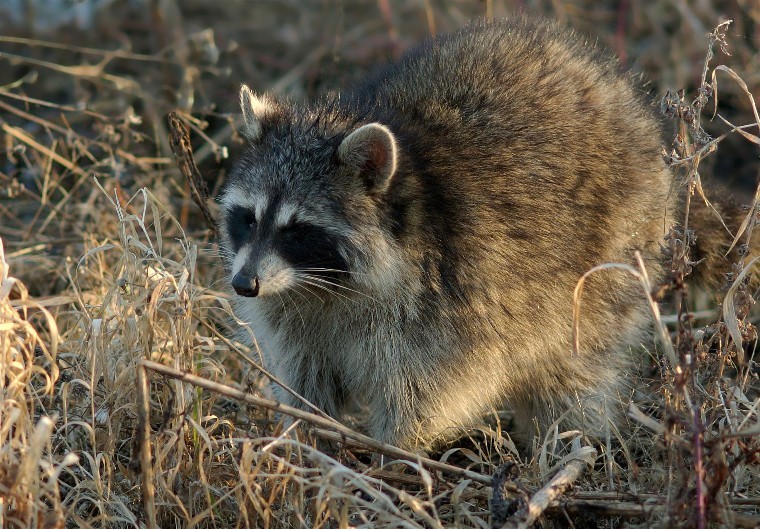

For today’s featured photographer we have David Lloyd Fine Art Wildlife Photography. David hails from New Zealand and currently resides in London. Most of his imagery is created in Africa.
I always appreciate the fact that you have stopped for a while at Earth Images. I hope you have found something of value and please have a great day, Wayne
 Earth Images Blog by Wayne Nelson