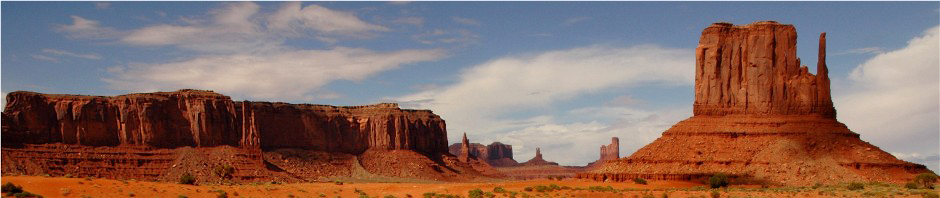
All of the images in today’s post, except the waterfall, received some strong compositional thought and effort on my part. That includes the fairly static comps of the two moths. Ironically my favorite comp is the waterfall, proving that there are times when serendipitous compositions are a good thing.
The first two images below were made two years and many miles apart.
I think that one of the better opposing visual statements in photography is the combination of soft and dreamy with crisp and sharp. I have always searched for those circumstances. My only real decisions when I made the photo below were where do I put the rock, and how much to I slow the water down. The water that is in the portion of the picture frame that contains the rock is clearly cascading downhill. I felt putting the rock in a position where the water is “falling around” it and softly traveling on its journey worked the best. The rock is the pillar of strength in this photo and it proves that by remaining steadfast on the side of the hill. You will also note that the rock sits directly in one of the power points of this picture.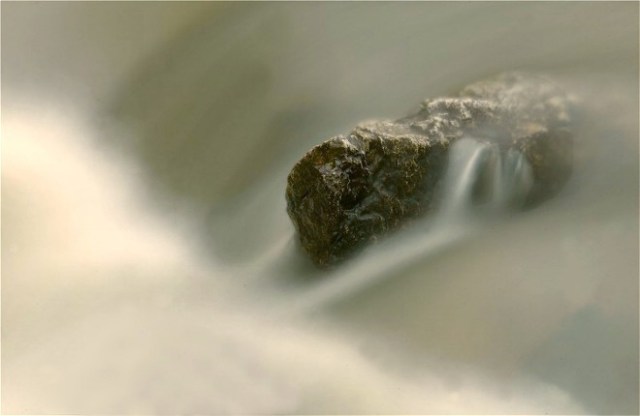
Images that are all soft and dreamy, work well when you have a clear concept of the subject or an active journey with direction. This image is clearly water flowing to our left. Those facts are why this image (to me) is not an abstract, despite the interpretive style.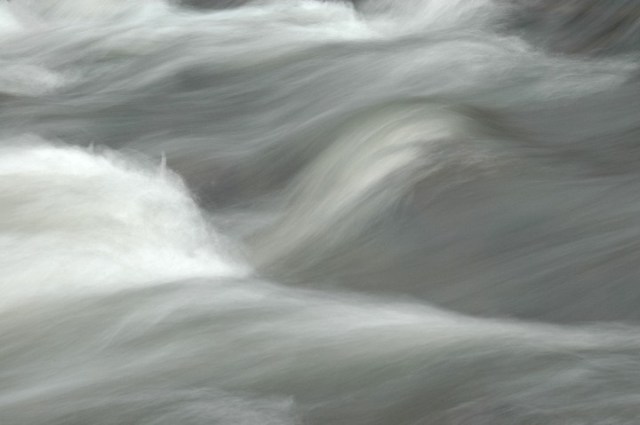
I think we all get a little too caught up in making those “medium” close-ups of wildlife. I have said often that my favorite wildlife images are either very tight shots that transports the viewer directly into the personality of your subject, or distant shots that keep the animal in the context of its environment. It gives you and your subject room to breath. In this shot I placed the animal to the far right side of the frame. This was very intentional. A bulls-eyed subject would be almost uncomfortable to view with so much negative space. I felt even my normal “leave some room in the direction the bird is looking” comp would leave way too much free space directly in back of the bird. A tree or something in back of the bird would have solved that problem.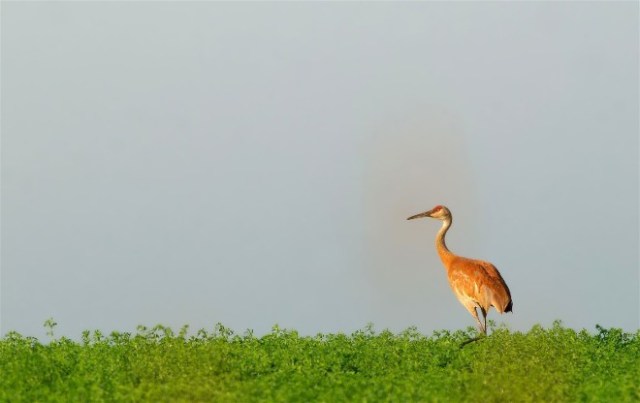
Then are those tight pictures. Super close-ups like this photo of a Painted Turtle still need to be composed. I used composition 101 with this one. The turtle is looking to our right. I left room for the eyes to peer to our right. Composition 101.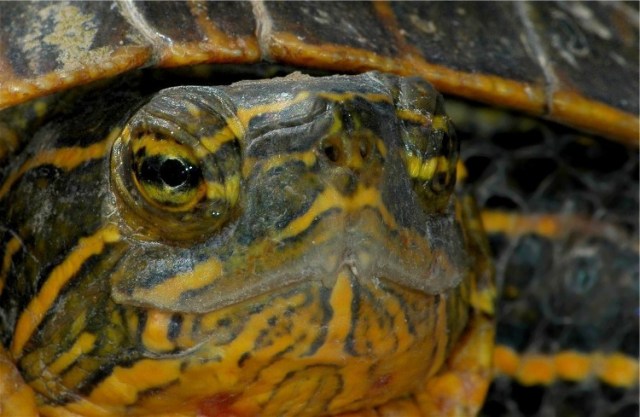
With both of the images above I had plenty of opportunity to compose my picture the way I wanted to.
You often don’t have a lot of compositional choices when you are working with an animal that is free and wild. We do however, have the ability to crop our digital files. These two Sharp-tailed Grouse were bowing to each other during their courtship dance and I was pleased to make the photo. I was working with my 500 mm lens, on a tripod, while shooting from the only port in my blind. Not a lot of compositional opportunity at the time, but I saw a better picture when I got home. This shot is a natural for a panoramic crop. 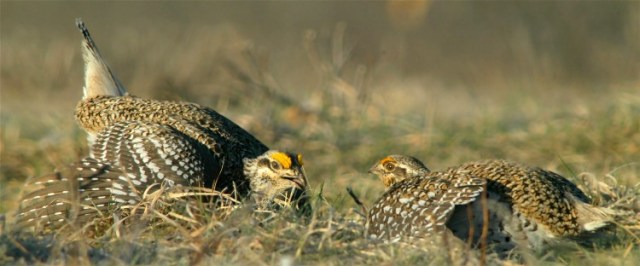
While preparing to photograph Hummingbirds in a Wisconsin state park, I spotted this beautiful Luna Moth on the side of an administration building. There wasn’t much I was going to do with this subject. This is quite high on the building and there was no way to make a head on shot. I opted to turn my camera just a little bit, so there it would be a little more active and engaging image. Of course I made sure that the photo was properly exposed and sharp.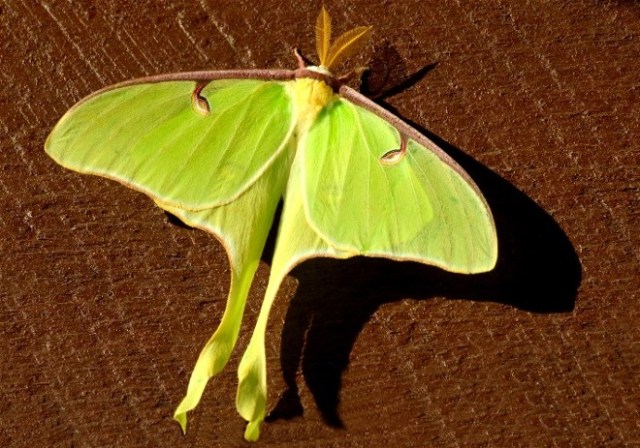
Just as I was taking down my tripod I noticed an also very pretty Tiger Moth off to my right. The good news was it was on the stone portion of the building giving me a different background. The bad news was that once again there was little I could do to make interesting shots. I once again tipped the camera but I also made a point of making a few “almost” symmetrical type images as well. Not very engaging but once again sharp and well exposed. I did take the moth away from dead center. My reason for making some almost straight images? If I ever showed both of these subjects together I did not want identical compositions. That’s right I have been displaying these two moths together ever since I made the photos. When possible think ahead to future use.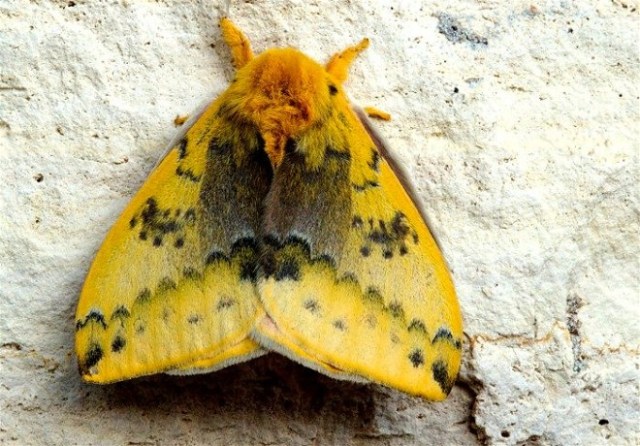
Sometimes when you compose a lot of pictures in many different ways, all of one subject, you look for new ways to see that subject. Such was the case with Morgan Falls. I began looking for tighter compositions while still making sure the image said Morgan Falls. The dark glossy rock of Morgan Falls, with water that spreads at the base says much about this place. I made the first image of the falls from the other side of the river but I kept moving to the right (over the river rocks) and cutting to a thinner slice of water. I did so not with forethought, but instinctively. I know I am a fan of careful composition but our instincts need to be sharpened as well. Careful contemplation and basic instincts are both a part of the arsenal of a photographer. Very few people who shoot here make this shot. Most try to get the entire 80 foot waterfall in one picture. 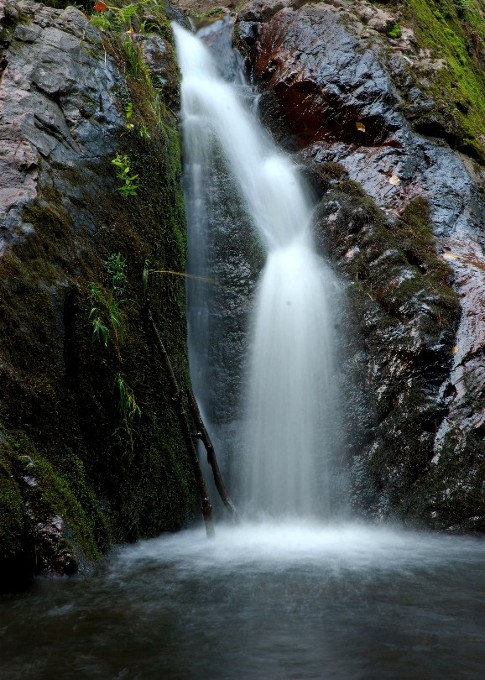

One of the biggest questions for each of us to answer in sunrise/sunset silhouettes, is how much black space to you show. I admit that I love shadows, but I do think I am right at the edge of “darkness” with this picture. A little more black would spoil the image. Of course when I made this picture I changed comps several times. Below is one result.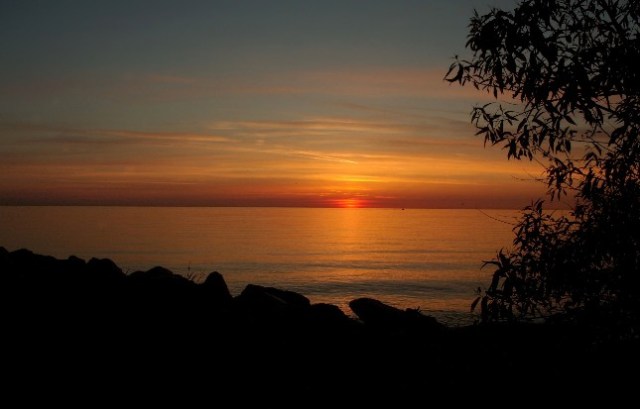
I think one of the greatest joys of photography is deciding on a composition. Through my years of writing about photography and teaching workshops my number one question has evolved from exposure, to sharpness, and on to composition. Remember that I began with film. That means that you could not fix exposure in most cases or sharpness at all. Those things can be fixed (sort of) in digital photography and in many cases so can composition. I do think most photographers realize that you cannot truly fix a really bad comp with a crop. There is also a great benefit to using the whole original image instead of cropping everything and reducing detail. This is certainly true with landscapes where you have the time to consider many compositions. In the end how we compose a picture is our decision. It puts our personal stamp on every image we make.
One of the few legends of nature photography that I actually knew was Galen Rowell. He was a true adventurer, a great photographer, and a profound thinker. As a writer he was eloquent and meaningful. Nature photographers who work in color and are involved in fine art, owe a lot to him as he opened many doors. When he was done, the color nature photographer could do more than sell prints, they could practice their craft knowing that it was considered a serious art form. His quotes are rarely seen so I have included a few below.
I’m exchanging molecules every 30 days with the natural world and in a spiritual sense I know I am a part of it and take my photographs from that emotional feeling within me, rather than from an emotional distance as a spectator.
Galen Rowell
What I mean by photographing as a participant rather than observer is that I’m not only involved directly with some of the activities that I photograph, such as mountain climbing, but even when I’m not I have the philosophy that my mind and body are part of the natural world.
Galen Rowell
The combination of pictures and words together can be really effective, and I began to realize that in my career unless I wrote my own words, then my message was diluted.
Galen Rowell
 Earth Images Blog by Wayne Nelson