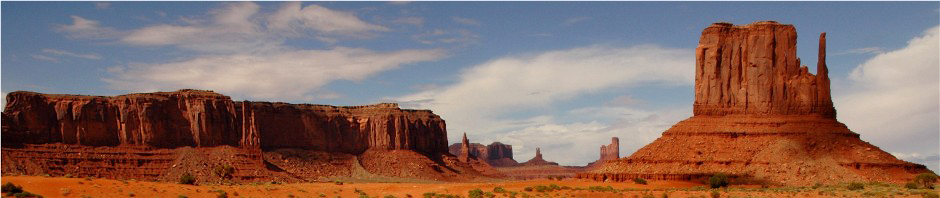
Tidal pools, whether they exist along the shores of great oceans and seas, or along the shores of a great lake (Michigan) afford us the opportunities for interesting pictures.
I have gotten a lot of mileage out of these sunrise pictures. They were made in 2003 and are digital originals. Between these two I prefer the horizontal. The vertical opens up the scene a bit as the sky lightens, but that is just why I prefer the horizontal. It is dark, colorful and moody, just like the photographer. My favorites from this shoot do not show the lake or the sky at all. Just rocks and reflections.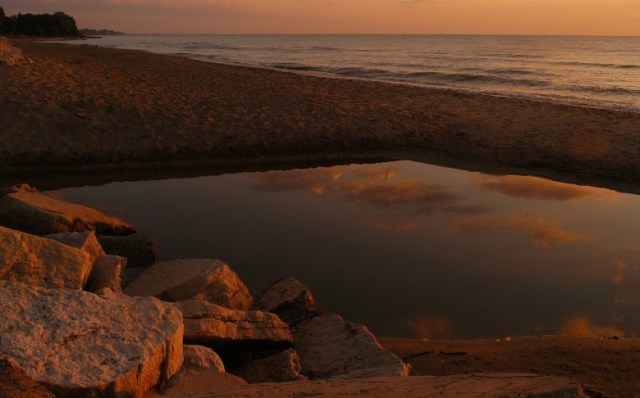

I don’t know how many times I have written (with images) about mirrored reflections. When I view the work of other photographers in my Earth Images group on Flickr or when I see the landscapes posted on Facebook, it is quite clear that reflections are popular. Below we have reflections in soft moist (very) high mountain air, crisp sunrise images in high mountain air, and post sunrise images at sea level or there about.
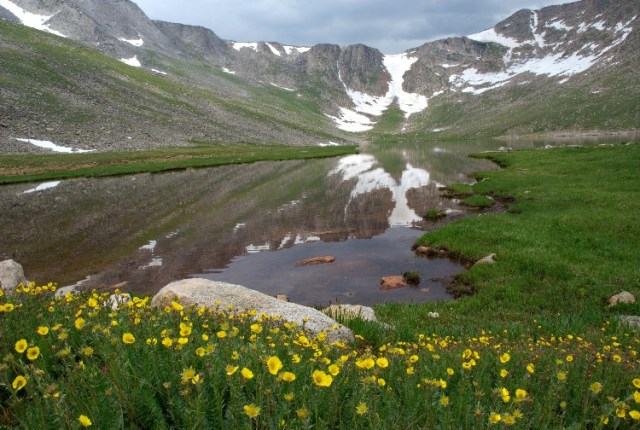
This first image is from Summit lake on Mt. Evans Colorado and is in that soft light. I did not want a perfectly mirrored image. I wanted the viewer to visually wander around this image. The one drawback to perfect mirrored images is that the viewer often takes everything in at once, and then moves on. Places like this are too important and fragile not too invite each viewer to take a little trip exploring everything.
This shot is from The Maroon Bells Mountains and Lake which is also in Colorado, and was made in early warm light. I used a foreground flowering plant and a rock to frame this scene. The plant covers a portion of the reflection and that was okay with me. That isn’t something you often see from this location and doing something different is often good.

If you look at the two images above, and you forget the differences of location, you will see the overall composition is almost identical. Just look at the photos, and where the sky and mountains are, and then take it to the bottom not worrying about whether water or land finish off the photo. They are composed almost identically.
The third is morning light and is an almost mirrored reflection. It is Starrett Lake and is located somewhere in The Nicolet National Forest of Wisconsin.
For me, using things like natural reflections is one of the best parts of photography. The compositional choices we make become a part of who we are. I chose to show small differences in composition because each little change we make, alters the image more than we think. We may make ten pictures using reflections, but they are still ten distinctly different images.
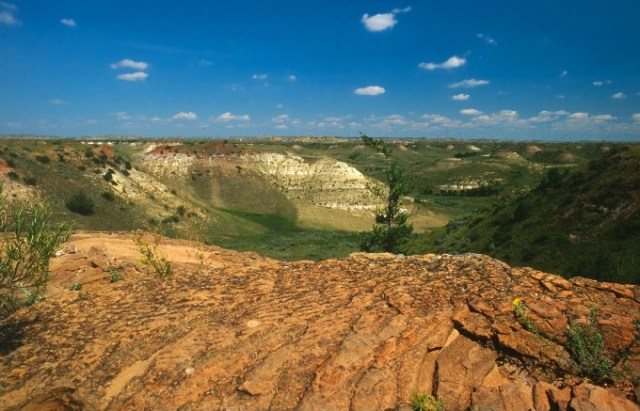
I have shown precious few non wildlife images from Custer State Park in South Dakota. Custer is one of the best wild mammal state parks in the U.S. so I guess that is normal, but there is plenty of beauty here as well. I came across this meadow on one of Custer’s more remote cross country dirt roads.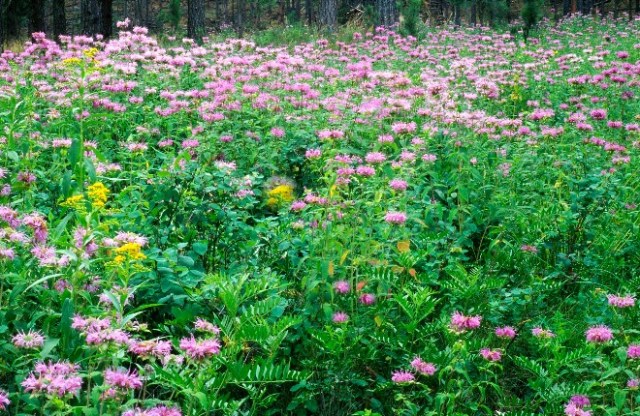 One of most under appreciated national park is Theodore Roosevelt in western North Dakota. Wildlife and landscapes are both abundant here. It is often called The Badlands of North Dakota but those two parks are really quite different. The rock composites here are different from the Badlands and TR has the lush Missouri River Valley running through it. In two trips to this park I never made it to its northern section.
 The actual badlands of South Dakota is one national park from which I have shown uncountable numbers of photos. Most are landscapes but some are sunset silhouettes. On one trip there I drove all night and just made it into the eastern section of the park before sunrise. I found a nice rock formation to silhouette, but soon realized that the only warm colors were at the distant horizon line, hidden by the rock form. The shape of the rock and the small but colorful display of sunrise colors were not going to live in the same image. When in doubt I always opt to click the shutter. This cool yet sunny silhouette will never stand a side by side contest with my sunset images but it is different and it says much about how wind and water has shaped the rock here.

 Earth Images Blog by Wayne Nelson