The article below was written by me around the year 2000. I recently found it in a drawer. It was written on an old Earth Images letterhead. I am reprinting it for those of you residing in Wisconsin or northeastern Illinois, or anyone that will be traveling in this direction.
The article (I have changed quite a lot for this post) was scheduled for publication with photos, in Wisconsin Trails Magazine. That old image list was 100% slides while today’s photos are all digital originals. While I was waiting for the publication date I got a picture request from the competing publication called At The Lake Magazine. They wanted an “article leading photo” from Bong State Recreation Area. I was thrilled. My time at Bong was really paying off. My picture was published to illustrate someone else’s article within two weeks. That article was of course about Bong. WI Trails saw the article and killed mine. I sold one picture instead of a photo/text package that included multiple pictures. The stock photographer always takes whatever he/she can get, but being paid as a writer and photographer is always preferred. Both magazines were always good to me including in their calendars. At The Lake graced me with magazine and calendar covers and WI Trails with entire portfolios.
Bong State Recreation Area is one of a network of such places owned by the state of Wisconsin, and is a part of the State Park System. The park is located in western Kenosha, county on Highway 142 about ½ mile west of Highway 75.
Bong was established by the WI Department of Natural Resources in 1963 when the United States Air Force canceled funding for a proposed air base at the location. It is officially named after Richard Ira Bong a legendary World War II pilot and hero from Poplar, WI. He died in a testing crash in California on August 6, 1945. On May 22, 1955 he was remembered with the Richard Bong Memorial in Poplar.
As an aside, I have often gotten a peculiar expression from anyone that I have told about Bong. Especially those from my generation. I think that the secondary meaning of that word conjures up a use for Bong other than what it is normally (I think) used for. LOL
I first visited Bong in 1967 when I was in high school. The state had done little with the location at that time. It was really just an abandon air base. I continued visiting off an on until it became a true state park. I began trailering horses to Bong for riding excursions with my sister in the early 1980s and soon after began using Bong as a nature photography site. I have made more nature images here than any other single place. One year alone I visited Bong over 50 times.
Bong is a true multi use area. Among the activities available there are a 7.1 mile long ATV/dirt bike trail, hang gliding, field dog trialing, radio controlled airplane flying, volley ball, picnicking, and two campgrounds. Swimming is allowed along a 300 foot stretch of beach on Wolf Lake. During appropriate seasons there are managed hunts for pheasant, Mourning Dove, waterfowl, deer and small game. Fishing is permitted at various times on Wolf Lake. There are two urban fishing ponds for children and the handicapped. One is at the east end of the visitor center’s rear parking lot and the other is due east of the same visitor center along the main park road. Horseback riding is allowed as long as you use the proper parking lot to unload trailered horses and stick to designated bridle trails. Bird watching is very popular here and nature photography is on the rise. There are naturalist programs given throughout the year, with Saturday mornings or evenings being the most common times.
That leads us to the purpose of this article.
The many uses of Bong are taken advantage of by thousands of people every year. A surprising number of people I have met during my visits, have never really experienced the “natural Bong”.
The signs you see leading into the park exclaim that is southeastern Wisconsin’s largest managed prairie. This is true and the large expanses of prairie flowers to be seen during the summer months are worth the visit. Beautiful displays of Wild Bergamot, Sunflower and Purple and Yellow Coneflowers can be seen from the roads. Bong is also a series of connecting wetlands. Flowers are plentiful here as well with Blue Flag Iris being seen along the edges of the waterways in spring. There are also abundant small groupings of forest made of both conifers and hardwoods.
For me personally, the wildlife makes a trip to Bong more than worthwhile. It is an especially valuable location for birds. Space here would not permit me to print the bird list. I won’t even go into all of the types of birds that I have personally seen at Bong but just a few include the Belted Kingfisher, Great Egret, Black-crowned Night Heron, Great-blue Heron, Little Blue Heron, Sandhill Crane, Cormorant, American White Pelican, Upland Sandpipers, Wilson’s Snipe, Woodcock, Ring-necked Pheasant, Northern Bobwhite, Chukar, Bobolink, Eastern Meadowlark, and more ducks than you can think of.
With the right timing Bong can be a world-class location for a variety of birds of prey. Below is a short list of what I have seen over the years.
Red-tailed hawk, Rough-legged Hawk, Red-shouldered Hawk, Northern Harrier, Northern Goshawk, Cooper’s hawk, Northern Shrike, Great-horned Owl, Screech Owl, Short-eared Owl, Snowy Owl, American Kestrel and Bald Eagle.
Once in 2008 another photographer and I counted (being conservative) 42 hawks in two trips through the park on a winter’s day. They were made up of four species with Rough-legged Hawks leading Red-tailed Hawks by a small margin.
There is no shortage of interesting reptiles and amphibians at Bong. The most prolific include Chorus Frogs, Bull Frogs, Leopard Frogs, Gray Tree Frogs, Painted Turtles, Common Snapping Turtles and Blanding’s Turtles. Pick a damp warm morning in early June and you are almost guaranteed to find nest digging snappers along the roadsides. I have seen a handful of snakes but I have never pursued this far enough to have gained much knowledge of which species you can expect. I have also seen and photographed salamanders as well as two different species of crabs.
Among the most common mammals in the park are Eastern Chipmunks, Thirteen-lined Ground Squirrels, Raccoon and Coyote. Less commonly seen but present are River Otters, Muskrat, Mink and Whitetail Deer.
When visiting in the summer months don’t overlook one of Bong’s greatest assets, the “flying jewels”. There are more types of butterflies, dragonflies and damselflies than I could ever list. The many flowers are great for attracting butterflies while the many still water ponds and wetlands are perfect for dragon/damsel reproduction.
Like most places, the best time for wildlife viewing at Bong is right after sunrise. The nocturnal animals are still out while the new day greets a whole new group of diurnal critters.
Begin your wildlife adventure shortly after entering the park. You can stop at the visitor center to see what songbirds are using Bong’s bird feeding station. You may be surprised to find a Raccoon or a Coyote there instead. The urban fishing ponds are great places to see Great-blue Herons and various Sandpipers and Plovers. Wolf lake is the perfect place to find any sort of waterfowl including ducks, Grebes, geese and swans. As you drive further into Bong make sure to check the vernal ponds (water permitting) for more herons, Killdeer, Snipe and Yellow-legs. Turn into the large gravel parking lot E. Drive the perimeter of this lot to check for nesting Killdeer, Northern Bobwhite, Chukars, Horned Lark, Sandhill Cranes, Yellow-headed Blackbirds and Bobolink. Moving on to parking lot F you will find a viewing platform on the north side of the main road. It is adjacent to a large wetland and depending on the time of year, Cormorants, wading birds, swans and Pelicans can be found. In early autumn I have found as many as one thousand Sandhill Cranes using the shallows and small island for a night roost. Your nest stop is parking lot G. A short hike to the north will take you to one of Bong’s best and most versatile spots. The trees to the north are often filled with Great Egrets. I frequently find Belted Kingfishers , Green Herons, Mink, and even deer here. This is a wonderful spot for frogs, turtles, and toads. This is an excellent butterfly location and an even better place for dragonflies. I once counted 8 species of dragons within 50 feet of each other. Make sure on your way out of the park to check the trees and signs for Red-tailed and Northern Harrier Hawks. If it is winter also be on the lookout for Rough-legged hawks, Short-eared Owls, and Snowy Owls.
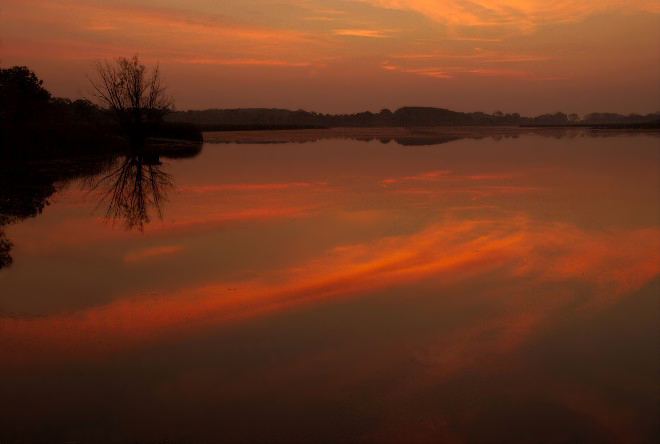
Much of the year a morning trip to Bong will treat you to fog. Low lying fog means dew. Flowers and insects covered with dew are a normal part of a nature photographer’s life at Bong. You will also find that the morning fog will lead to some of the most spectacular lake, marsh and prairie sunrises you will find anywhere. Between the flowers, the wetlands and the winters, Bong is an excellent landscape destination
Bong has countless miles of hiking trails. The main portion of the park that I have described above has wetlands and prairies that non-hikers never see. That same main portion of the park is actually less than half of Bong. To the west across highway 142 is another section of wetlands and forest that almost rivals the main part of the park in size. Hike this north to the next county road and a short ways back to the east you will find another large expanse of land, that this time mixes prairie and woodlands. Travel west out of Bong’s main entrance/exist to the first county road to the north, and then turn left at your first opportunity and you will find the Vista Picnic Ground. The is surrounded by some hillside forest that has even more hiking trails. The picnic grounds itself is a good location to find a large nesting population of Eastern Bluebirds. My feet have covered every foot of every trail of all the sections of Bong. To truly explore this park as a nature lover/photographer, will take several years unless you have a lot of time on your hands.
I have learned from past mistakes (by me) that when I write glowing critiques of any given location, I will disappoint some people who visit that location. How good any place will be is dependant on the time of day, and the time of year you visit. It is also contingent on weather as well as your own opinions. I am an eternal optimist when I head out to nature. That keeps me coming back and eventually it is how I find all of those great plants, animals and conditions that lead to photos. Nature photography is like anything in life, it takes persistence and a little work to accomplish.
Bong is a state park and entrance fees or a state park sticker is required. Hours for non campers are from 6:00am to 11:00pm. Please remember that when you are in a great natural place like Bong, be as kind to the plants, the animals, the land and the people, as you possibly can. It is there for all of us to use, but it will remain so only if we take care of it.
Happy exploring.
All of today’s pictures were made at Bong State Rec. Area, Wisconsin
Firestorm: A fairly typical morning on Bong’s prairie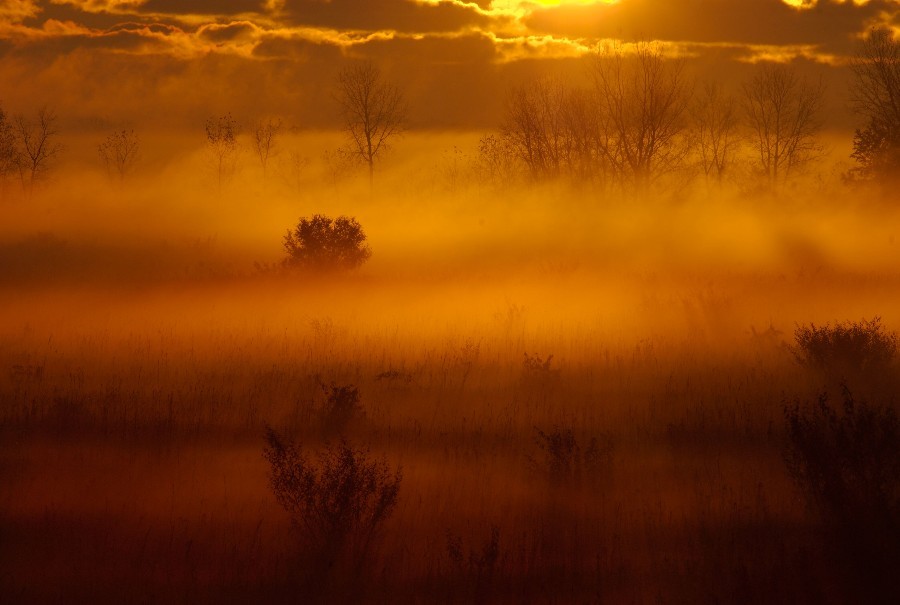
Good morning from Wolf Lake in several different seasons

Foggy morning from the fishing pier on Wolf Lake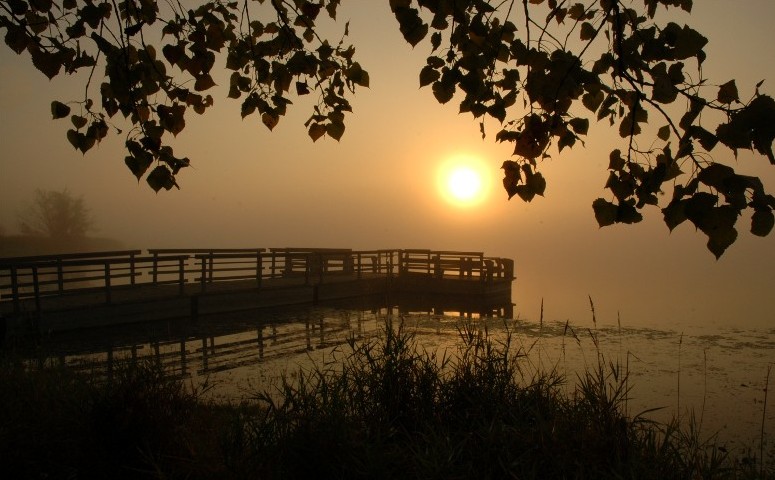
The results of foggy mornings. Orb Web and dragonfly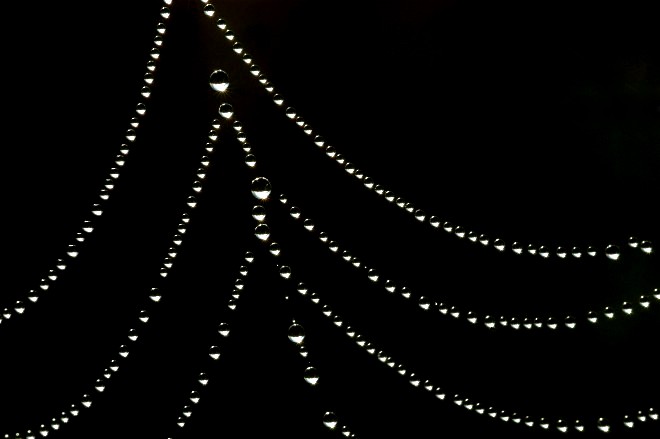

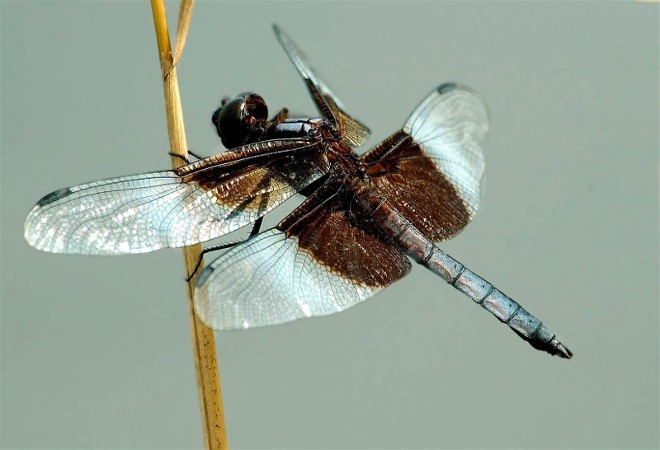
More dragonflies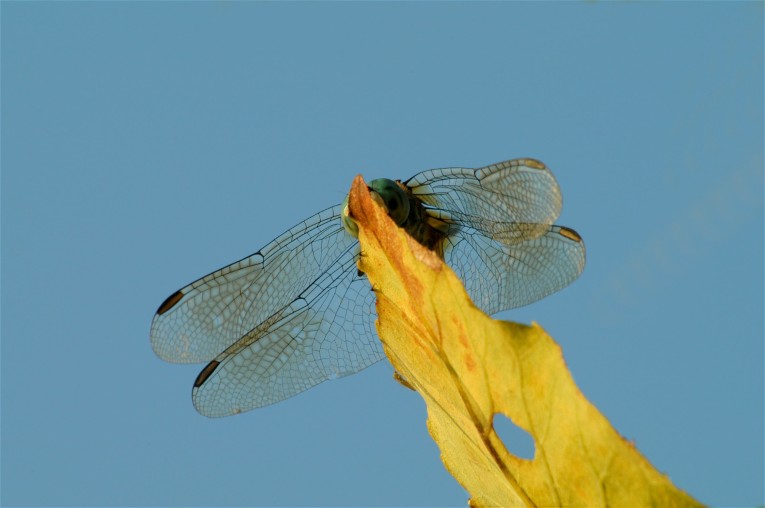
Bong is a great place for nesting Common Snapping Turtles. The first shot is an overview of habitat with a snapper digging its nest. That is followed by a close portrait.

They have a large population of Painted Turtles as well
Bull Frogs

Most winters bring at least one visit from an arctic Snowy Owl. Short-eared Owls can usually be found from October through April but they might even nest at Bong. The Snowy Owl and the first Short-eared Owl are actually pictured on the same stretch of prairie. These spots are about ten feet from each other. The Snowy image was made in December and the SEO picture was made in March. The two final images of SEOs were made in March one day before the prairie shot


Bong also can get up to 20 Rough-legged Hawks at a time between December and February.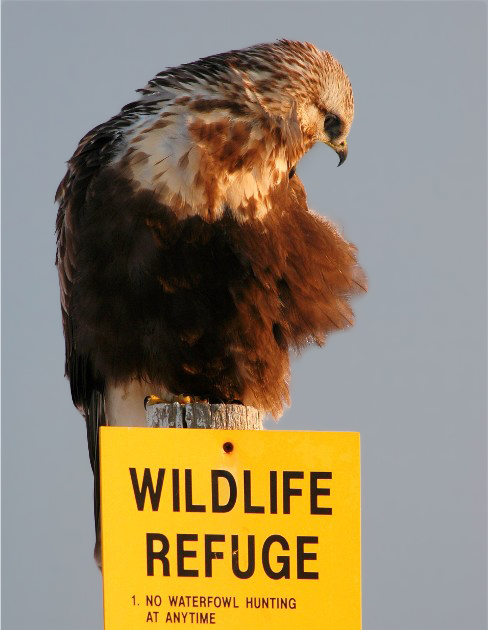
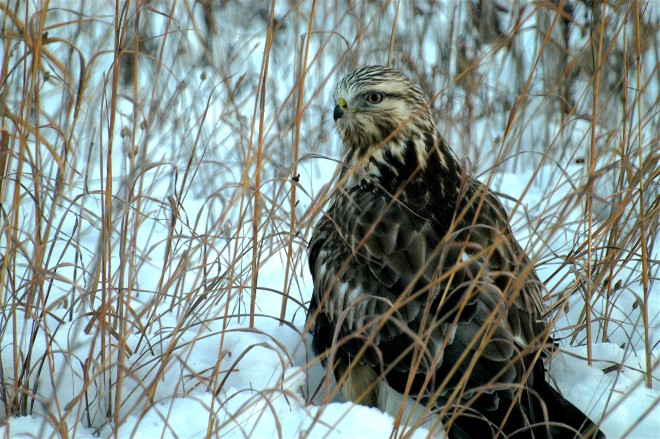
Of course the common Red-tailed Hawk is found here year round, although their numbers can increase during the winter months.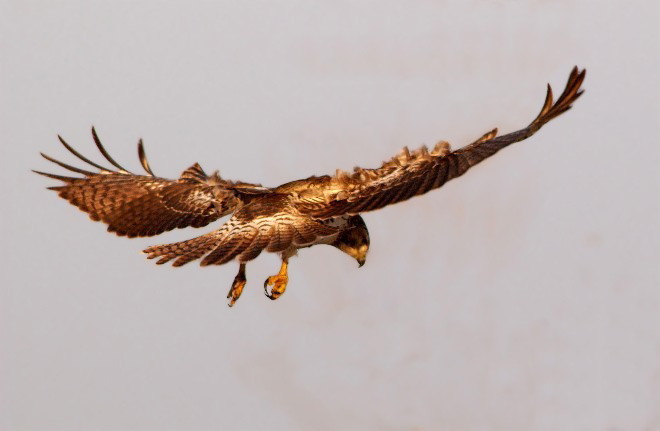
The best spot I have found for photographing Belted Kingfishers is right by the vernal pond next to the parking lot for flying radio controlled airplanes.
The Vista Picnic grounds are a good place to find Eastern Bluebirds although anywhere around the park is good
Like at any marsh/prairie habitat the Red-winged Blackbird rules from March through July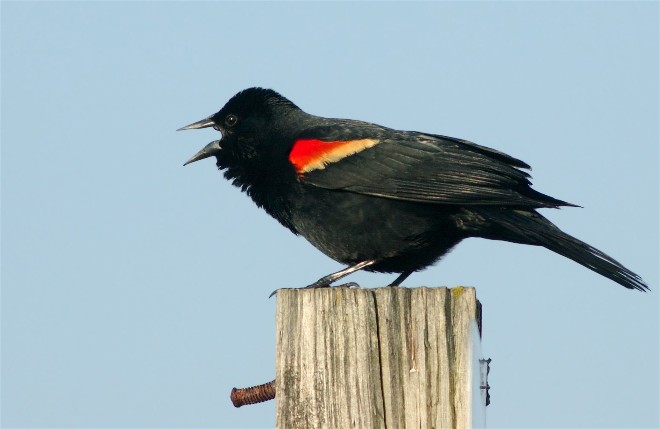
There is always a small but dependable population of nesting Killdeer at Bong. They arrive here anytime between late February and mid May. Please be careful not to disturb the birds or damage their eggs
Those small roadside ponds sometimes provide you with herons or egrets right outside your car door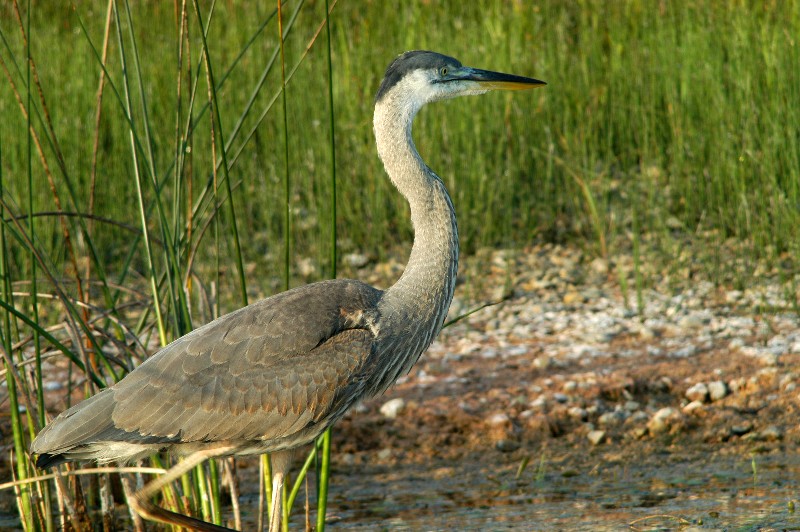

There is often a puddle duck or two to be found there as well. Make Blue-winged Teal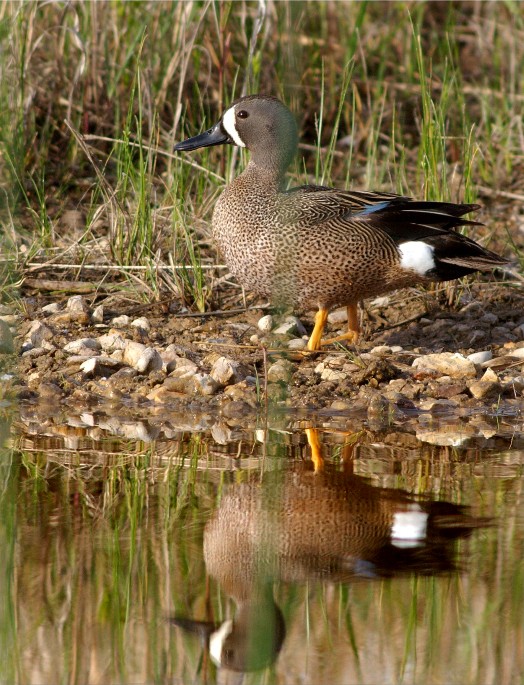
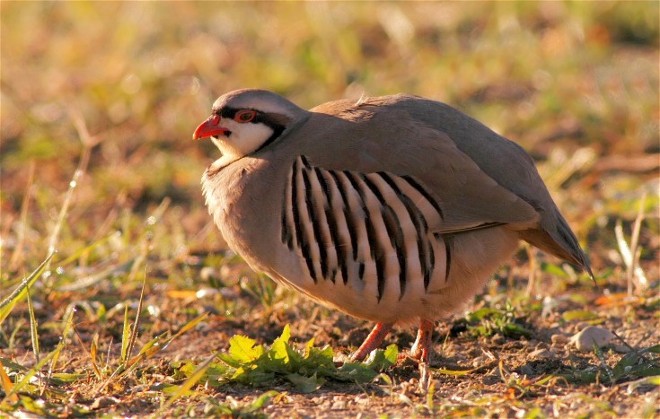
Bong is an excellent place to find upland type game birds as well. Field dog trials are held here so the participants bring their own home-reared birds such as the Northern Bobwhite Quail and Chukar. They are left to fend in the wild after the trials and those birds can be found by you the photographer. The Bobwhite do have a nesting wild population at Bong but nobody is sure whether that comes from the trial birds, or naturally. They were originally found in this area as an indigenous species. The Chukars never seem to make it more than a few months before predators, weather or hunger get to them. The top two images consist of a male and a female Northern Bobwhite. The next is a mature Chukar and a juvenile of the same species.


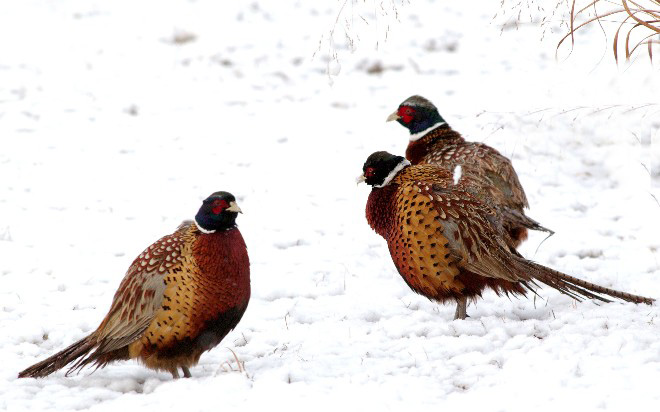
Of course Bong is a hunting ground so the best known game bird can be found here. The Ring-necked Pheasant is stocked here meaning you will have an over-supply in October through December. Now you know why there are so many hawks here in early winter. There is also a large breeding population of pheasants but of course they disperse all over the region.
Sandhill Cranes generally stop at Bong in every season but winter. There are often nesting birds here as well. If there is water in the wetland visible from the viewing platform, often several hundred Sandhills will gather for night roosting. I believe it was 2007 that Bong had over 1,000 resting here. Just before and at sunrise they will lift off by the hundreds as they head out to find fields to eat in. In late afternoon until after dark they will return in small groups. This all makes for a great opportunities for a photographer to make flight shots. The chance for silhouetted flight shots also exists.


The Eastern Cottontail Rabbit is of course abundant over much of the eastern half of the country. Just the same I have never seen more of them anywhere than I have at Bong. Go to Bong in the morning right about late June (now) when all of the young rabbits have been chased out on their own. Males are also pursuing females and chasing off other males. Just a week or so ago a trip through Bong brought hundreds of close encounters. This was still going on three hours after sunrise.

Small critters like the Thirteen-lined Ground Squirrel are also abundant here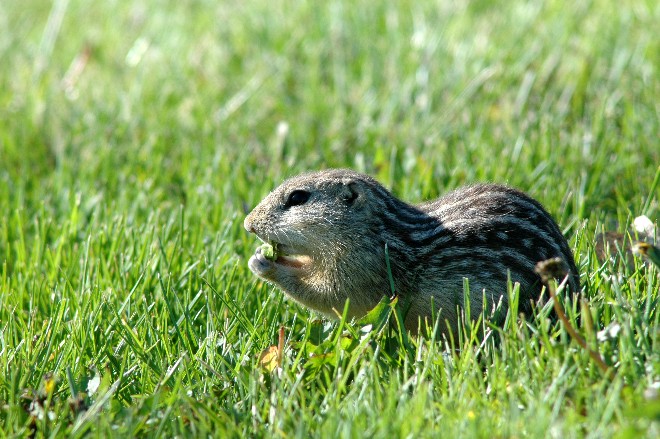
I have seen more Raccoons here than Opossums, but at a place like Bong, you just never know.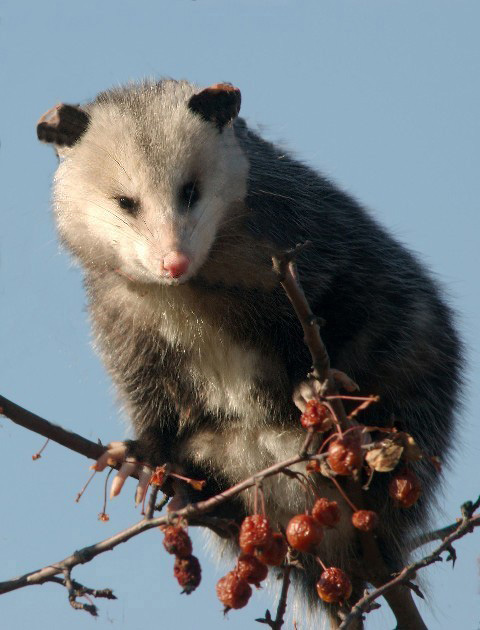
To me Bong is a nature site but an observant photographer will find other subjects as well. Such is the case with this old wooden foot bridge.
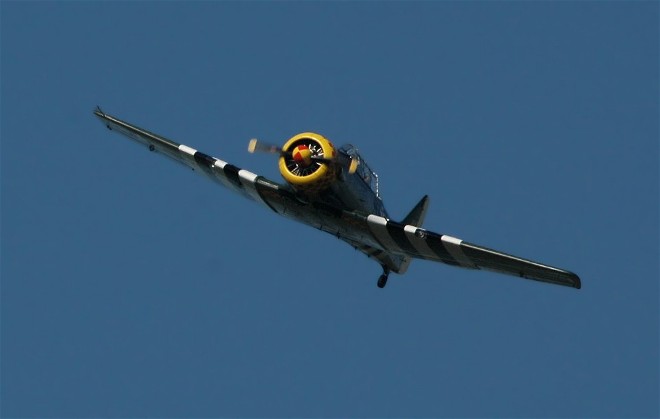
Every so often I will see a classic airplane using the Bong air space. If what I am doing is not critical, I turn my camera towards the sky.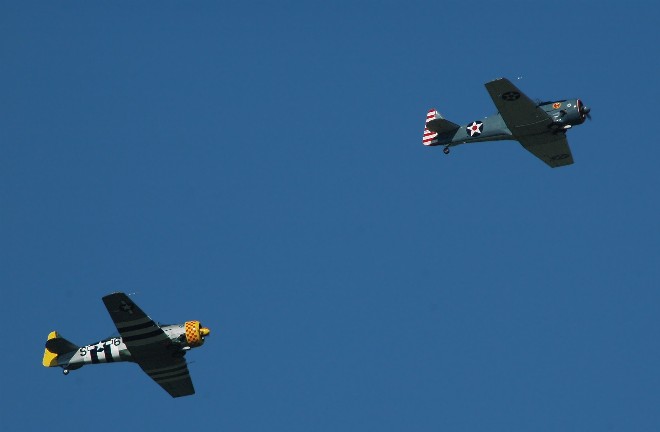
A lot of this park is prairie and a lot is wetland. Summer prairie flowers like the Purple Coneflower make a nice backdrop to combine both habitats in the same image.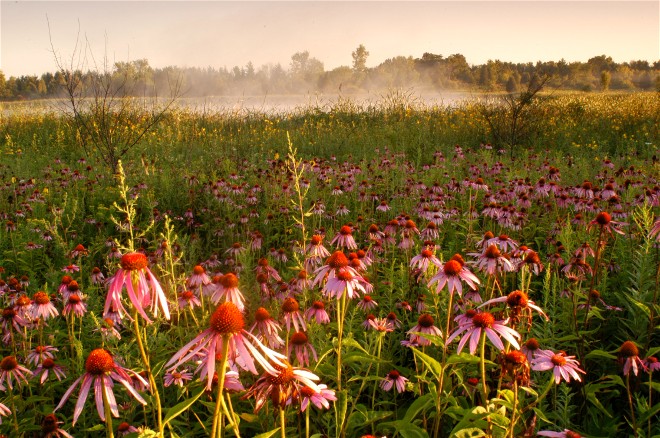
Winter may be the best season here for landscapes. I always kept my eye on the forecast so I was prepared to make the trip. With cameras of course.
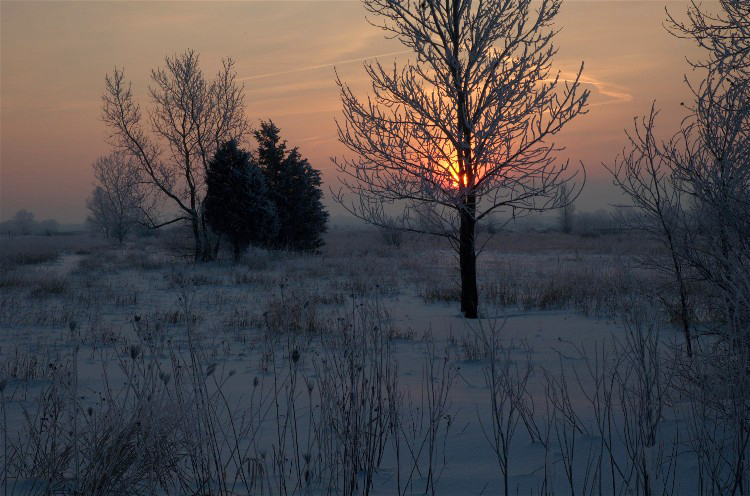
Of course where there are sunrises there are also sunsets. I have driven back from Bong in the darkness many times, my mind racing with pictures of the long and wonderful day that I had just experienced. Thankfully I had pictures in my camera as well, so I could share them with others.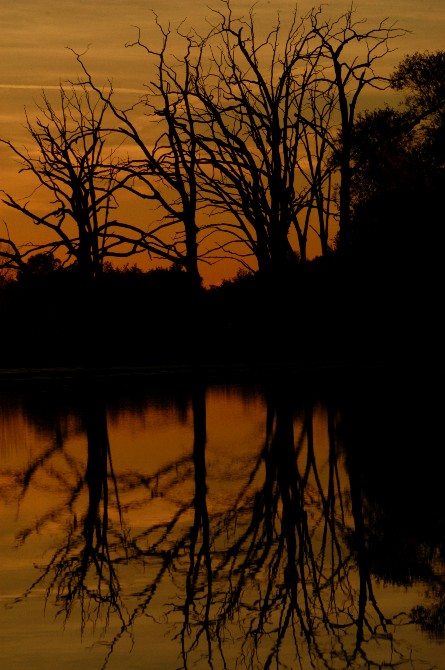
Everyone needs a place like Bong in your life.
 Earth Images Blog by Wayne Nelson
Loved your blog/article (I truely do not know what the difference is??)! The entire blog/article is truely Magazine material in my book! It was wonderul finding your article today, I only hope more folks run across it, we need much more positive written about our nature in Kenosha County and Bong is a fantastic state park!
I was out to Bong today in search of the Snowy Owl. No luck (26 degrees today, windy, and I didnt have long-johns on! Needless to say, I wound up in my truck looking thru the binoculars instead of on foot most of the time! haha!) I’m sure it has probably been a few years, but do your remember what area you spotted the Snowy Owl?
I did see many hawks although I could not identify as they were out of my range to view their markings!
Loved all your magnificent photographs as well – wonderful job along with your writing! I hope you continue!
Regards, Cindy
Thank you Cindy. The first Snowy I found at Bong was in 2005/2006 and she spent most of her time near the lake, or in the big field that is to your right as you drive in. There was another one there in 2009 but it only stoped for about 30 minutes.
Thanks for your comment.
Thank you so very much for sharing!!! What incredible facts and knowledge! I promise to put it all to good use.