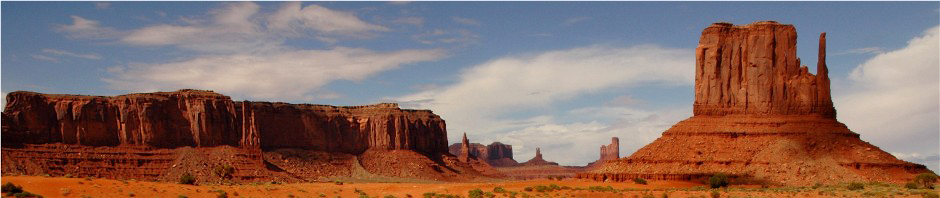
I am discriminating against eagles and owls on today’s post. Other birds of prey qaulify.
Actually, many, many birds are winged predators. Even many of the “seed eaters” not only catch things like insects, spiders and slugs to fill their babies with protein, but I personally have seen them gulp a bug or two in between feedings.
Like any wildlife photographer hawks have been a major focus (so to speak) of my photographic endeavors. I knew next to nothing about these critters when I began. I soon found out that they are both the most frustrating and the easiest birds to make pictures of. Who has not eased their car to a stop, slowly protruded your lens out the window, only to have the hawk fly away just before you got your finger on the trigger? Doesn’t matter what the species is, they will frustrate you again and again. On the other hand who hasn’t eased their car to a stop, slowly protruded your lens out the window, only to have the hawk remain their while you created picture after picture? Doesn’t matter what the species is, they will delight you time and time again. Most of that is simple to understand. When they are hunting from a perch, and they have seen some prey, they will tolerate your presence. There is however a definite difference in individual birds. There have been some Red-tails that have tolerated me within 20 feet, time and time again. I have had the same experience with some American Kestrels.
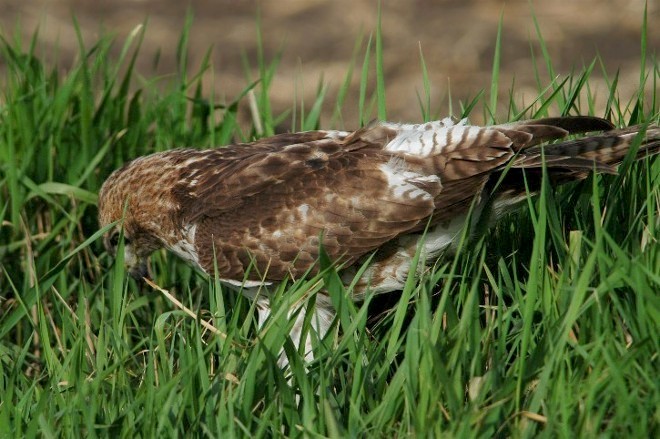
If you live in the Americas, you have most likely seen a Red-tailed Hawk. Their plumage is highly variable, but they exist almost everywhere. I long ago lost track of how many RT photos exist in my files but here are three, The middle bird just grabbed a vole or mouse but oncoming traffic dictated that I leave before I could finish my image making. Always be safe and protect yourself and other drivers when you are shooting from your vehicle.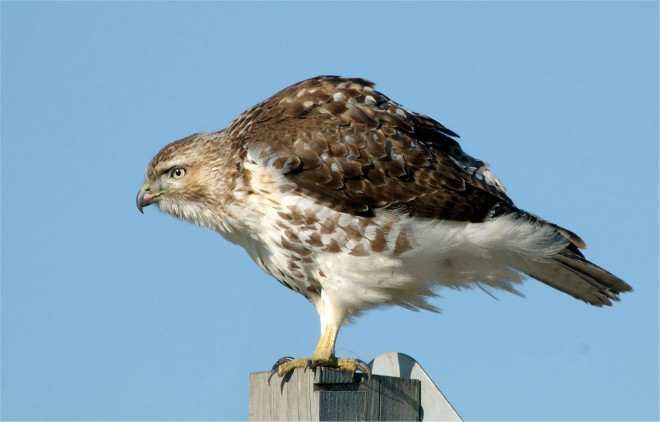

The Cooper’s hawk is the other common hawk of my home area. I have certainly photographed many more RTs but I always find the Cooper’s to be a striking little hawk. A female and male ( I believe) have been frequent visitors to my back yard for many years.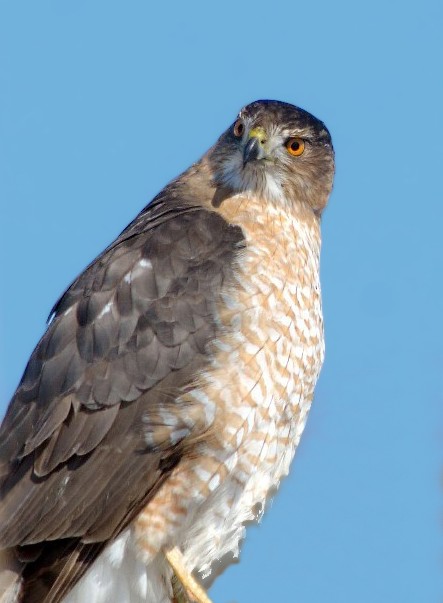
The Rough-legged Hawk is a wonderful visitor to Wisconsin from the arctic north. Many of the RLHs that I have found were willing to tolerate me in my car as very close range. I have also gotten out of the car and set up my tripod, maybe 50 feet from one of these birds without frightening them away.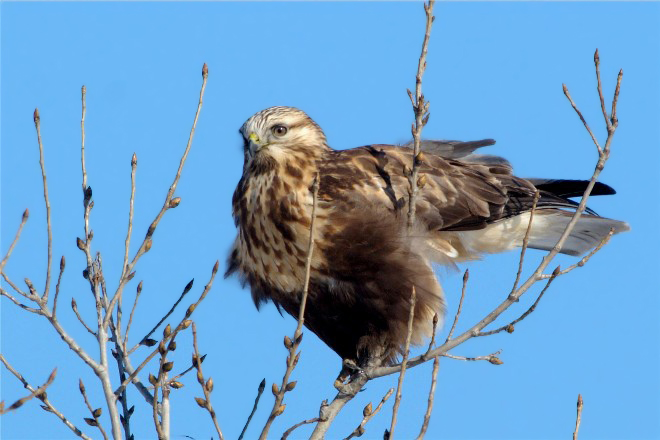
Broad-winged Hawks migrate through this area by the thousands. Just the same I managed to miss seeing (as far as I know) any of these guys for what seemed like forever. Four or so years ago I finally found one and it was almost too cooperative as it sat right outside the window of my car.
Northern Harriers, Swainson’s Hawks, a Red-shouldered Hawk, and Sharp-shinned Hawks have also met my camera lens. I have been privileged to see but not photograph Northern Goshawks (Wisconsin), Ferruginous Hawks (South Dakota) , Harris Hawks (Arizona) and Common Black Hawks (Texas).
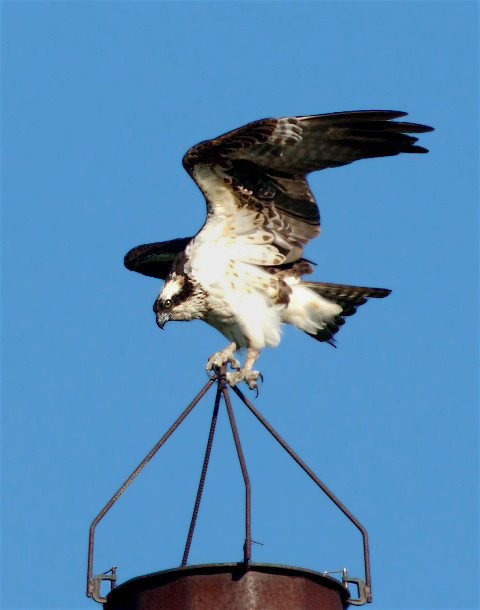
Most of us think of the Osprey as not belonging to any other birds of prey group. In other words they are “just Osprey”. Actually most ornithologists consider it to be a member of the hawk family. It’s original common name was the Fish Hawk. I have seen my share of Osprey but my photo opportunities have been few and far between. The exception is the southeastern Wisconsin location of the second two images below. I and many other photographers had many chances to make photos here as Ospreys nested here for four or five straight years. The location was not the best for making premium pictures but of course you manage a few good shots along the way. The first image was made from my front yard.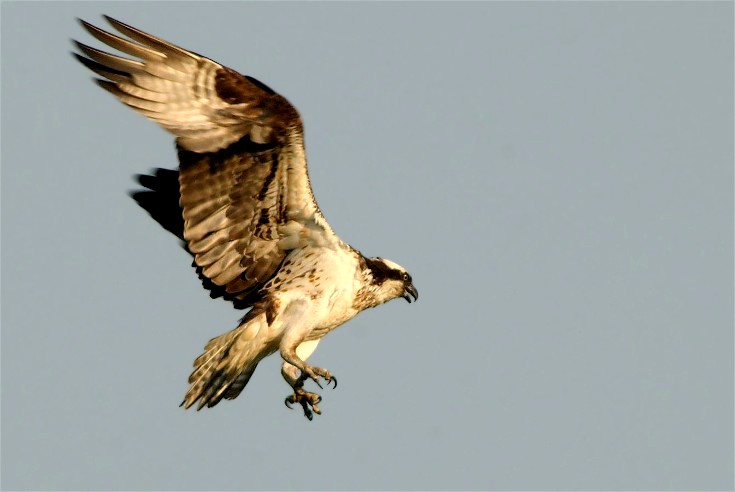

Members of the falcon family are always an interesting and photogenic group to work with. I have made a few very distant (ninth floor) images of a Gyrfalcon, and three somewhat fuzzy frames of a Peregrine in a 100mph dive at a gull. No he didn’t get the gull and yes my 100mph speed is only a guess. I have seen but never photographed a Merlin and I have never even seen a Prairie Falcon. Having said all of that there is one falcon that everyone in the Americas is familiar with….the American Kestrel. In fact Europe, Asia and Africa have their own version of the Kestrel. This bird is among the most colorful birds of prey we have. The bird below is sitting on their favorite perch, the telephone wire/power line.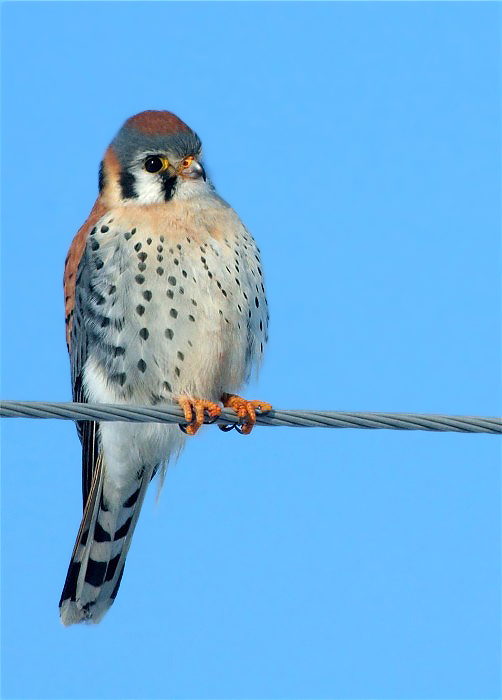
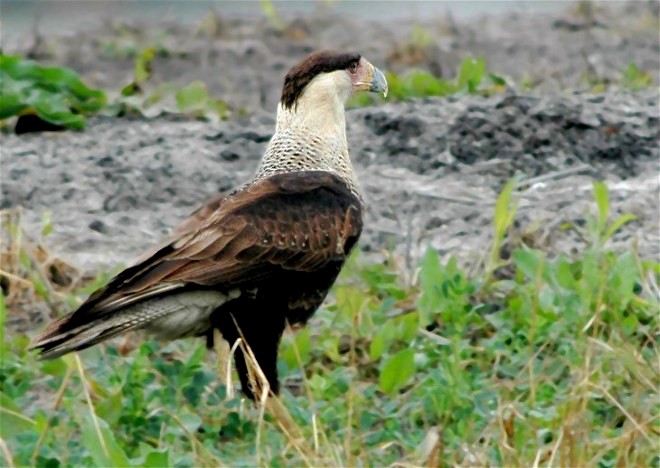
Scavengers fit loosely into the category of birds of prey. The most common in North America is without a doubt the Turley Vulture. Their very close cousin the Black Vulture can be seen from the northern Gulf of Mexico to South America. They are often seen with the Crested Caracara. You will find one of each below. Both were photographed just outside of Aransas NWR near the Texas Gulf. There were also many Turkey Vultures in this area. The Caracara picture is of borderline quality but I thought it was a bird worth seeing.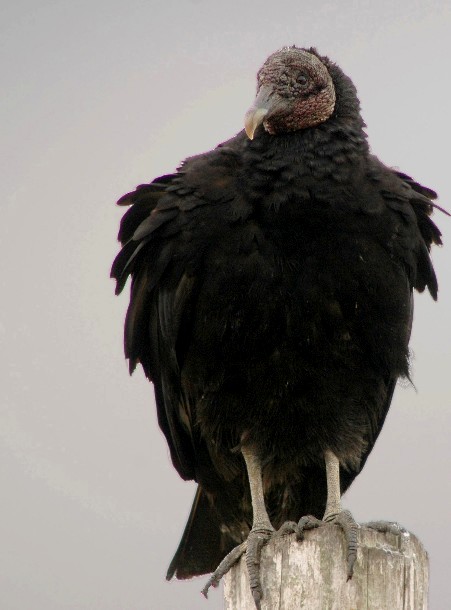
Like every nature lover I have gained a lot of my knowledge about nature from books, magazines, tapes/DVDs, the internet and television documentaries. I have also learned a lot from being a nature photographer. When I compare what I have seen, heard, and learned as an observer, with these other sources, I am surprised how often it conflicts with what is written or otherwise preached. On many other occasions the scientific source simply confirms what I have seen. In my more recent years I usually would make a note and not even check with another source. My reasoning is because whether another source would confirm or deny what I have seen, it does not change the truth of what happened before my eyes and sometimes my camera. Below are just observations from the field, some of which I am sure agree with most other sources, and some which might be denied by those same sources. How about you? How many can you think of?
Snowy Owls hunt primarily from a perch, and use their ears even more than their eyes. I watched a Snowy that was perched next to a very busy highway with a lot of truck traffic, turn and fly about 150 feet, crossing the road and traffic, dive to a spot he could not see from his perch, and grab a vole he heard walking on the snow. I have seen several other similar occurrences. I know for a fact that some Snowies will sit patiently for 24 hours in one spot, and then suddenly take off and catch a rabbit or other prey, that was in back of them. I have seen this species fly and come back with nothing also but they seem to be after something they have heard or seen, not hunting in the air.
All of the Short-eared Owls I have seen hunting have been in the air. Short-eared Owls have the most erratic flight pattern of any hunting bird that I have seen. Sometimes they appear to be having a seizure. I have seen a group of these birds hunting, had one catch a mouse, and had that bird offer (it appeared) the mouse to another bird while in mid-air. I assumed (always dangerous) that this was a courtship ritual. It was early March which is good timing for a Short-eared Owl.
Speaking of courtship, the Common Goldeneye Duck is the only duck species where I have witnessed the female chase away more competing females, than the male did with competing males. I have seen this behavior more than once.
I have seen Daddy-long Legs Spiders cannibalizing their own species. I am actually speaking of the DLLs that have only one body part and therefore are not a true spider.
On my final trip to Michigan’s Upper Peninsula (in early October, 2000 something) I spotted with binoculars, a pair of distant Great-horned Owls who were nesting. In October! Did I mention that they had fledglings? They nested during the summer. I spoke with a rafting/fishing guide who confirmed what I saw.
I was always told that a dry summer means the autumn colors will turn early. The earliest color changes I have seen were following a very wet summer. Air temps also play a factor. Of course the length of daylight is consistent from year to year.
To reiterate, I am not saying all of the observations above agree or disagree with known science. In fact in many cases I have no idea. I do know that I have made many observations that were in complete disagreement with the findings of well known birders, wildlife biologists and entomologists. In my opinion the best tool a nature photographer has is their own eyes, ears and intellect. Discovering nature for yourself is truly one of the greatest joys of being a nature photography
We are now in the summer doldrums as far as internet traffic is concerned. This happens every year. In days of old I could sell workshop slots for spring and autumn only two days before the event. For summer workshops I would need to have most positions sold weeks and even months ahead of time. People are doing other things in the summer time. If you are reading this you are not in a crowd. I have another blog where I write about a different subject and that site now attracts more visitors than this one. It does make sense because the subject of that blog is on peoples minds this time of year, while those who are into nature photography are more interested in actually going out and participating this time of year. You can’t blame them for that.
Enjoy this day and may God Bless.

 Earth Images Blog by Wayne Nelson