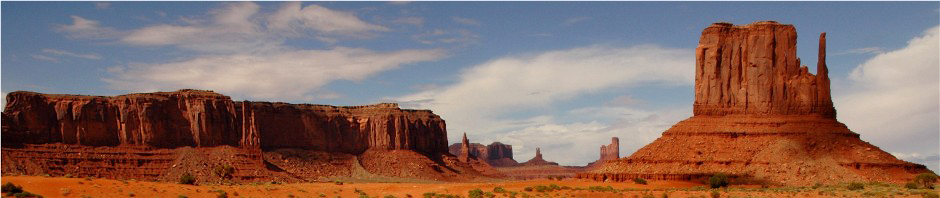
I have photographed a lot of subjects, with nature being the center piece of my photographic life. To me, nothing compares with nature as a subject. Having said that, I am a photographer and anything that makes a good picture is fair game. I have always made images of man-made subjects. I am especially fond of any interesting architecture, especially something of a historic nature. I am a student of human history and old buildings can give me a chill, whether that building’s history is well-known or unknown.
You will note that a percentage of these images are in black and white. Old and texture fit well with gray-scale imagery. I make my decisions on whether to use color or b&w, on a case by case basis. There are some of those old and textured subjects that do work better in color. I find that to be the case when there are some interesting colors, either within the brick, stone or wood, or there is something (like flowers) in front of the primary subject that pops, and that contrast makes the image more powerful.
Anyway you look at it, your subject, whether it’s genuinely historic, or it is just old, should contain a sense of character.
The Big Picture
One way to approach photographing historic architecture, is to pretend it is a landscape. Certainly one of the most common forms of landscape photography, is the all- encompassing “grand landscape”.
The 1700s San Xavier Mission, Arizona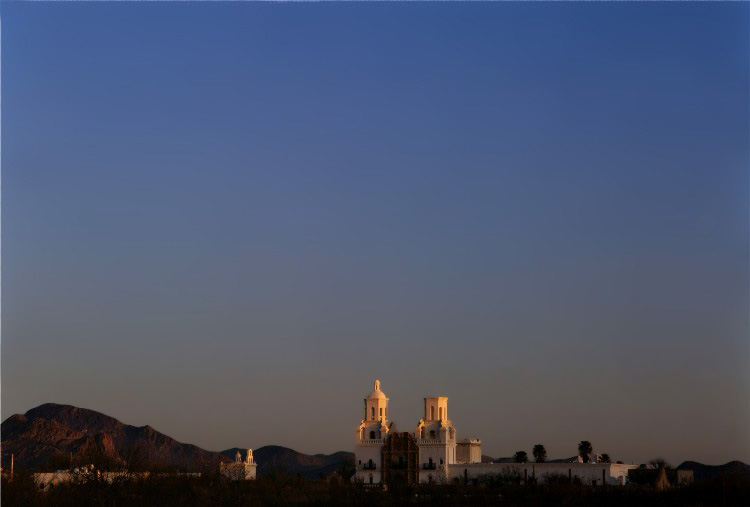
1800s Old settlers barn, The Grand Tetons, Wyoming
The 1500s Quari Ruins, New Mexico. Compositionally, I simply viewed this as a rock form. I used the near portion of the building (rock) to lead the viewer into the scene. 
1800s Lake Superior light house, Michigan
Old 19th century farm shed, Wisconsin. Black & White.
I used some foreground flowers to set off this early 1900s Norwegian settlers cabin. This is a pretty normal technique for small buildings. Door, county, WI
Piece Work & Detail
Narrowing down the view of old man-made objects, is my most common way of looking at this subject. I often start with the big picture, close in for a more intimate view, and then finish with detail. I do much the same thing with nature landscapes.
This old porch is the same cabin we finished with in the last section.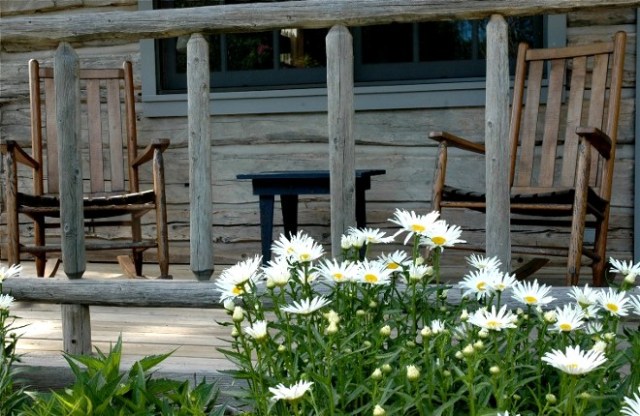
Old barn in spring. I had no interest in showing the entire barn in this shot. It was simply not what interested me. I used “visual compression” to sandwich the two trees and the barn. Wisconsin.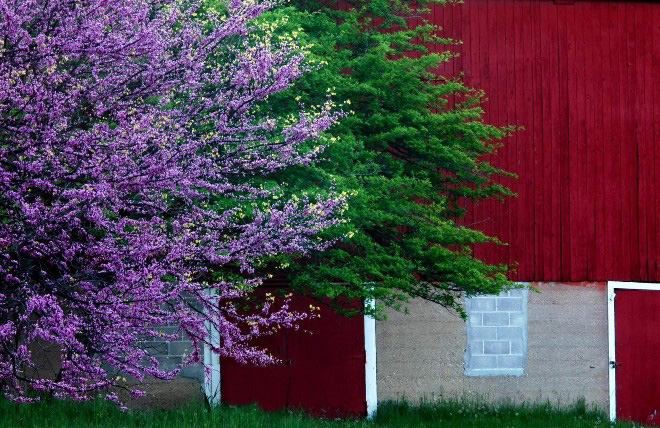
More red barn.
A considerably closer view of the same San Xavier Mission that is the first image of this post. I used leading lines and framing techniques in this composition.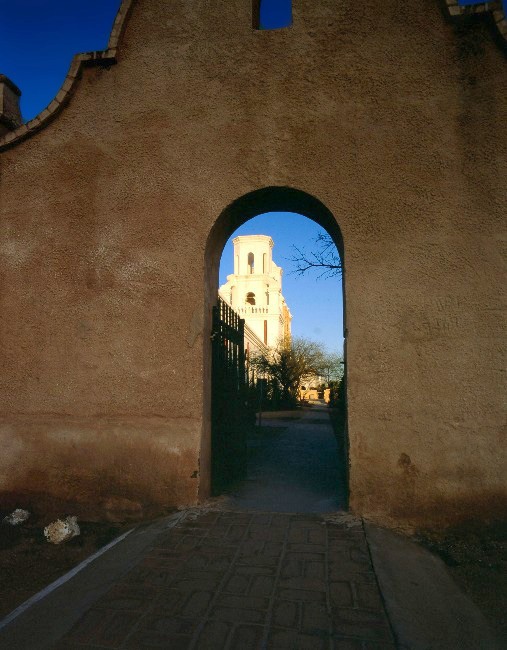
More from San Xavier.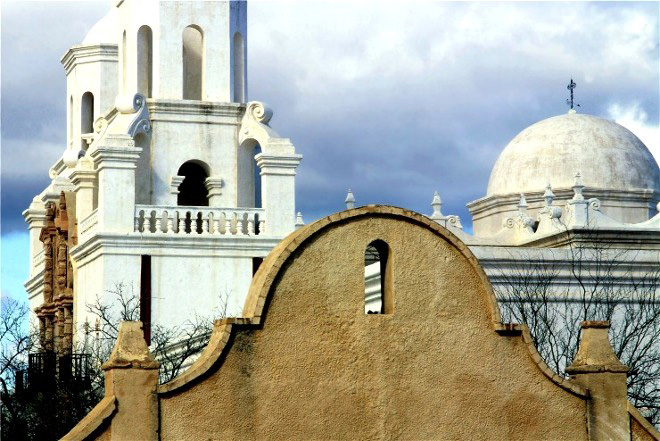
A minimalist view of the historic Kemper House in Kenosha WI.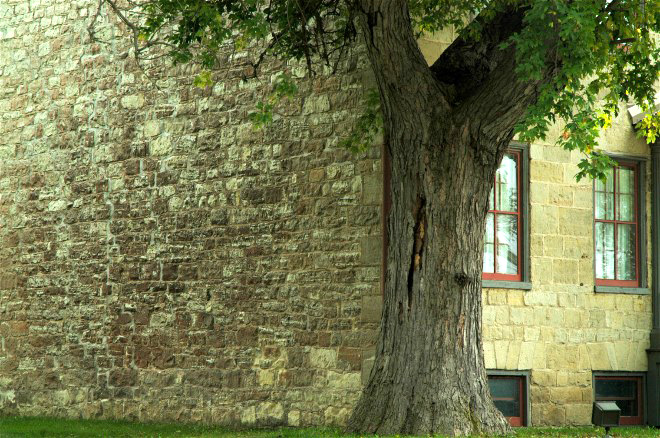
Boerner Botanical Gardens, WI
Tulips and old stone wall. Texture can be important. Note the contrast between the smooth skinned Tulips and the crusty old wall. WI.
Old Shed & Flowers, WI…Think texture.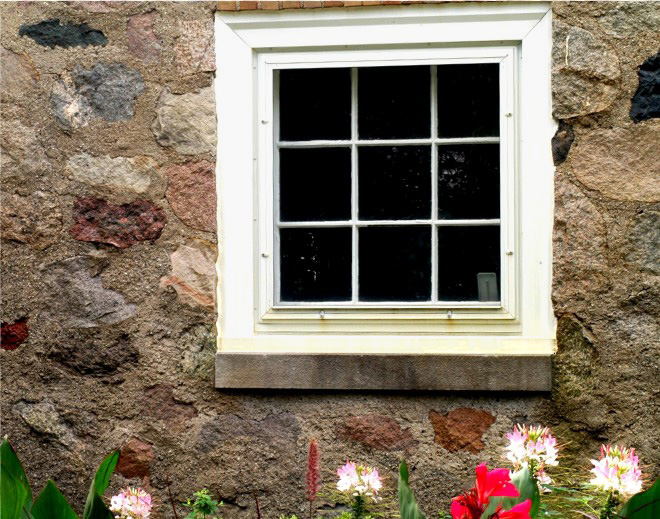
The same Quari ruins that we see in the first group. This time I have sectioned off a portion that I think helps show the 1500s workmanship as well as texture.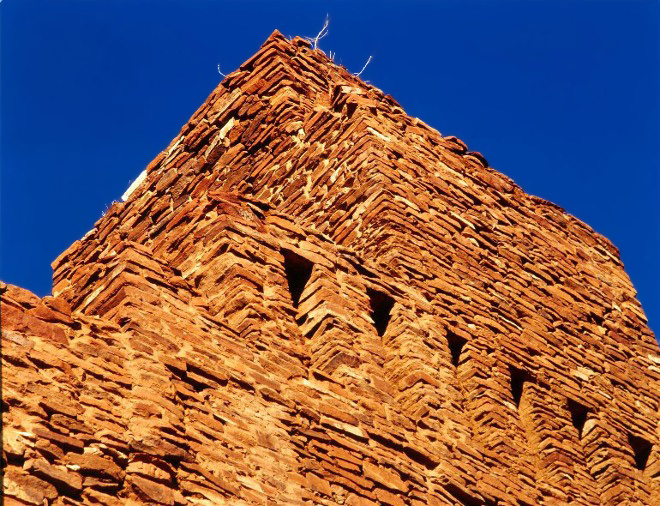
I spend a lot of time around the window area of many of these old buildings. Sometimes it makes for a nice break for the continuous tones of a wall, sometimes it is a view into the building, and here at the Pecos Ruins in New Mexico, it gives us a colorful 3D effect as it pops some cool blue out of the red rock wall.
Sometimes it’s just about reducing (an old barn) a place to lines made of sun and shadow. This is an interior of a 19th century barn in Tennessee.
A well used (and worn) 1930s pavilion at a rural northern WI county park. There are still pavilions like this in use in rural America today. That is in fact what interested me about this building. B&W.
19th century WI farmhouse. B&W.
More WI farm. B&W.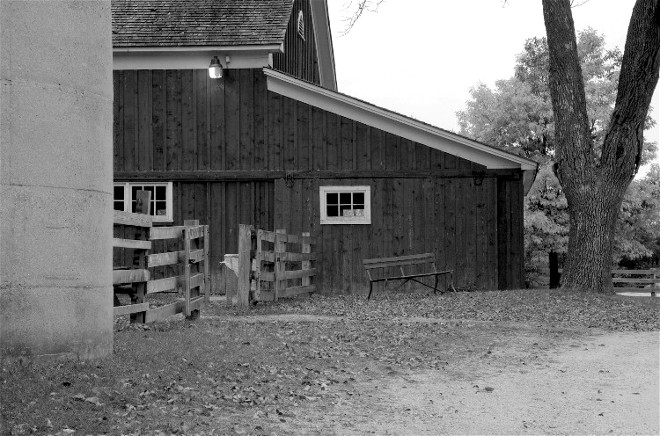
More WI farm. B&W.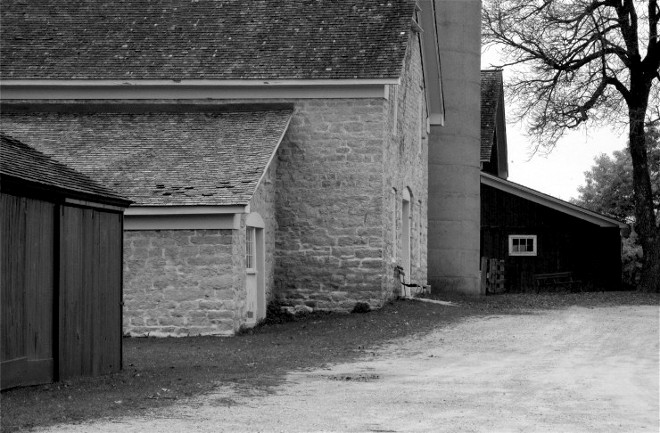
This is a workshop at the same WI farm. I am back to windows again. B&W.
Windows and doors are like anything that you photograph which is somewhere within a scene, most of the time they need to be off-center. Too much symmetry is damning. 1800s, WI. B&W.
Shaping History
Sometimes even historic architecture, has a shape that is common enough that we know what it is at a glance. I call this a mature subject. I had photographed this 1880 Lake Michigan lighthouse so many times that I began looking for new ways to “see” this building. I settled on silhouettes. There are times when detail is fatal. Wind Point Light.

Bridging The Gap
Another form of engineering produced by the human animal, is bridges. Foot bridges, railroad bridges, car bridges. Anything that ’bridges the gap” and has a bit of weathered wood or rusty metal, or maybe some eye-popping colors, is a great photography subject to me.
Twisted old footbridge. Sometimes an image screams black & white. This is one such subject. Made in Illinois.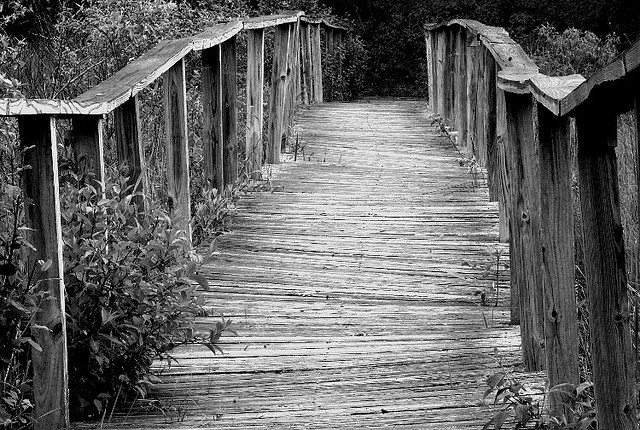
Smith’s Rapids Bridge is located in a remote area of the Wisconsin’ Northwoods. It was actually built in 1992 but definitely has that old look, which I enhanced by creating a monochromatic version.

I was definitely attracted to the stimulating colors of this red footbridge. The pleasing setting made it a must make photograph. The only thing left to do was discover an interesting composition. Made in Beloit, WI
This railroad bridge was photographed from a cliff above the area where the Wisconsin and Mississippi Rivers meet. I used a 500mm lens for this image. This picture like the image above, was also dependant on composition to make it interesting. This was originally a film shot. I have produced digital copies in both color and b&w. They work equally well.
Here we have another old wooden footbridge. This bridge is interesting but it does not have quite the character of the first footbridge in this section. At first glance many people think this is a black & white photo until they notice the grasses at the sides. Because I chose a very centered composition, I intentionally did not alter this picture into b&w. Those bits of color sort of wake the viewer up, and create a stronger visual journey. When you photograph bridges in the fashion of the first in this section and this one, it is all about the journey. The first footbridge carries us into the depth of forest while this bridge leaves it to our imagination where our travels will lead us. 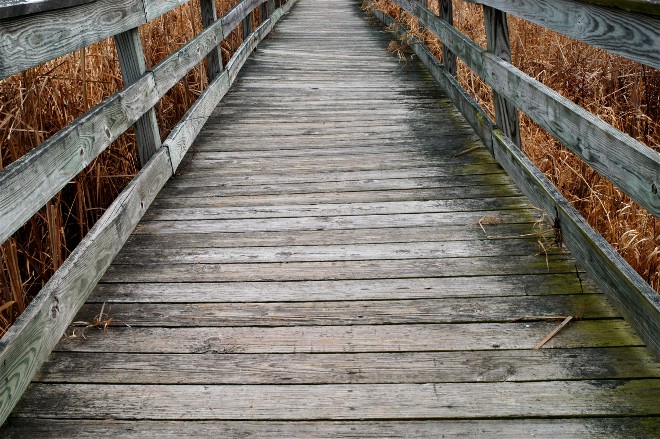
I don’t photograph a lot of car bridges, but I felt in this case the old bridge contrasted with the warm colors of the trees, the reflections in the river and the morning light. I found it a very mood stimulating scene.
Wow! I had no intention of creating a post with this many images. Imagine if I would have dug deep into my slide files. As photographers (visual artists?) it is good for us to experience subjects that differ from our norm. It teaches us to continue to look at color, texture, contrast and composition rather than just the type of subject that is in front of us. I have occasionally photographed, boats, planes, trains and even people. Of course I will always be connected to the natural world first.
I appreciate your stopping by at Earth Images, and I hope that we will all continue to look into, rather than at every potential subject that we find.
 Earth Images Blog by Wayne Nelson
Thank you for your earlier Christmas wishes and I hope this season brings you peace and joy. Thanks so much for your posts, I appreciate your sharing of thoughts and images. I particularly liked the light, shadow and color of the tight composition of wooden slats, and I had to smile as I immediately recognized the setting of your twisted foot bridge. How I love seeing a few new twists each season. Wishing you the best in 2012.
I thank you Cindy. I appreciate your continued support of this blog. I would not continue if it were not for a few people who I know always read it. I knew you would recognize that old foot bridge. I walked that bridge for twenty years and paid little attention to it. One day I turned around and looked in that direction and there it was, a b&w picture.
Thanks a lot Cindy!
It is funny to see your images and be able to recognize the places from someone elses perspective. The only places I had not seen were the mission and the ruins. I have done a bunch of the CA missions but not NM. Where is it located? Some of those place we visited together. I still say we need one more trip. Guess I will have to Kidnap you to do that. :>) It is amazing that between the two of us, we have so much knowledge, but we can’t get out there to make use of it. At least You are sharing some of it.
Take care my friend. See you at the kidnapping.
Quari is in southern NM, and Pecos up towards the CO border. San Xavier is just outside of Tuscon. Visited that one first with my Dad, and went back with the cameras. They are all film.
I would love ten more, but they ain’t gonna happen. If you kidnapped me you would pushing me out of the car door in 24 hours. LOL.
Take care pal.