Let’s make that some thoughts behind pictures, and some thoughts about pictures.
Depth of field is about much more than finding the aperture that you have to use in order to cover the entire subject with clarity. It changes the focal point of some pictures, and the entire composition of others.
I wanted to make sure that my DoF covered both White-winged Scoter ducks when I made this picture. They were at different points of maturity, and I wanted to make sure both were sharp, in order to display that fact. I was using my 500mm lens and the compression of distance with that focal length, means that a very slim amount visual distance, will appear in focus. On the other hand I could not stop my lens down too far, because the birds were moving. I needed enough shutter speed to aid me in preventing motion blur. I actually back off from the birds a bit so that an aperture of f10 would provide the DoF to cover both birds. This meant that I needed to crop this image in the photo editing process. There are many problems to be solved and compromises to be made in the process of creating images.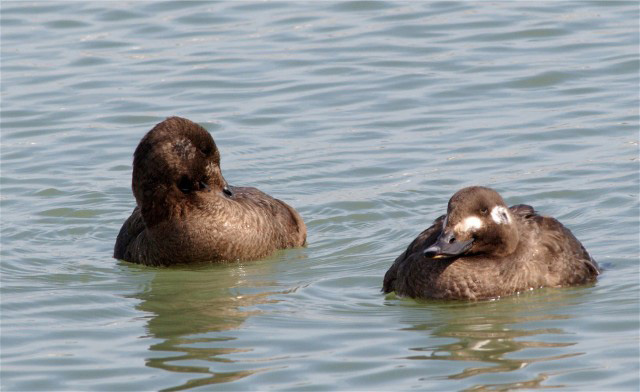
This picture of Pale Purple Coneflower was also made with my 500mm telephoto lens. I was close to these blossoms and intentionally chose f7.1 as a shallow depth of field. The distant between the three flowers was less than the ducks, and 7.1 would never provide enough DoF to ever all three with focus. I then made sure that I focused on the first flower, so the other two would become softer as your eye traveled to the back of the photo.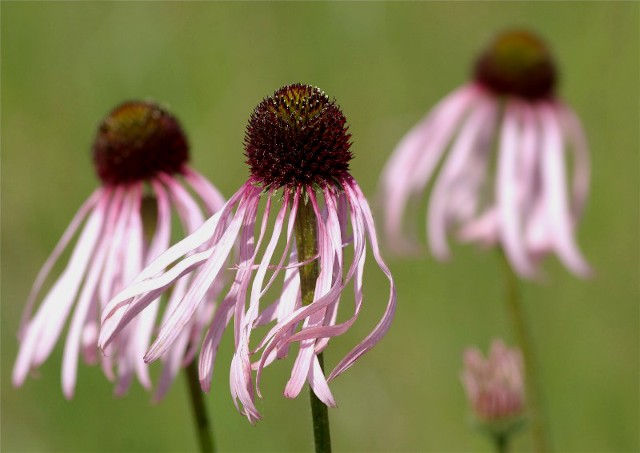
From a technical standpoint, backlit snow can be a problem. Keeping that backlight at a manageable level, and still leaving the snow the color of white, is difficult. The answer is to not worry about the snow being white. Snow is a mature subject that we all know is white. Those that have not seen snow in the real world have seen pictures, in which a front lit snow was indeed white. This is one of those times when artistic interpretations are always acceptable. The image below was made just after sunrise and it was a far better choice to keep the color of those upper branches consistent with the pretty light, and let the snow fall where it may.
My favorite North American herd mammal is the Pronghorn. They look like they belong on the African Serengeti. In fact that is where their nearest relatives reside. I have seen several thousand at a time in Eastern Wyoming. The male Pronghorn below is the first that I have ever “gotten to know“. He and a small herd live in north central Colorado and I was privileged to observe and photograph “the king” 3 or 4 times in a two-week period. This photo was made in July well before the rut, but the king still kept a knowing eye on the females and babies. He lived alone, but within sight of the herd. One morning the king was resting on his throne when the other part of the herd, mainly bachelor males, got a little too close to those ladies, and the king simply stood up and looked at the bachelors. Wisdom is the better part of valor and all 12 males decided to leave the premises. These wild friends of mine are a special part of my memories of my own days living the wild life.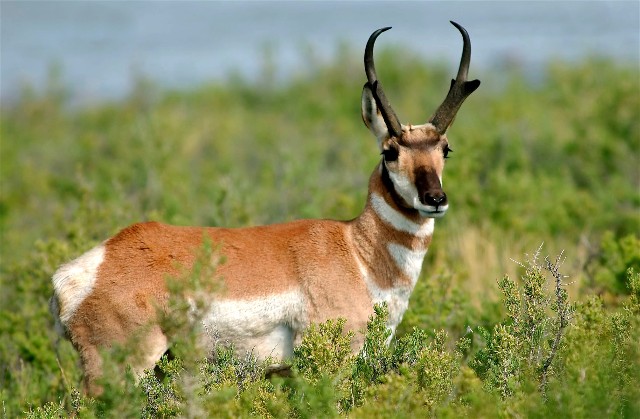

I probably have more bird flight shots where they are flying away from the camera, than towards it. These images actually work well when the landing gear is coming down. Picture this New Mexico’ Snow Goose in the same position with its gear still up. That would be a much weaker image.
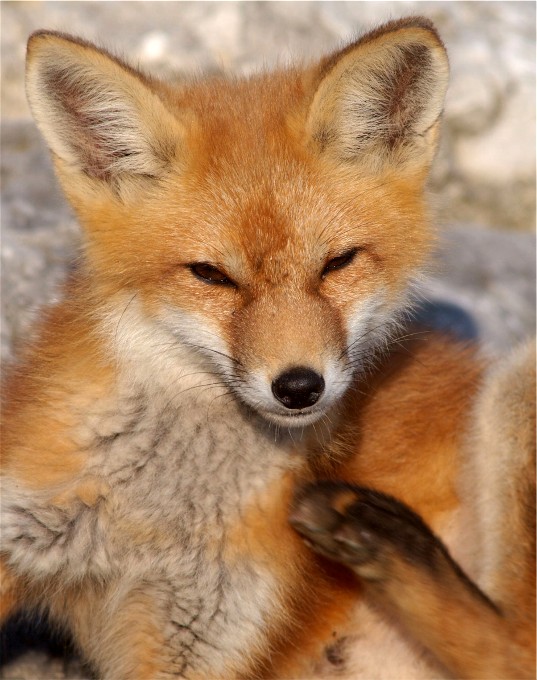
No matter how many Red Foxes I have seen and photographed, I never tire of another fox shot, whether they are mine or those of others. This kit fox was the last one that I had the opportunity to photograph multiple times.
As a photographer, I have always been an equal opportunity believer in nature photography as art, or natural history. I caught these Bank Swallows feeding at the nest well over twenty years ago. I have made better shots in recent years, but nature photographers are allowed to be sentimental, and “my first” still brings back fond memories.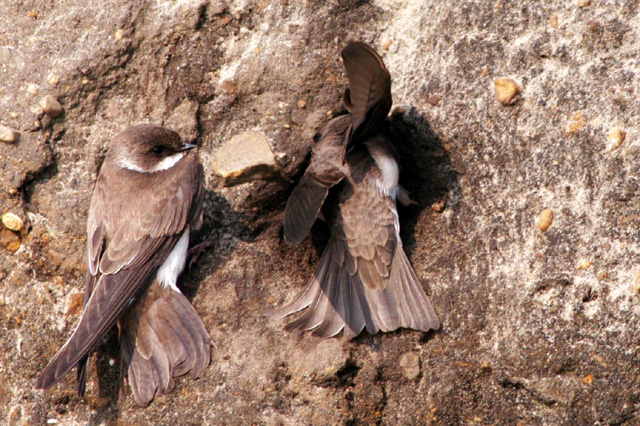
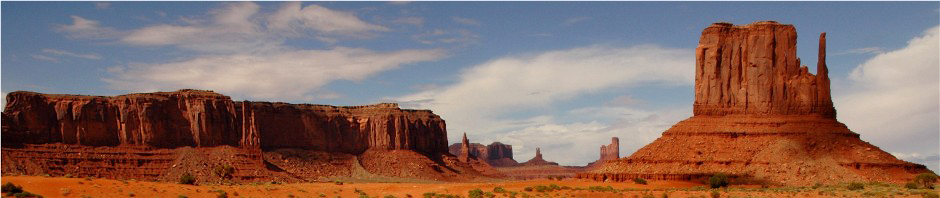
In recent years while there has been little travel on my part, I have still managed my share of good local pictures of birds and mammals, as well as many images of nature’s flora and fauna in the macro format. The single most difficult part of “my sentence” to local photography has been the absence of the western landscape in my life. So I part with a shot from White Sands, New Mexico, and two images from Monument Valley, Utah, Arizona
This White Sand’s image has never been shown. It is similar to others that I have shown except, the clouds play a large role in this photo, and the texture and patterns in the sand differ from others.
These two MV pictures have been shown before and display a difference in light on the sandstone rocks. The first image was made in fairly late afternoon and the second was made closer to dusk.

Check out Thoughts Behind Pictures http://wp.me/pXX8j-2bE
I thank each of you for visiting Earth Images and wish you much good fortune.
 Earth Images Blog by Wayne Nelson