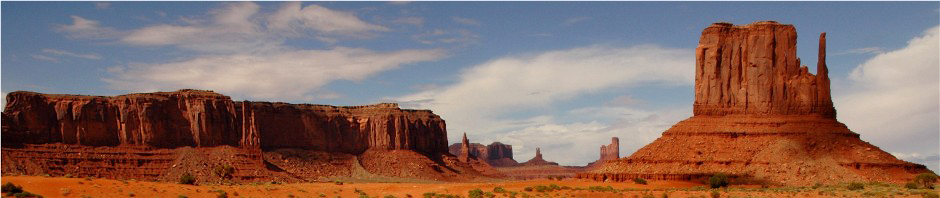
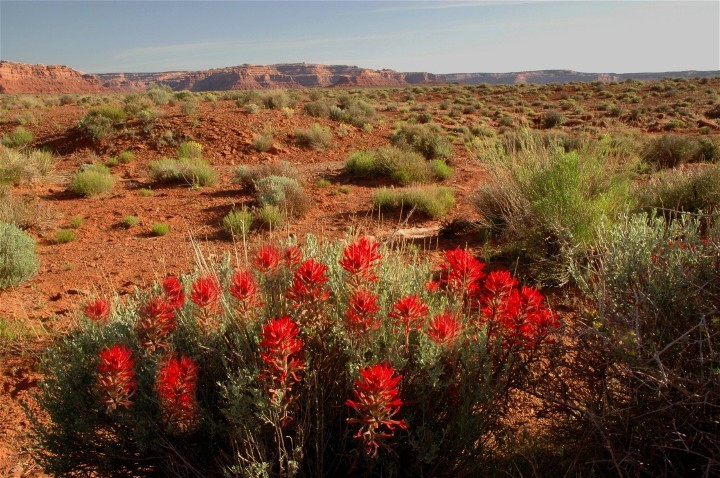
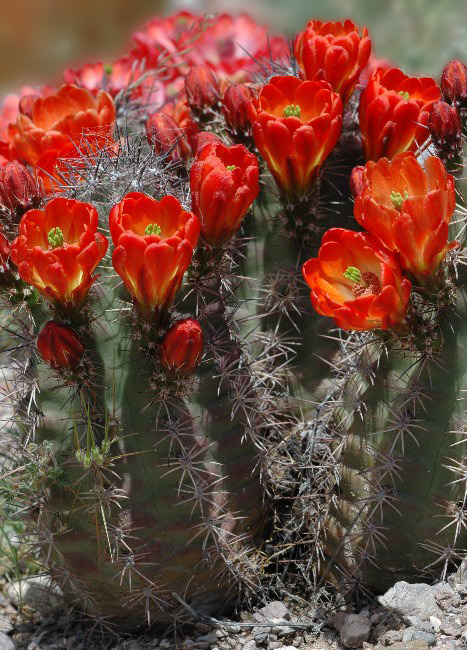
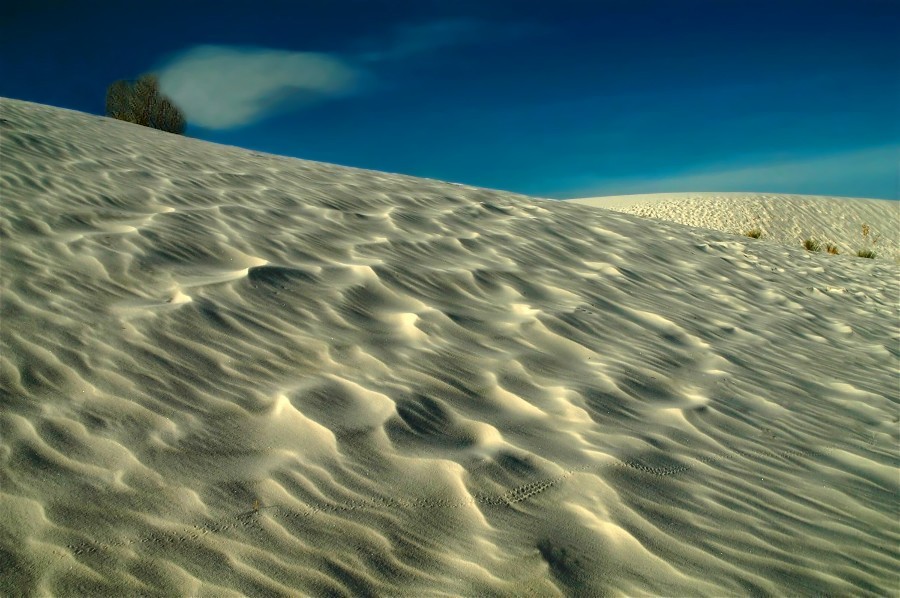
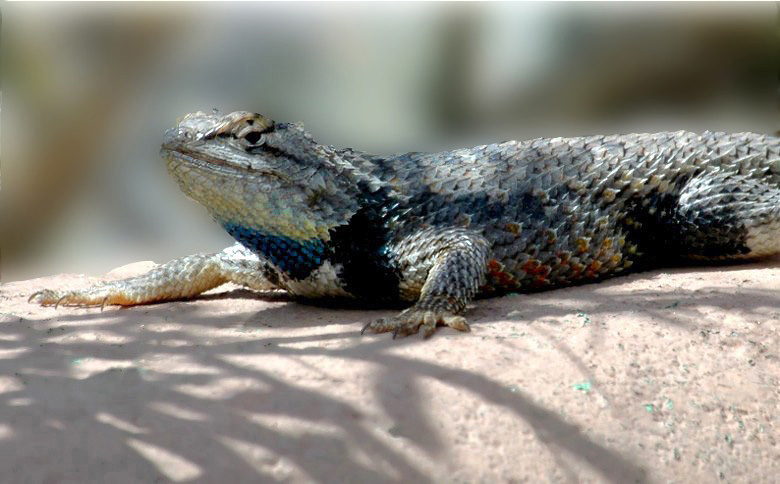
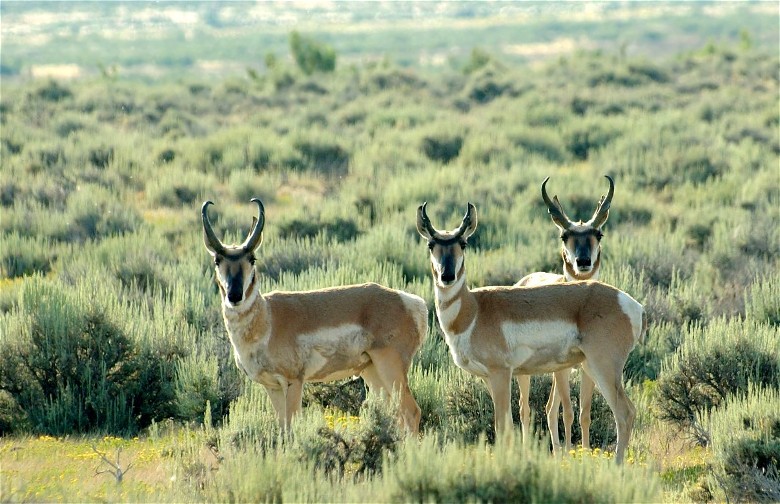
| An easy definition to describe a desert is an environment where the evaporation exceeds the rainfall or a place that receives less than 2 inches of rainfall a year. This means there are deserts on the 5 major continents.Man has not yet conquered the desert. He has irrigated areas along the Nile River, and in Babylon, but areas as Lower California are still as they were when the Europeans discovered it with the exception of encroachment along the shore. Places like the Dead Sea and the Great Salt Lake have water running into them but no exit and thus with the evaporation become salty. The Sahara Desert is the largest and most known.It is difficult to write about the desert without getting involved with the plant life. There are areas where miles and miles of sand extend on and on and one never sees a plant. But when one finds plants they are often unique in many ways. These drought resisting plants are weird-looking. They can be as large as trees, yet they have no functioning leaves. Photosynthesis is carried out by the swollen water storing stems and the leaves have been reduced to spines to protect the plant from being eaten by most animals. Thick spongy stems have been developed in order to store water. This adds to their weird appearance. They tend to be very slow growing and have adapted to the most adverse conditions.The desert by day has high temperatures, clear skies, which means hot sun, and the other extreme at night with temperatures dropping sharply at night. The temperature change between day and night can be as much as 70 degrees. So beside the scarcity of water, temperature extremes become the problems of whatever lives in the desert.Despite the harsh environment, a number of animals have adapted to meet these conditions. Desert animals tend to be small. One does not find the large predators. The desert coyote is about the largest predator of the desert. The other animals……rodents, rabbits, make up the majority of the animal life. A number of birds, and snakes and lizards, and insects and arachnids are also abundant. All of these small animals are able to meet the extremes by burrowing and then choosing the times when they are active. The night time hours is when most animals are active. Because of this, most animals then rely on sound rather than sight as a means of defence. Thus when one sees the rabbit and the foxes, they all have big ears. They large ears can also serve as a means to help regulate temperature.Animals as the tortoise and the javelinas eat fleshy plants and get their water from these plants. The canids get their water from the blood of their prey. The rodents only eat dried seeds, yet they have adapted to these areas but it is stall a mystery where they get their water. Yet they have the same amount of fluid as a river rat. Snakes and lizards and deserts seem to be meant for each other. Lizards scamper everywhere. In actuality, lizards are not any more prevalent than in the forest, however, there is less plants and the lizzard are more easily seen. There are many snakes found in the desert as well even though they are less conspicuous. That is because they are well camouflaged, and often partially buried in the sand. Snakes are predators so the get their water from the prey they consume. Lizards too, are predators and get their water from the insects they consume. Snakes and lizards are cold blooded creatures. This means they can not regualte their body temerature internally. They come out in the sun after a cold night and allow the sun to heat up their body until they are at a comfortable temperature. Then they regulate it from there by visiting the shady spot. Most lizards have developed small fringes on their toes to help them scamper over the hot sands. They have also discovered how to burrow into the sand and lay to wait for the prey to come to them. Most of these have short legs or have lost there legs altogether, so they can speedily accomplish this task. The only poisonous lizards are the Gila Monster and the beaded lizard found in the Sonoran desert. Centipede and scorpions have a poisonous bite or sting. There are many poisonous snakes through out the deserts of the world. It can be said that venom is no handicap in the desert. In harsh environments it is possibly an unusual advantage for its possessor. Photos by Wayne Nelson
|
-
Recent Posts
Pages
Archives
- March 2026
- February 2026
- January 2026
- December 2025
- November 2025
- October 2025
- September 2025
- August 2025
- July 2025
- June 2025
- May 2025
- April 2025
- March 2025
- February 2025
- January 2025
- December 2024
- November 2024
- October 2024
- September 2024
- August 2024
- July 2024
- June 2024
- May 2024
- April 2024
- March 2024
- February 2024
- January 2024
- December 2023
- November 2023
- October 2023
- September 2023
- August 2023
- July 2023
- June 2023
- May 2023
- April 2023
- March 2023
- February 2023
- January 2023
- December 2022
- November 2022
- October 2022
- September 2022
- August 2022
- July 2022
- June 2022
- May 2022
- April 2022
- March 2022
- February 2022
- January 2022
- December 2021
- November 2021
- October 2021
- September 2021
- August 2021
- July 2021
- June 2021
- May 2021
- April 2021
- March 2021
- February 2021
- January 2021
- December 2020
- November 2020
- October 2020
- September 2020
- August 2020
- July 2020
- June 2020
- May 2020
- April 2020
- March 2020
- February 2020
- January 2020
- December 2019
- November 2019
- October 2019
- September 2019
- August 2019
- July 2019
- June 2019
- May 2019
- April 2019
- March 2019
- February 2019
- January 2019
- December 2018
- November 2018
- October 2018
- September 2018
- August 2018
- July 2018
- June 2018
- May 2018
- April 2018
- March 2018
- February 2018
- January 2018
- December 2017
- November 2017
- October 2017
- September 2017
- August 2017
- July 2017
- June 2017
- May 2017
- April 2017
- March 2017
- February 2017
- January 2017
- December 2016
- November 2016
- October 2016
- September 2016
- August 2016
- July 2016
- June 2016
- May 2016
- April 2016
- March 2016
- February 2016
- January 2016
- December 2015
- November 2015
- October 2015
- September 2015
- August 2015
- July 2015
- June 2015
- May 2015
- April 2015
- March 2015
- February 2015
- January 2015
- December 2014
- November 2014
- October 2014
- September 2014
- August 2014
- July 2014
- June 2014
- May 2014
- April 2014
- March 2014
- February 2014
- January 2014
- December 2013
- November 2013
- October 2013
- September 2013
- August 2013
- July 2013
- June 2013
- May 2013
- April 2013
- March 2013
- February 2013
- January 2013
- December 2012
- November 2012
- October 2012
- September 2012
- August 2012
- July 2012
- June 2012
- May 2012
- April 2012
- March 2012
- February 2012
- January 2012
- December 2011
- November 2011
- October 2011
- September 2011
- August 2011
- July 2011
- June 2011
- May 2011
- April 2011
- March 2011
- February 2011
- December 2010
- November 2010
- October 2010
- September 2010
- August 2010
- July 2010
- June 2010
- May 2010
- April 2010
-
Join 102 other subscribers
 Earth Images Blog by Wayne Nelson