Imagine trying to describe a waterfall or a cascade to someone who has never seen in person….. Waterfalls are best experienced in person in 3-D. They have to be seen and heard, even photographs of waterfalls cannot really do them justice. However, a photograph for me is still more appealing than the words of a poet or prose. I feel that our Creator made them to be personally experienced to create a reason for us to go out and enjoy them. He meant for us to relish nature’s marvels with awe, thus to be reminded of his omnipotence.
Waterfalls and cascades concentrate the magic of water into a sensory exploration. The wetness of the mist cools the skin. The roar of the crashing water drums in the ears. The sight of the entrancing, moving water captivates the mind as it were causing it to push aside all other thoughts. The fragrance of the lush green vegetation nearby denotes life-support of the simplest means. The taste of the cool, clear, crisp water (drinking from any stream, without proper purification, is not recommended in this day and age) refreshes the weariness from one’s trek to see these masterpieces of creation. All of the senses–sight, smell, hearing, touch and taste– are engaged.
Falling water has two distinct sounds: the crashing drums in the ears as it lands on the rocks or in the pool beneath the falls. It also has a sshsshsshsshwitshing sound as it passes over the rock ledges on its way down. This sound can block out all the other sounds……one can hear nothing but water…….no birds, no wind, not even conversation. And did you know? Briskly moving water and waterfalls create a most helpful form of oxygen that is actually electrically charged. It imparts for a very brief time, a different oxygen molecule called the “O dot negative oxygen” to the atmosphere. This oxygen molecule, in small quantities in the air we breathe, increases the quality of exceptional vigor and strength to both humans and animals and plants. One feels renewed, ready to take up the battle of life afresh.
To clarify, the term “waterfall” is defined as water flowing over a cliff or rock in a vertical or free fall, whereas, a “cascade” is water rushing down rocks and rocky ledges. There are definitely two different phenomenon, even though many falls incorporate cascades and many cascades incorporate many small falls, thus making it difficult to distinguish between the two for a positive differentiation.
Waterfalls are commonly formed when a river is young. At these times the channel is often narrow and deep. When the river courses over resistant bedrock, erosion happens slowly, while downstream the erosion occurs more rapidly. As the watercourse increases its velocity at the edge of the waterfall, it plucks material from the riverbed. whirlpools created in the turbulence as well as sand and stones carried by the watercourse increase the erosion capacity.This causes the waterfall to carve deeper into the bed and to recede upstream. Often over time, the waterfall will recede back to form a canyon or gorge downstream as it recedes upstream, and it will carve deeper into the ridge above it.The rate of retreat for a waterfall can be as high as four feet per year.
Often, the rock stratum just below the more resistant shelf will be of a softer type, meaning that undercutting due to splash back will occur here to form a shallow cave-like formation known as a rock shelter under and behind the waterfall. Eventually, the outcropping, more resistant cap rock will collapse under pressure to add blocks of rock to the base of the waterfall. These blocks of rock are then broken down into smaller boulders by attrition as they collide with each other, and they also erode the base of the waterfall by abrasion, creating a deep plunge pool or gorge.
Streams become wider and shallower just above waterfalls due to flowing over the rock shelf, and there is usually a deep area just below the waterfall because of the kinetic energy of the water hitting the bottom. Waterfalls normally form in a rocky area due to erosion. After a long period of being fully formed, the water falling off the ledge will retreat, causing a horizontal pit parallel to the waterfall wall. Eventually, as the pit grows deeper, the waterfall collapses to be replaced by a steeply sloping stretch of river bed .
A river sometimes flows over a large step in the rocks that may have been formed by a fault line. Waterfalls can occur along the edge of a glacial trough, whereby a stream or river flowing into a glacier continues to flow into a valley after the glacier has receded or melted. The large waterfalls in Yosemite Valley are examples of this phenomenon, which is referred to as a hanging valley. Hanging valleys may form where two rivers join and one is flowing faster than the other.
The amount of rainfall determines the volume of water flowing over the face of a falls. Spring is usually the best time of year to visit the falls is gushing with the spring rains and the snow melt from the surrounding area. In the summer the falls can be reduced to a trickle, diminishing its beauty. In spite of decreased volume the glorious colors of fall enhance the scene. And of course, winter snows bring a beauty all its own……pristine whiteness and icicles hanging along the edge of the falls.
The roar of the water falling EXUDES power. There is a waterfall in Africa which can be heard over twenty miles away from the falls itself. The tallest falls is in South America and is called Angel Falls. It has a drop of 3200 feet. There are waterfalls on every continent and even the small ones exude power in their own way. The tallest falls in the United States is in the Cascade Mountains in Washington State. It is almost 2600 feet. Victoria Falls in Africa is the largest of all the falls. It is a mile long. The lower Yellowstone Falls is the most photographed. Each falls has its own claim to fame.
As Loren Eisley states, “ If there is magic on this planet, it is contained in water and its fall.” Water certainly does seem to display magic in the rhododendrons, ferns, and wildflowers that grow next to the falls. Deer, bear, beaver, salamanders, birds, and fish are only a few of the many animals that rely on its life-giving streams.
Photography by Wayne Nelson
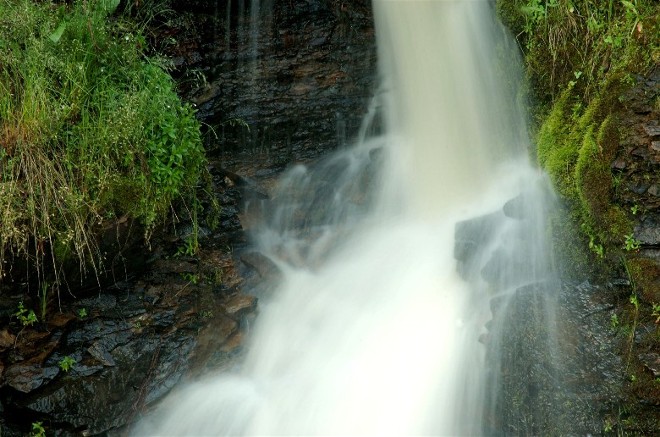
Northern (inner) Forest Waterfalls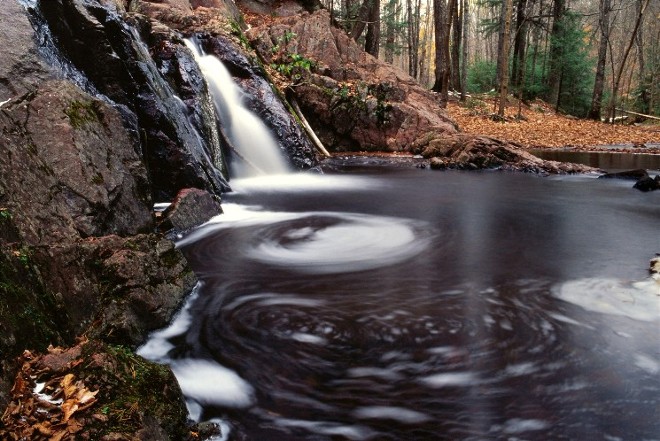
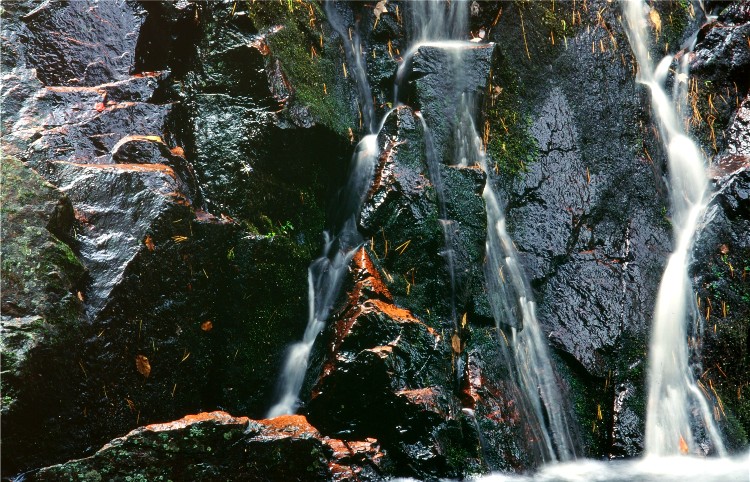
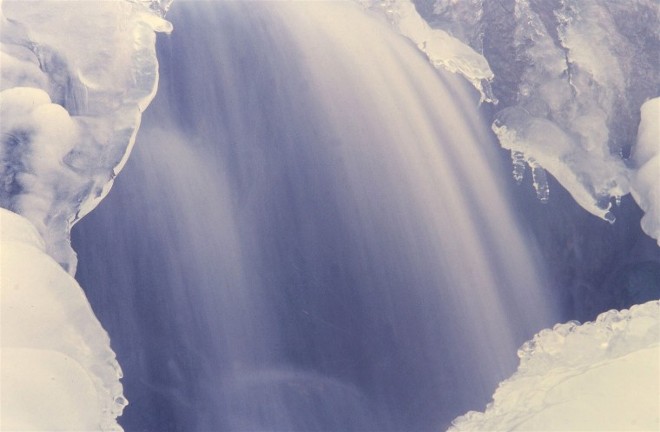
Northern (open area) Forest, Waterfall & Cascade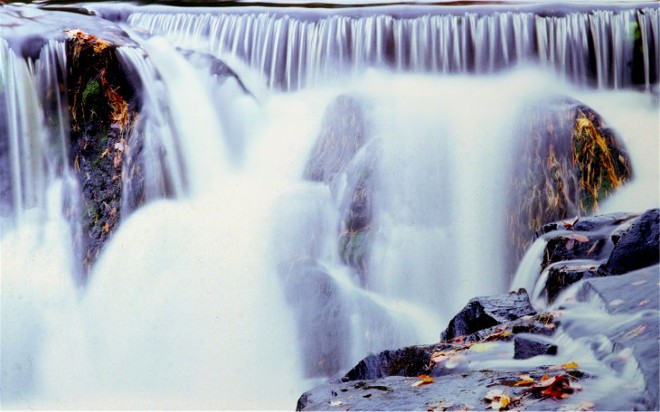
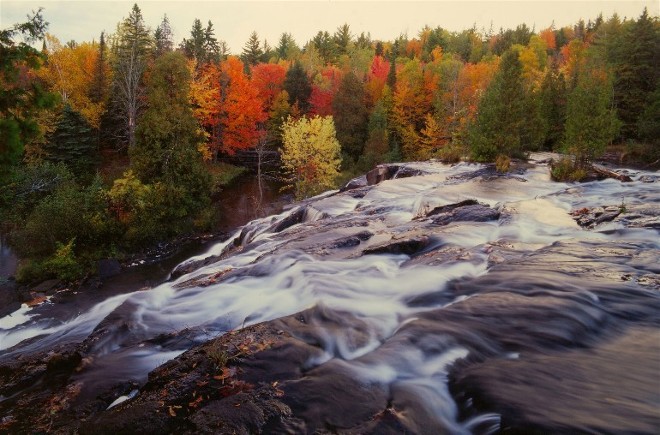
Southern Mountain, River/Cascade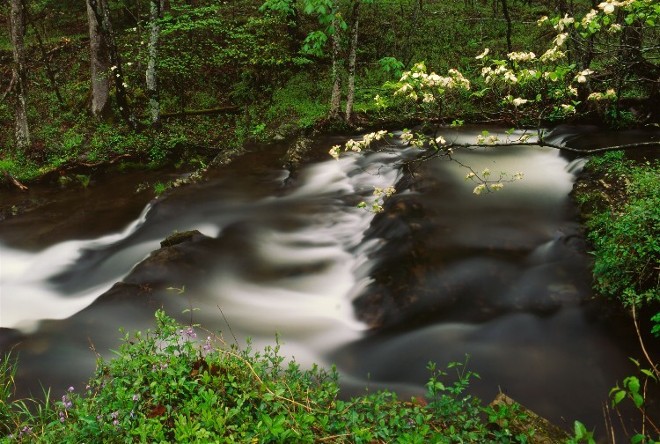
Western Mountain, River & Waterfall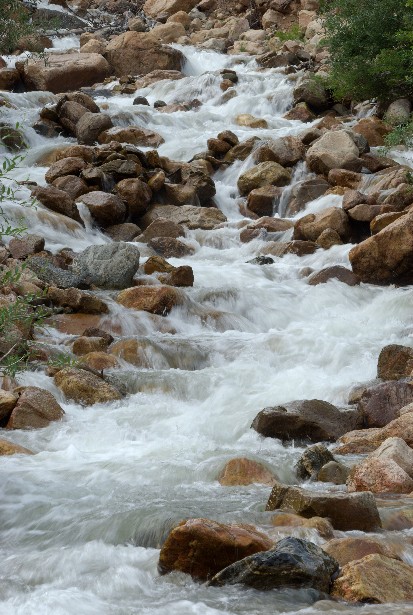
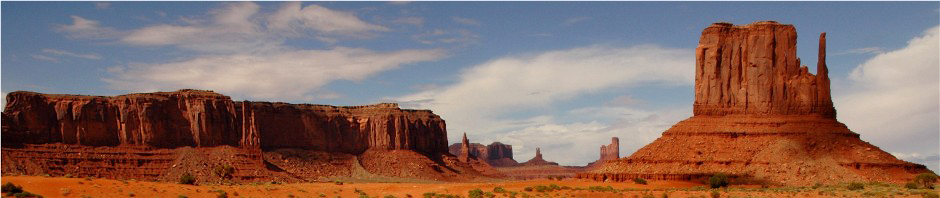
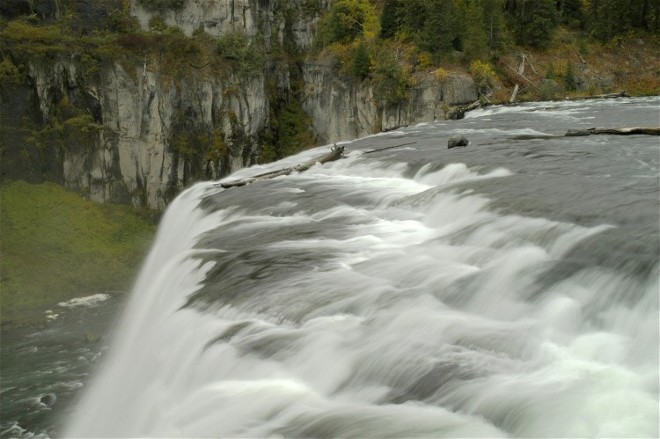
Western Waterfall, Prairie/Mesa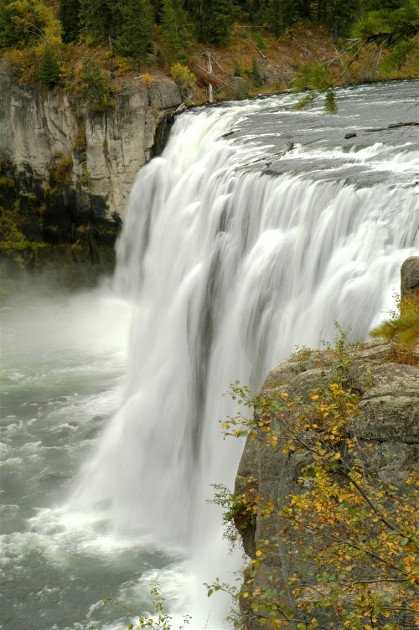
 Earth Images Blog by Wayne Nelson