I had a recent email communication with a photo editor that I knew during my previous life as a stock photographer. The last time I wrote about this subject I mentioned that I would not write about it again but I never thought I would be exchanging words again with someone in her position.
The basics remain the same. There are of course a kagillian (a new word) new photographers every day trying to get published. Most of the top magazine and book publishers continue to work off the same photographer lists that they have for years. In other words they stick with the pros (and semi pros) that they have been using until they hit a dead-end in a search for a specific image and then they usually turn to the top stock agencies in the business. Not the $1 a click sites. They have proven to be faithful to those who have come through for them before. This is good news for those of you trying to break in. I know it does not sound that way. It means that once you make it with a specific publication they will not abandon you. The next section comes from the info my friend gave me and it comes from my experience as well.
If you are going to be a nature specialist you had better have a complete stocklist if you ever want to earn a living at this. If birds of prey are your thing then every type you can think needs to be in your files. They should be flying upside down and backwards in some of your files. I am saying you cannot earn serious money as a specialist unless your image files are better and deeper than almost everybody elses. My personal belief is that it is foolish to be a true specialist. If you are a wildlife photographer make sure that you understand that insects and spiders are wildlife. Frogs, snakes and turtles are wildlife. They are often food for other animals. While you are down there with that frog maybe you might want a photo of that marsh flower. As long as you are at the marsh maybe a nice afternoon landscape of the place. You are now beginning to put yourself in position to sell them something for that article about that marsh. You may even be able to sell them everything. While you are making those story telling images about the marsh and its inhabitants, make sure you concentrate on a few images that are artful and unique. Even if you never get the itch to sell a fine art print there are still major calendar companies out there. Those images are (usually) fine art. Calendar sales are “stock photography”. My true suggestion is that if you want to be a specialist be a specialist in nature. All of nature! Even then when you see something out of nature that you find interesting, make pictures. The job of any photographer is to find and photograph subjects that are interesting and photogenic. You are a photographer.
When the internet and then digital photography came into being I knew that the simplicity of it all would bring a lot of new photographers to the market. It has done that and many are superb photographers. I did not however know just how little stock photography would actually change.
The stock business is difficult. Everybody in this industry works hard. They and you will constantly be up against deadlines. I would suggest to expect seven day weeks and 14 hour days. In the end there is nothing like knowing your images will be coming out in the next issue of Birder’s World or Sierra Club. Good fortunes to you.
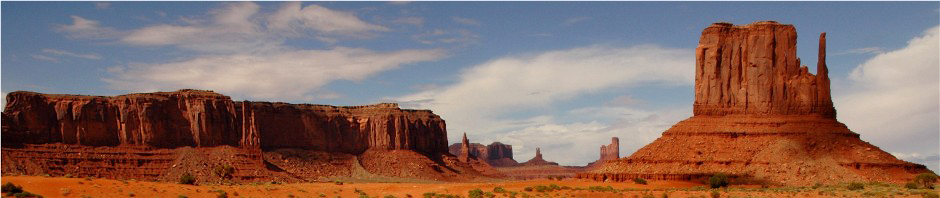
The one landscape destination that I was able to make the most images at in one day, was Monument Valley. Multiple light conditions including storms made for a great variety. The image below was made near the end of the day. The two distant rock forms are called The Mittens and are well-known. The two closer rocks are near the entrance/exit of the roadway into the valley. I enjoyed this 2005 visit so much that I created pictures in the digital, 35mm slide and 6×7 cm transparency formats.
Okay I admit that I am off-season again. If landscapes are your thing and you don’t get to travel much, I wish for you the joy of living somewhere with four (at least) distinctly different seasons. The picture below was made in much the same way a lot of my autumn images are made. A simplified composition made of a few tree trunks and some snow-covered, rather than fall colored, branches.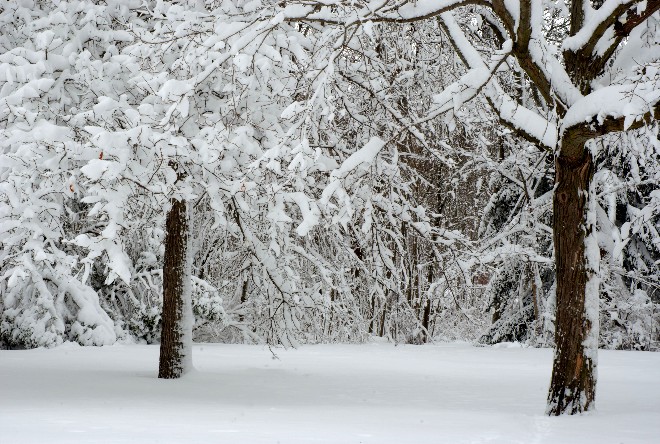
Of course “that other ” season has great benefits such as this artistic little butterfly called the Wood Nymph.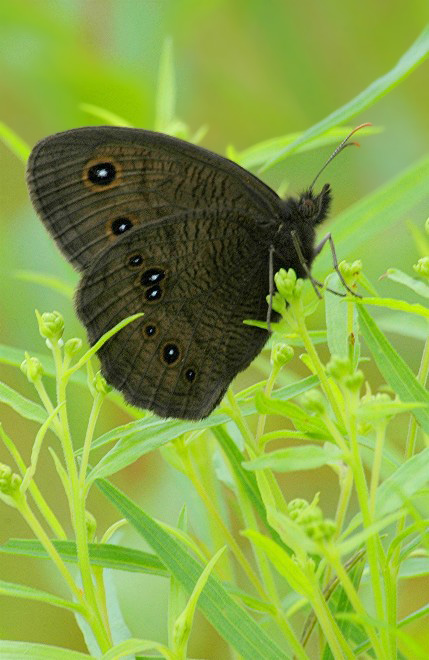
One of my favorite days was spent high in the Rocky Mts. with a critter called the Yellow-bellied Marmot. These Woodchucks were fairly accepting of my presence and I was delightfully entertained.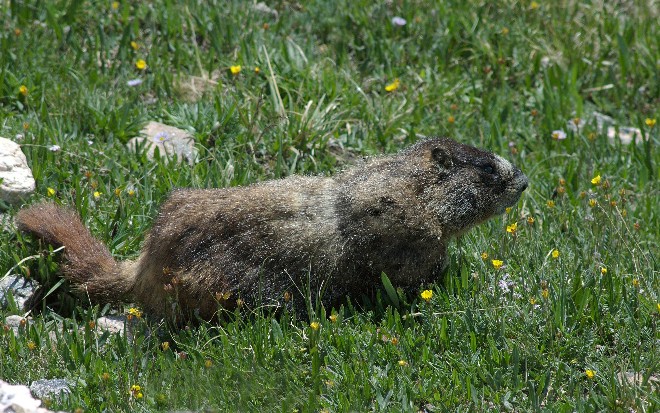
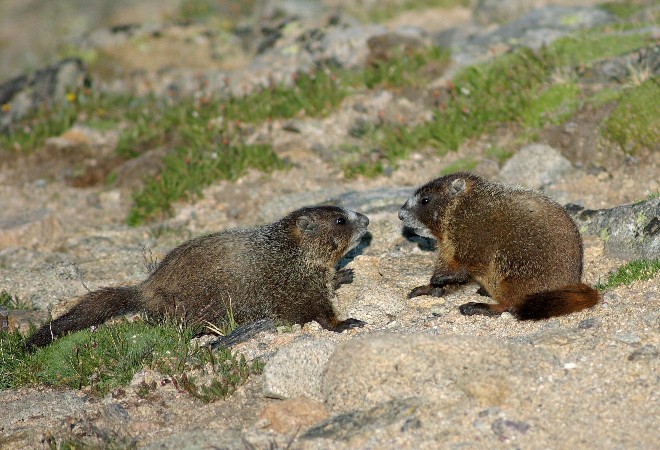
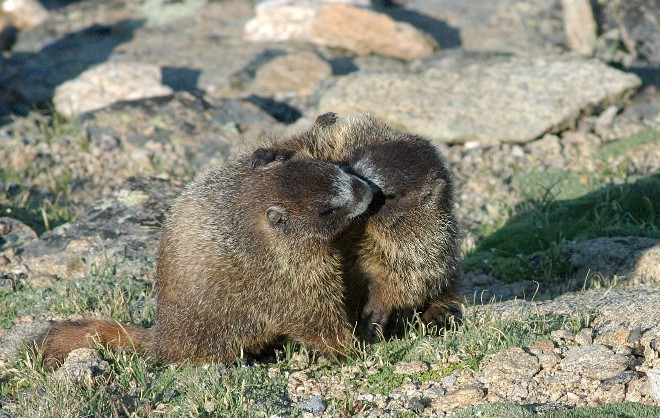
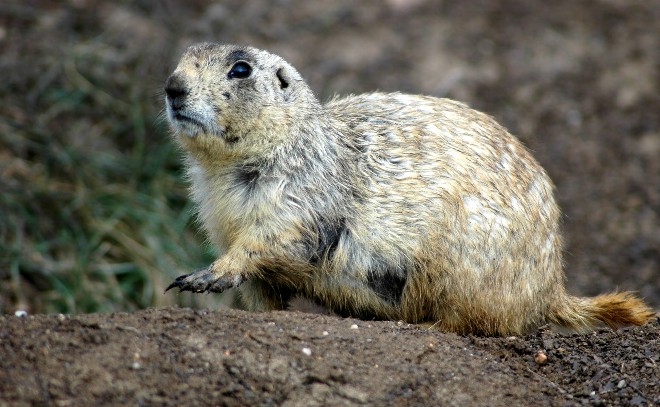
The two images below were made in Colorado and are good examples of the teacher not following his own rules. I always attempted to impart the importance to my students of knowing your camera settings and making sure they were where you wanted them before you pulled the trigger. The pictures below were made with my file size settings at basic jpeg rather than RAW or at least the large jpeg. All of the pictures that I made with that camera on that day were made this way. I finally realized (too late) that my 1g (2005) cards were giving me far too many pix. I did make some images of the Badger in 35mm slide format. I have copied several of them into digital RAW and they are of higher quality. Such is not the case with the White-tailed Prairie Dog but I have photographed many more of these since 2005.
Colorado has always been good to me whether it be wildlife, landscapes or a place to live. While Wisconsin is a fine place I really did not want to return to my native state as CO fits who I am a little better. It was unfortunately a necessity.
 Earth Images Blog by Wayne Nelson