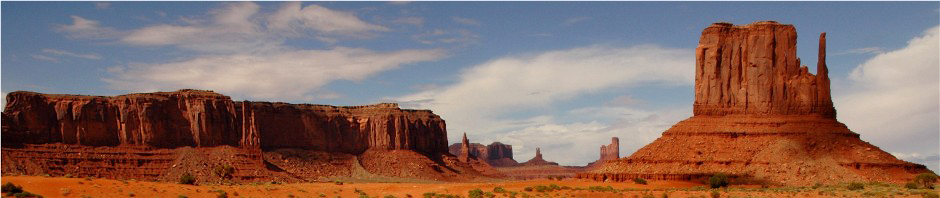
When I look back over all of these varied nature images that I have created through the years, it begins to look like a tour of the natural world. There are a lot of subjects in those files and I tend to photograph each subject in a several different ways. Actually I can think of no description that pleases me more than to say that you can take a tour of nature from within my picture files.
I definitely am missing many subjects within each category of nature. I have not photographed every bird. Or every mammal. Or every flower. Or every insect. Or every location. I have however managed to photograph something in each category and a small number of those are shown below.
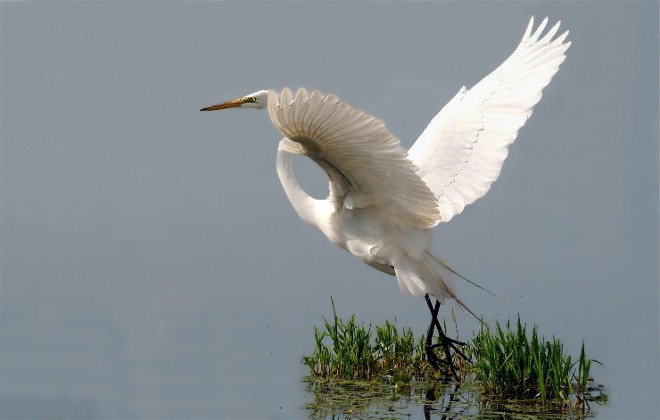
Great Egrets.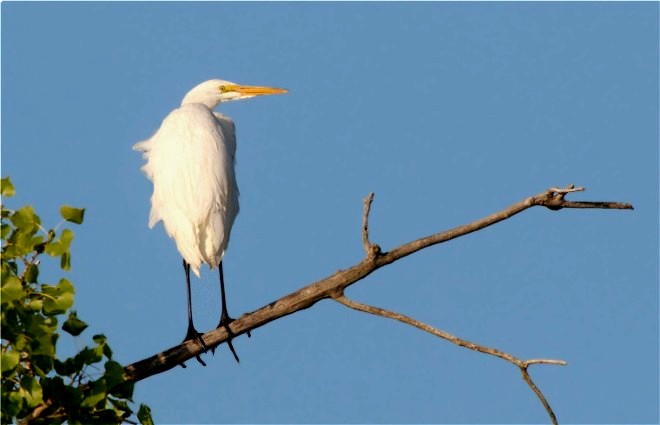
I have given a lot of advice through the years and much of it was about guiding photographers to make clean and simple images. Also to find subjects, be they flowers, butterflies, birds etc. in good condition. Photogenic subjects. That advice is usually given to new photographers who get so wrapped up in the subject that they really don’t notice the details. It is good advice but to experienced photographers I have tried to suggest that everything in nature in every condition needs to be photographed. There are stories to be told and someone needs to tell them. The male Canvasback duck below is in molt and is missing its tail feathers. This photo of the bird with its rear end facing the viewer has information to impart. It isn’t always about pretty. Logically it takes the same photographic skill to photograph an ugly subject as it does a good one. Of course the bird in molt or the tick ridden fox, or the insect ravaged flower, will not be destined to become an art print.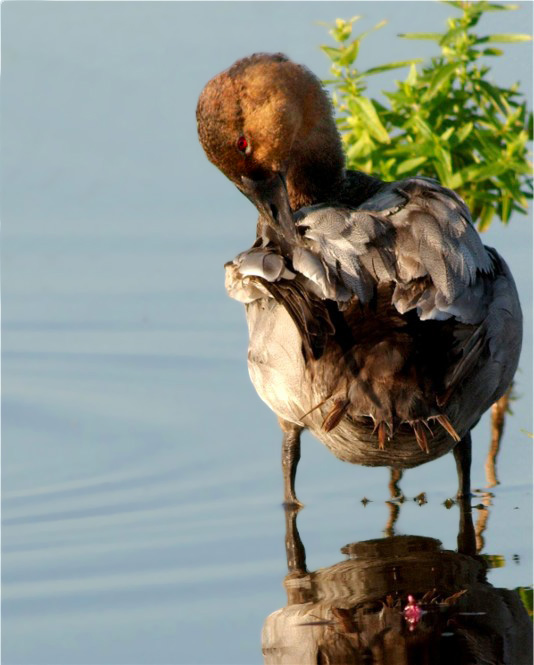
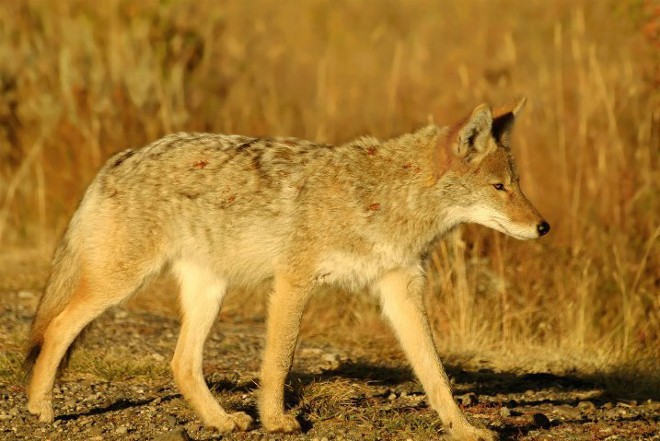
Certainly the two most photographed types of wild canines in North America are the Red Fox and the Coyote. Red Foxes are fairly easy but Coyotes unless they are in protected areas are quite wary. They are still persecuted and killed and they are good at staying out of sight. Wolves are being photographed a bit more than they used to be but are still a challenge. Gray Foxes are as easy as Red but they are few in number. I have more Red Fox photos than I can ever show, but my only good Coyote shots were in Yellowstone N.P. where they are as easy as city foxes. My only Gray Fox images were made in a zoo. Unless a photo editor wants to use them (labeled properly) I do not count zoo shots. I have made one sharable wolf image which was taken in Wisconsin. Only one sharable Desert Kit Fox image from Arizona. That’s it. The fox image below was made in Illinois and the Coyote was photographed in Yellowstone.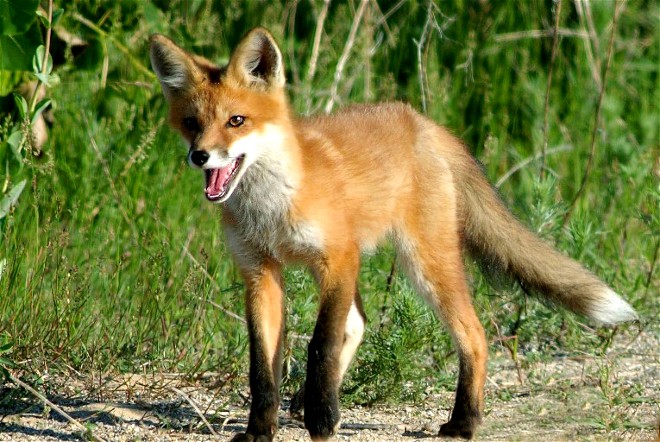
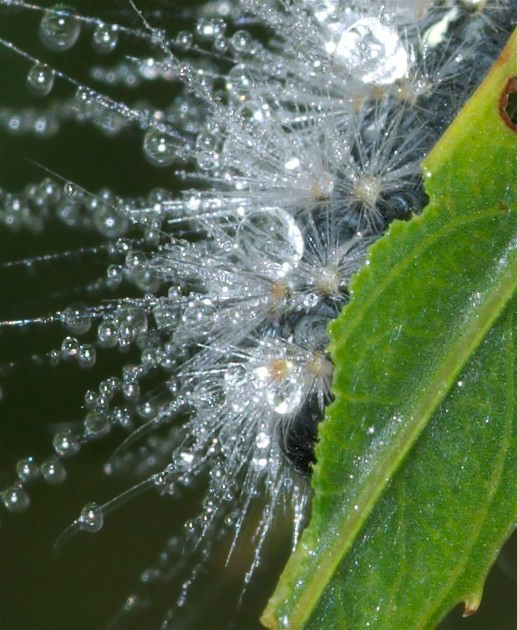
Many nature photos can serve multiple purposes. I’ve spent years photographing caterpillars but I do not think most of them can be doubled as abstracts. They are usually pretty straight forward. Found this pretty little “toilet brush” type cat covered with dew a few years ago.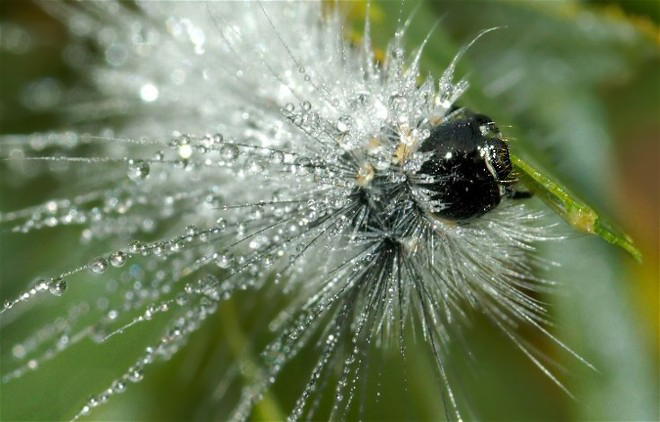
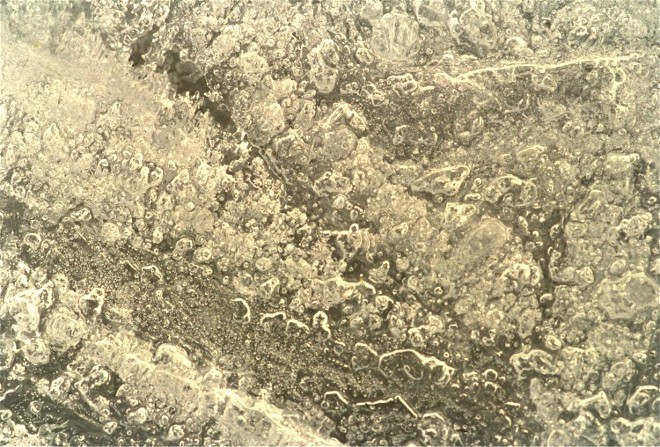
There was a time when I could spend eight hours a day on my hands and knees photographing patterns. Patterns of everything in nature and several things not in nature. One of my favorite subjects are lichens. These primitive plants slowly break down the chemistry of rock and other minerals. It turns a fraction of an inch at a time into soil. Plant rearing soil. I love beauty with a good story. During the bleak days of winter I found ice to be a great subject. Patterns, patterns and more patterns. 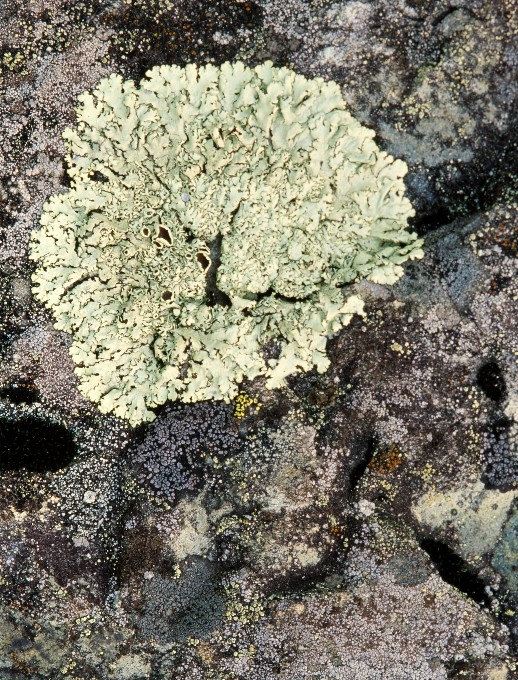
The technology of photography has changed during my photographic life. The image below is a High Dynamic Range (HDR) photo. It was made with Photomatix Pro 3. In my opinion about 75% of all HDR images in the market are bad. They are so overdone in color saturation that they appear to be cartoons. This can be a problem when you combine several images over the top of one another. HDR imagery does have a useful and realistic purpose. When contrast ranges are beyond the capability of camera sensors or film, you simply have to bracket several images of the exact same scene. If you have a lot of deep shadows in your scene make several increasing overexposures. Make one that is the perfect exposure for the highlights, and at least one that underexposes those highlights. In your HDR software combine three or four images. You have to experiment with the type of software you own. Go slow and easy in the various adjustments that add color and saturation. The other use is to take one single picture file and carefully add some life to a flat image. The Colorado scene below was beautiful, but a slight haze made for a finished picture that was flat and did not show the glow that the actual light presented to my eyes. If I merely added contrast then the more colorful parts of the scene became overly saturated while the rest remained flat. I made two digital copies of the original. One darkened and the other lightened by the same amount. When I combined the three files in Photomatix I went very easy on all color and light adjustments. The scene below is remarkably close to the way it looked to my eyes.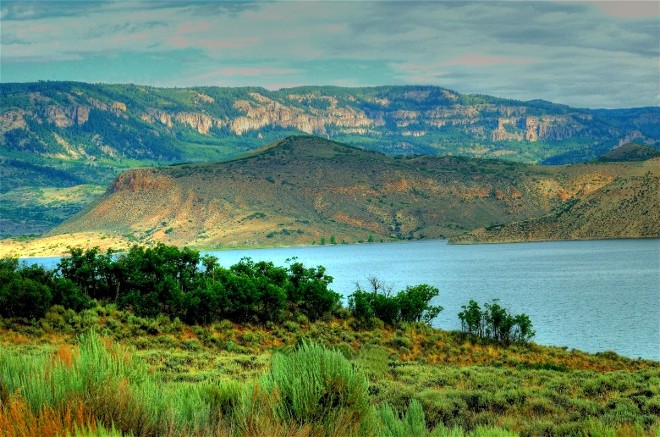
My first love in nature photography was sunrises/sunsets. The picture below was made in Wisconsin.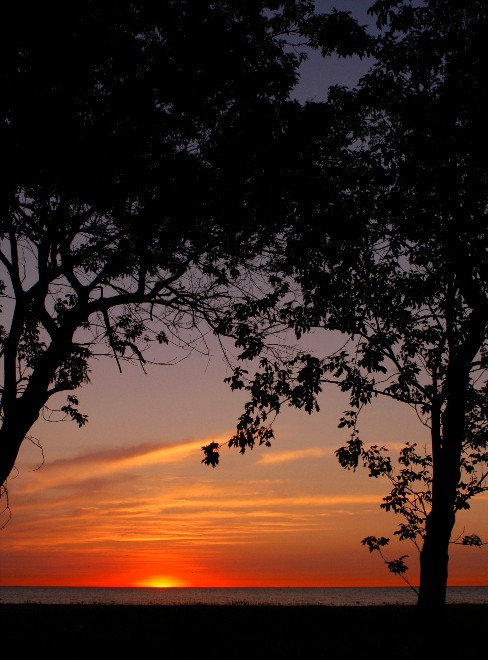
 Earth Images Blog by Wayne Nelson