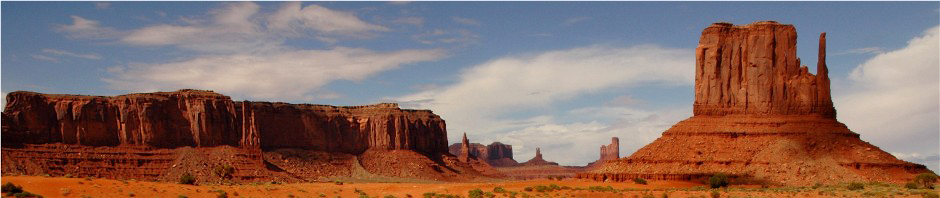
How To Treat The Sun…..Rising & Setting
One of the most popular forms of nature photography is making pictures of the rising and setting sun. I used to brag that I had the largest files of stock photo sunrise/sunset transparencies in the U.S. Then someone explained to me about the files of Galen Rowell, Art Wolfe and John Shaw. Well I do have a lot of them.
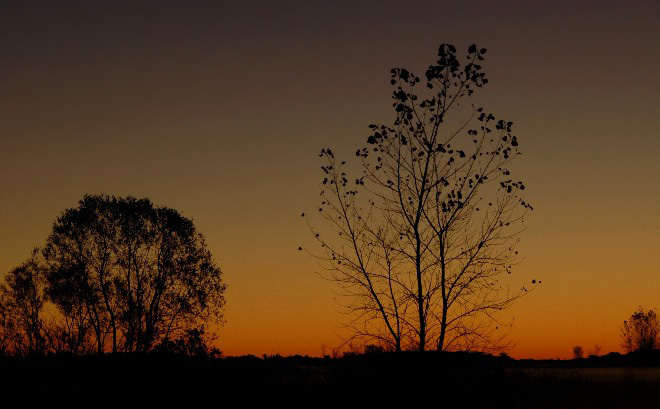
Silhouetting objects is a popular and powerful use of the colors of sunrise/sunset. There is a myriad of ways to do this. The first image is a sunrise of a Utah rock form in The Valley of The Gods and the second shows a couple of trees at sunset on a Wisconsin prairie. Notice that in the Utah image I did not divide the different parts of the image down the middle. I also moved the rock form itself well off-center. Centering your silhouetted objects can be a way to often create a stagnant image. Notice I said it can be. There are exceptions to every rule.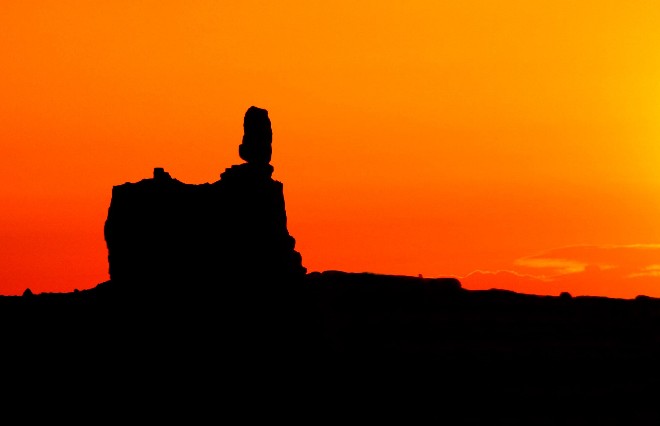
The next three images were all made at the same location and within a few moments of each other. The only real difference in these pictures is compositional choice.
In our first two photos all I really did is move the camera (on a tripod) down to change from an image that featured the sky to one that made the water and the reflection the primary point of interest.
 For the final of the three I increased the focal length from 18mm/25mm to 70mm and swung the tripod around to take advantage of a completely different section of shoreline. This image could have been taken at a different location or on a different day. I always made as many different comps and types of images of any given subject as my creative juices would allow for.
 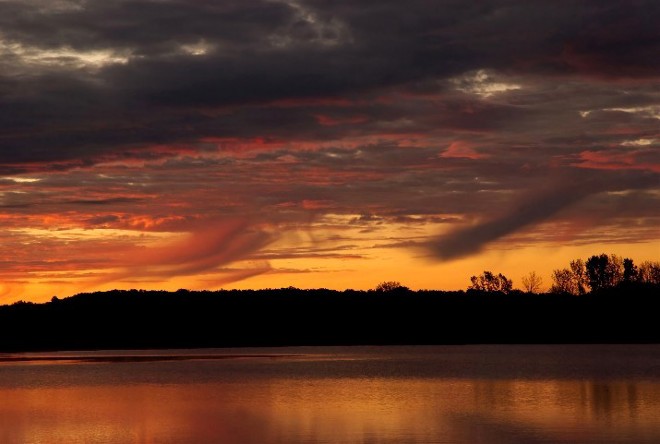 All three of the above images contain reflections and I will admit that they are a style of sunrise/sunset photography that I love dearly.
In the image below I show that reflections can be a distant and fairly small part of the overall scene. If it were not for the reflective lake I would have intentionally cut out all but a small portion of the dark foreground. That splash of color gave me a unique way to balance my composition.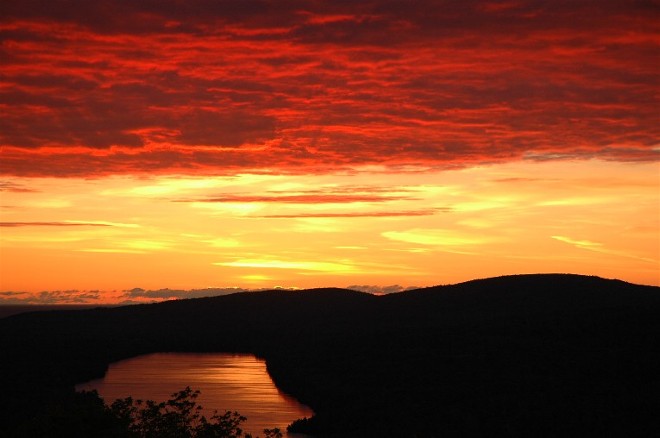 I previously stated that there are exceptions to every rule. In the sunset below I evenly balanced the trees and their reflections to create a mirror image. We have so many great choices to make when we are out capturing the glory of the sr/ss.
 There is certainly no reason that we have to include a lot of land or sea in our sr/ss reflections. I really like making the reflection itself the center of my image. In this case I needed to add a little exposure to the scene because I wanted some detail in the beach and rocks that surround this Lake Michigan tidal pool. I wanted this image to retain some of its sunrise mystery but to still show just exactly where it was made.
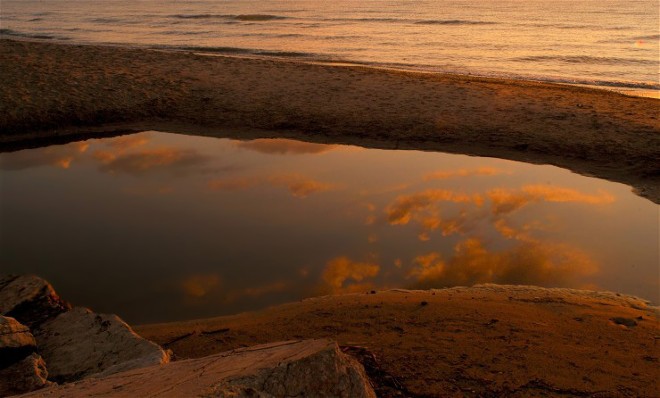 I was making some big telephoto (500mm f4) images one morning of just sun and sky and decided to go for a more unique (odd?) composition. In order to have my focus cover everything from that teeny bit of water in the foreground to the sun (infinity) itself, I needed to stop my lens down to f8. This will always result in an image where the sun (gasses) will be distorted as the light bends around the shutter and aperture. This was fine for me that morning as I was not looking for literal translations.
Through some past experiences I know what it is like to be a caregiver to someone who is unable because of disease, to take care of themselves. I would have loved to have had the help that Leeza Gibbon’s “Leeza’s Place ” gives. http://www.leezasplace.org/
 Earth Images Blog by Wayne Nelson