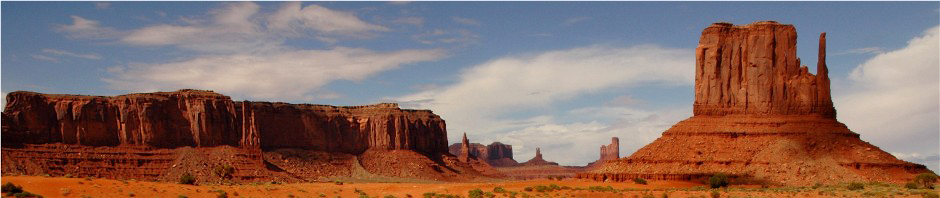
Please excuse me if I do not label all of my insect images the way I do with birds, mammals and places. My books are not with me and I struggle to remember all of those names. When they do occur to me they will be named. If in the future I write a natural history blog about insects then I will make sure that they are named.
It may seem obvious but it is true that a nature photographer has to keep making a lot of pictures to be successful. Especially if they are into stock photography. I also believe that constantly creating new work is how fine art photographers and even hobbyists stay motivated. If you are a landscape or a wildlife specialist and you do not pursue close-up photography……well…..shame on you. If you photograph little things you will never run out of subjects again. No matter where you live. When the insects and flowers are gone for the season I can assure you that ice patterns, leaf close-ups and bark textures will remain.
Today’s images are all insects and little creatures. Only a couple of today’s selections would qualify as art, but that’s okay with me. I always made sure that I kept creating images and sometimes I created art, and sometimes I didn’t.
Macro photography is the hardest of the three major types of nature photography. It is challenging to find your subjects alone much less get into position without frightening them away. If you want to make pictures of subjects that aren’t over photographed, macros are the answer. It is the final frontier in nature photography.
In addition to Nikon DSLRs, a bogen tripod a Nikon 105 Micro lens was used in most of these pictures. I made some images with a 300mm f4 macro lens, and a few with an old variable aperture 75-300mm limited macro.
Field Cricket with hitchhikers. Those hitchikers are likely wasp aphids. They are literally eating this cricket alive. I can assure that I could tell how much pain this insect was in. I almost put it out of its misery but my normal view is to always let nature take its course. What is happening in this photo is common and a source much greater than I created this scenario.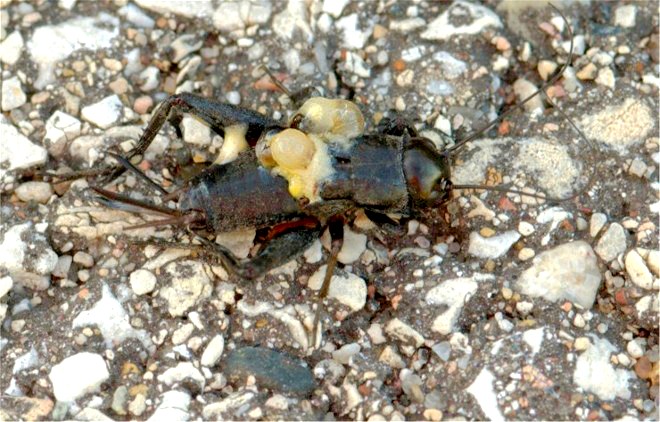
I love getting in really tight with small creatures. It is a bonus when they having breakfast as this caterpillar was.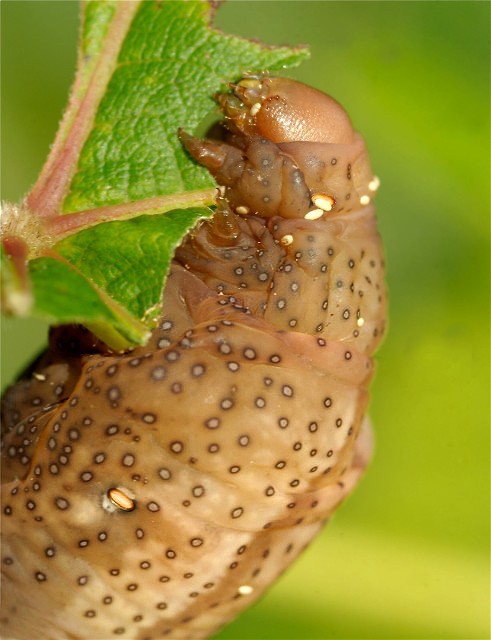
This caterpillar is keeping company with a small bee or Hover Fly.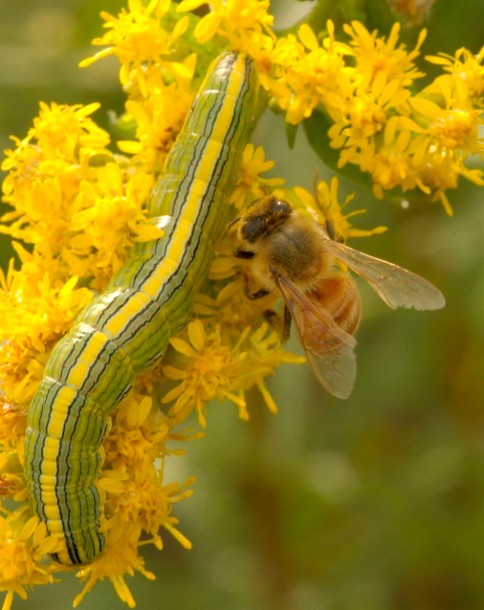 Certainly one of the most popular insect types for macro photographers is the dragonfly. They are colorful and fairly easy to photograph.
Male Blue Dasher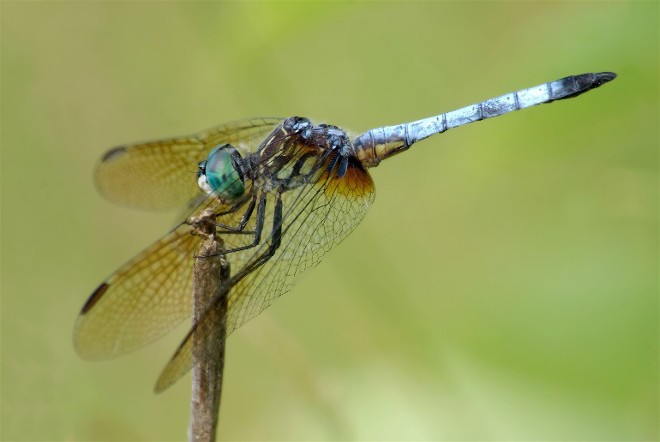
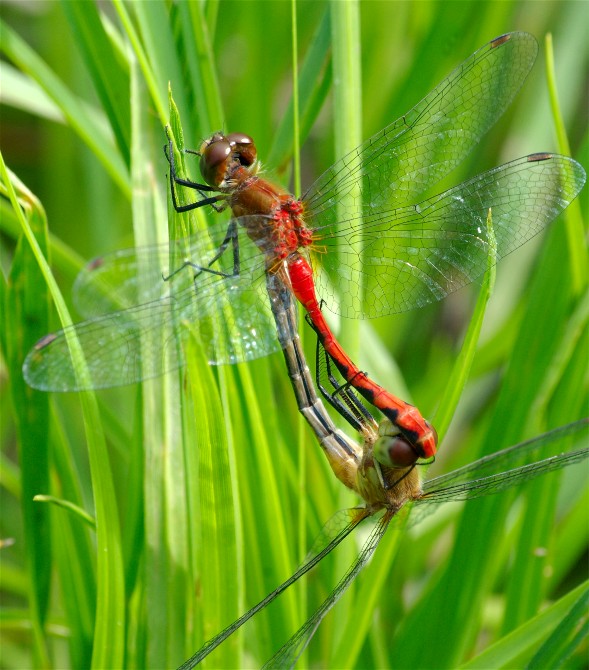
White-faced Meadowhawk
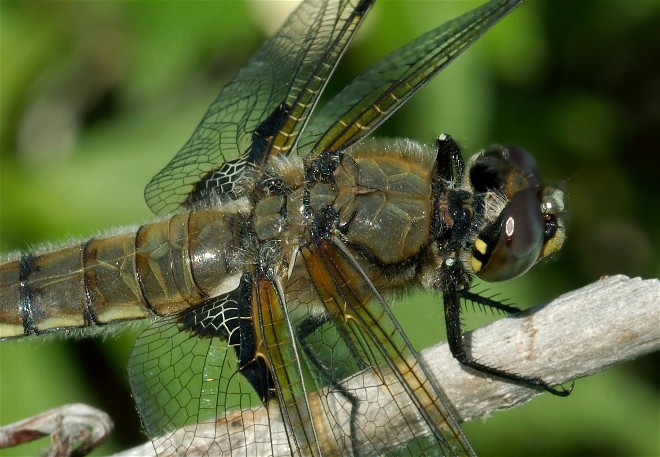
Four-spotted Skimmer
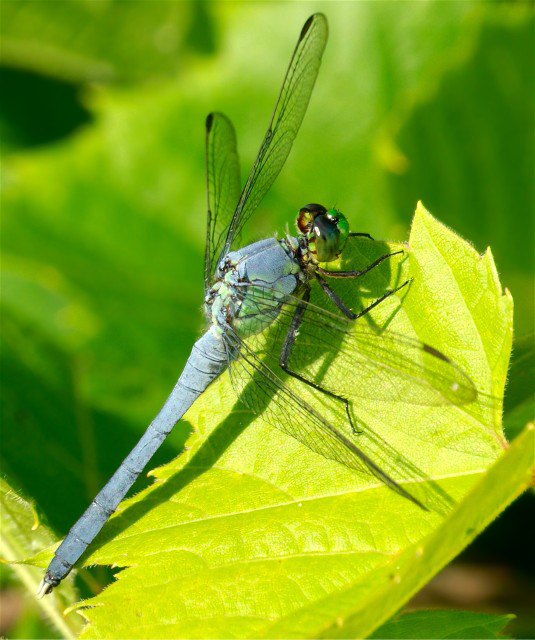
Male Common Pondhawk
The most popular insects to photograph are butterflies. I caught this Little Yellow just before it flew.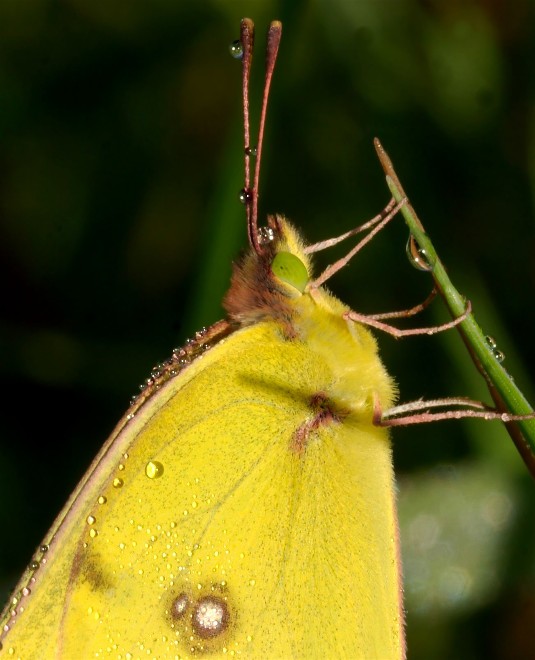
I think it is fair to suggest that Mud Dauber Wasps are not among the most popular photo subjects in the insect world.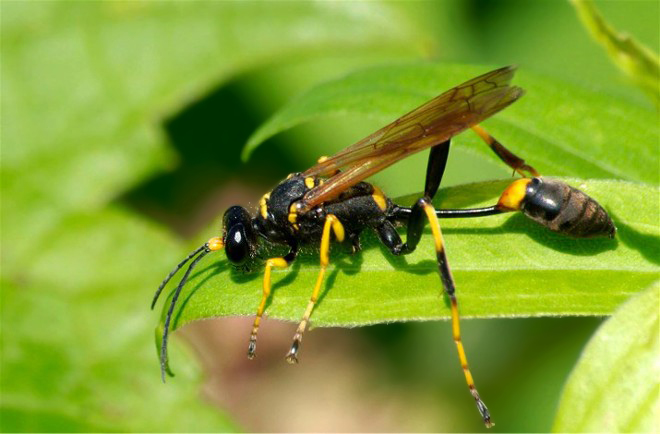
This damselfly is actually caught on a very thin spider web. I did break my aforementioned rule and remove the web. Save one creature and make another (the spider) go hungry. I do believe it is best to let nature do what it is supposed to do. 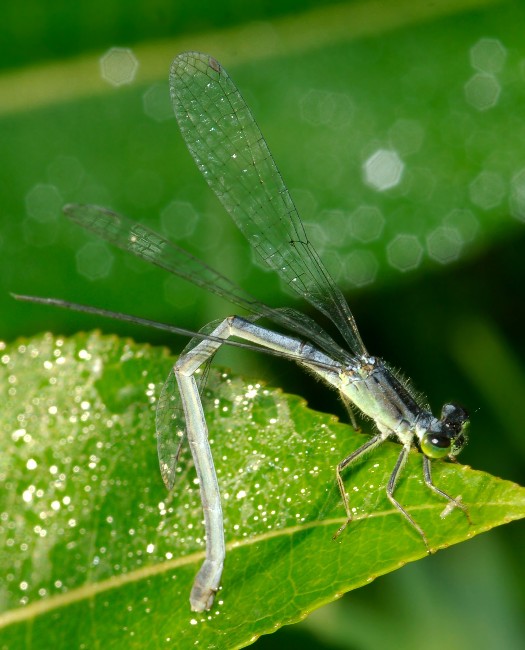
So much detail is missed by photographers who do not look at nature up close. Even flies are interesting.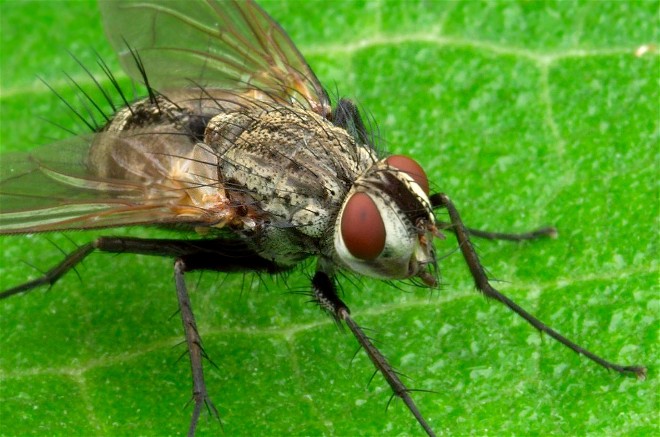
Caddisfly.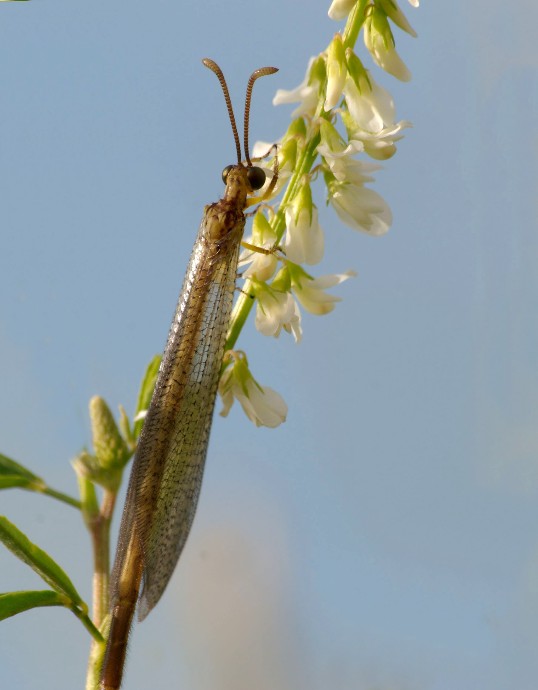
Slug or snail without shell.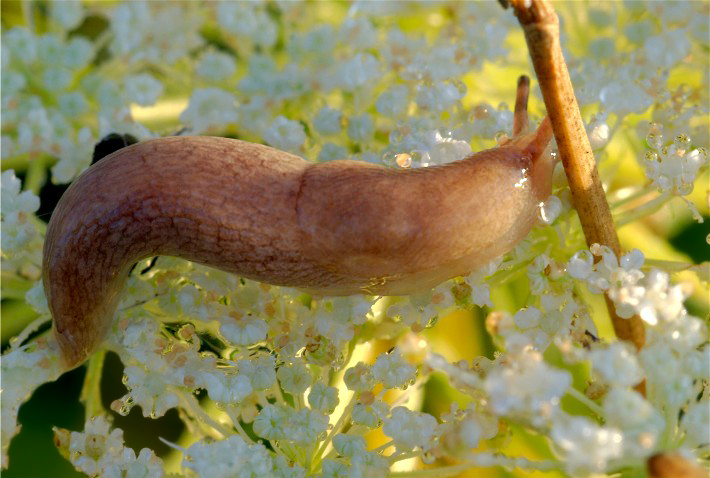
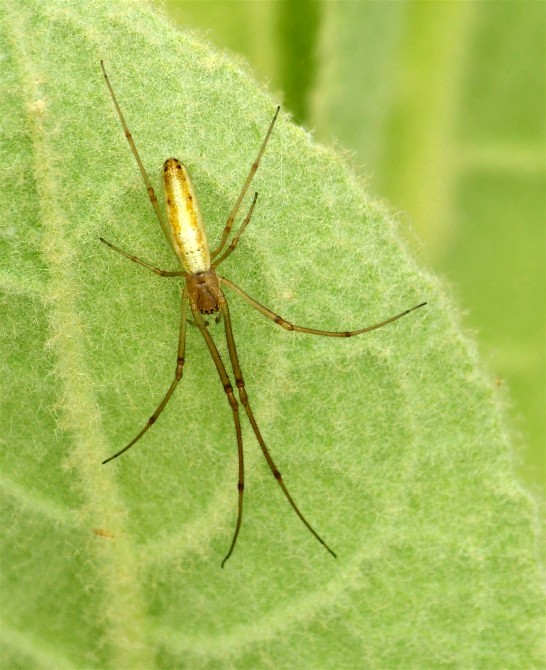
???
Now days I tend to celebrate anytime I make new pictures. I did some backyard photography yesterday morning and we have three more of those images below. A male American Goldfinch, a female House Sparrow and a White-crowned Sparrow.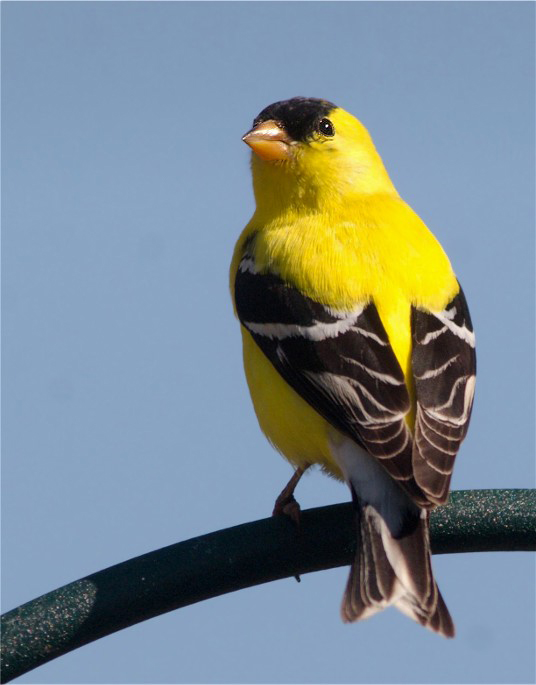
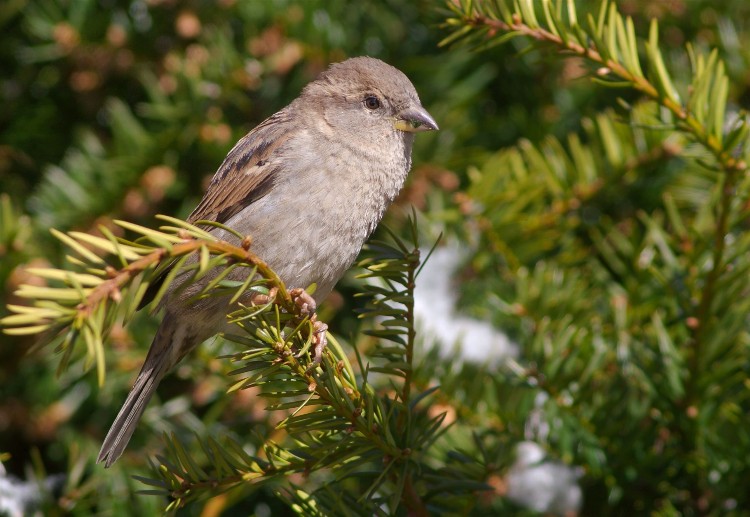
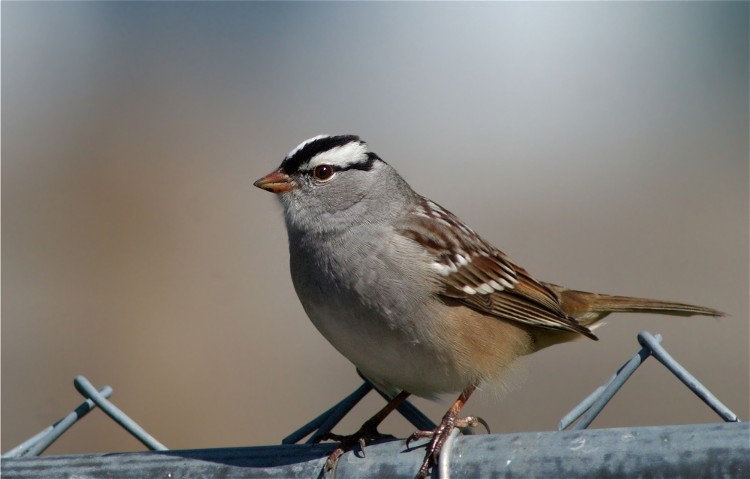
The bird feeding station here is doing quite well. In addition to the ten or so species one would expect, we have had a Rufous-sided Towhee for 4 days now, an assortment of migrating sparrows, Rose-breasted Grosbeaks, Baltimore Orioles, 1 Red Headed Woodpecker, a daily stop-over from a Cooper’s Hawk, a 30 minute visit from an Opossum, and much more.
To Sarah. I welcome you back to the U.S.A. (New Mexico). Hope your trip home to Australia was fruitful and special.
 Earth Images Blog by Wayne Nelson
Hi Wayne, I enjoyed today’s photos. It also sounds like your feeding station has a great location and variety of birds, I’ve yet to see any Baltimore Orioles in the area. Since you don’t have your books with you I can easily identify the dragonflies you’ve posted. In order shown, male Blue Dasher, White-faced Meadowhawk mating pair, Four-spotted Skimmer and male Common Pondhawk.
Thank you Cindy I knew you would be the one to get the dragonflies. I actually knew the Four-spotted Skimmer.
Thanks again.