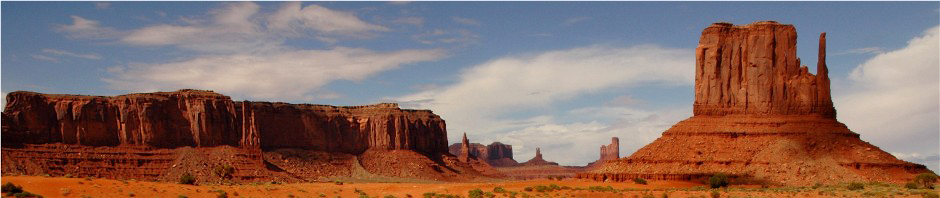
All of the life on this planet has needs. All life needs three things….. food, water, and a habitat for protection to reproduce and raise their young. If these three things are not available in a specific area for any given species, then more than likely, one will not find that species there.
All living things depend on it’s habitat for survival. Many of the more common animals, such as white-tailed deer, raccoons, and foxes, along with many songbirds, have learned to live in close connection with man by transitioning from the deep woods to suburban living. However, most wildlife has found a niche’ in what has been necessary for their survival. Let us look at a few examples…..One must know that osprey and bald eagles are primarily fishermen, and need open water to survive, thus deserts are not places to look for them.
Rocky Mountain Goats are found way above the tundra line, so again, deserts is not the place to look for them. Knowing the habitat each animal uses, and where each habitat is located is the first step in finding the wildlife one wants to photograph. Plants also have requirements as to where they live. In their case, there is specific ingredients in the soil, a specific altitude, amount of water and light, that determine where they will and will not grow. This too, can have a bearing on the wildlife as the necessity to provide food for them or their prey.
Recognizing this balance between wildlife and it’s habitat is also necessary in the aspect of conservation. In this day and age of reintroduction of species to areas, whether it is because man eliminated the species via hunting or trapping, or just habitat encroachment, many studies are completed to see that the habitat is as viable now, as it was for them years ago when they roamed freely. All of these life’s needs are necessary for conservation to act upon the transplanting of wildlife for relocation.
Time is also a determining factor for one to see wildlife. One would see vulture floating on currents during daylight hours. Most songbirds are active during daylight hours. Chipmunks are also seen during the daytime, whereby, one would expect to see bats at night. Owls are expected to be seen at night. Mountain lions and bobcats are seen only at night. So choose the times one wants to see certain wildlife accordingly.
The day in time of a dedicated wildlife photographer usually starts before sunrise. This is because there is chance to get an image of most nocturnal animals before they have retired to their den for the day. Owls and raccoons are active in the early morning hours but will hardly ever be seen at noon.
Wildlife is also seasonally active as well. One would not look for tanagers in North Dakota in January. Also not found are painted turtles and frogs at that time of year. Many furry animals hibernate during the winter months only to be seen again when the weather warms. These animals become active and reproduce, only to disappear again when the weather turns cold. One photographing the “rut” need not look for the prairie chickens to be doing their dance on the lek. Learn to set your photography sessions to match the seasonal change.
Migration is another exciting time for the nature photographer. To be at Cape May for shorebird migration, or Point Pelee for the warbler migration, or Hawk Mountain for the Hawk flyby, or Platte River basin or Klamath basin for the spring migration, are sights and sounds one will never forget. This is the time for one to increase the biodiversity of their image collection.
One must also remember that it is not only birds that migrate. Whales migrate to reproduce, elk and other hoofed animals migrate seasonally to avoid harsh weather. To find the best times to experience these optimal times for the nature photographer, consult with the many field guides, or the internet has much information revealing when and where to be for the explosion of migratory wealth.
Again this is information, reinforcing the facts of the statement…..”The more one knows about the subject to be photographed, the better the photographer, one will be.”
 Earth Images Blog by Wayne Nelson