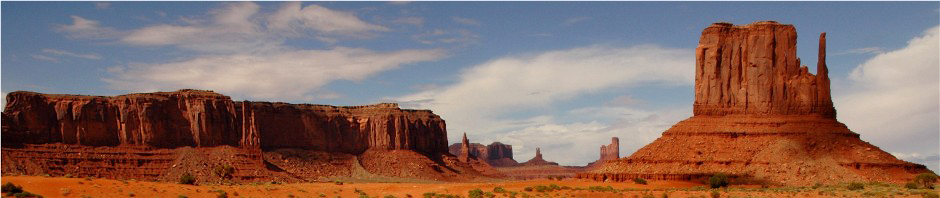
As nature photographers we are charged with the task (joy) of translating the language of nature. We get to share our own personal visual interpretation of what we find in the natural world. It is a privilege to be treasured.
We humans are all very different. We bring our own “point of view” (last post) to everything we see and experience. As nature photographers our job is to show the world, what we (each of us) bring to the subject of nature. Our images are personal and they should be. Line five photographers up in front of one subject and we will be presented with five very different pictures.
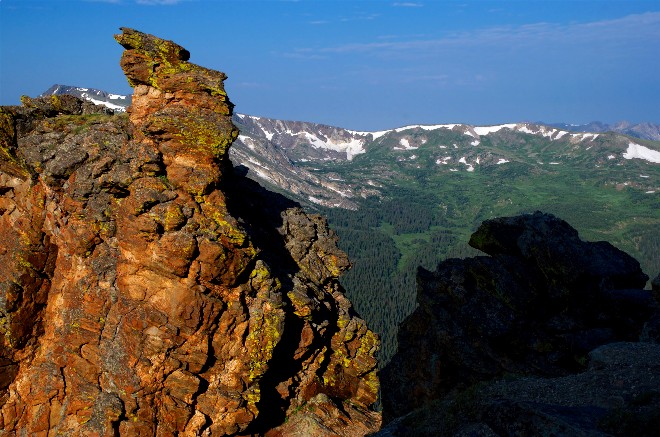
I have been to this spot on Trail Ridge Rd. in Rocky Mt. N.P. many, many times. In the past I have seen a few images by others of this well-known rock form. None have been like this 2007 image. The afternoon before I made this photo is when I made up my mind to return to this spot early the following morning. I had the entire image in my mind. Including the shadow of the lichen covered rock. It is my own interpretation of what was in front of me.
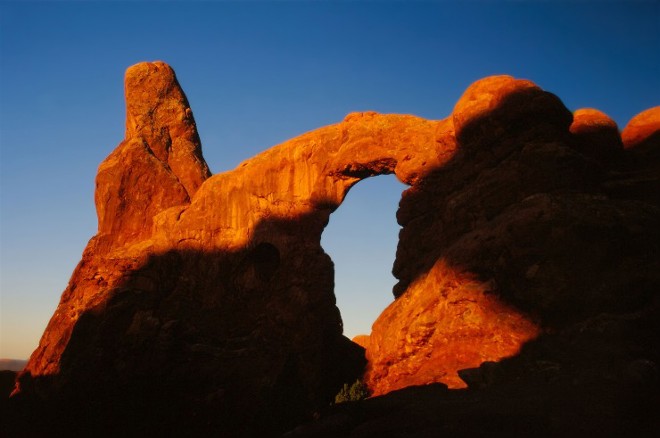
Many photographers would have seen Turret Arch, and made a decision to come back later. Those shadows bother some photographers. Just like I intentionally used the shadow in the above photo, I realized while I was near Turret the day before, that early morning would not only provide me with golden light on this famous arch, but some of the mystery shadows that I love so much. Until I arrived I was not sure just how they would affect the arch, but I was happy with what I saw. There are as many different interpretations of any one scene, as there are photographers.
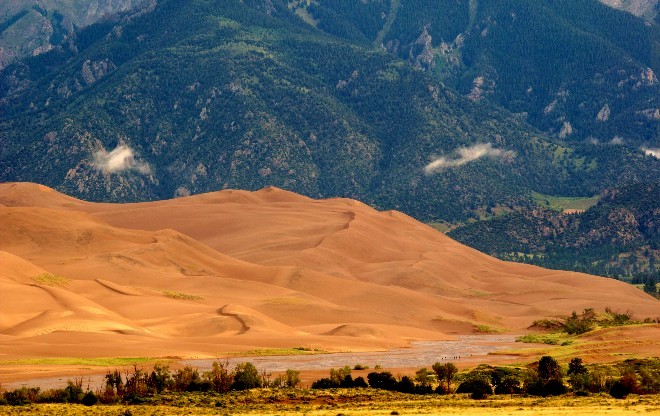
My decision to make a telephoto shot of Great Sand Dunes in Colorado was partially made for me by the weather. Heavy storms and flooding the night before made it difficult to actually hike the dunes. I had been on the dunes before so I made a decision to sandwich the 700 foot high dunes with the mountains in the background. My translation of the language of nature was a story telling shot of these strange (for the high mountains) but beautiful sand dunes.
Landscapes give the photographer many choices to make, and therefore more personal statements as well. I shoot landscapes with lenses from 18mm to 500mm, and hike to as many different spots as possible. The image below made at Dinosaur N.M. and was one of many that I made on this summer day. The use of an old Juniper tree in the foreground was a personal choice. Would you have done the same? I am betting that you would have found a different yet just as interesting way to look at this scene.

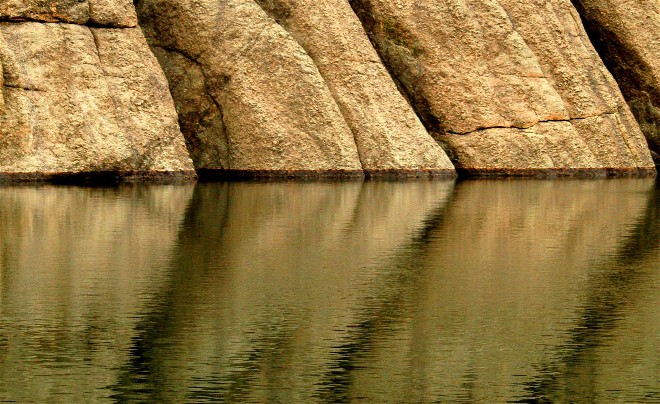
Our next image was made in Custer State Park, South Dakota. I have seen many pictures of this Black Hills lake but none like the one I show you below. Unlike my tell-all shot of Great Sand Dunes, this picture gives very little information. It is made from my own personal point of view.
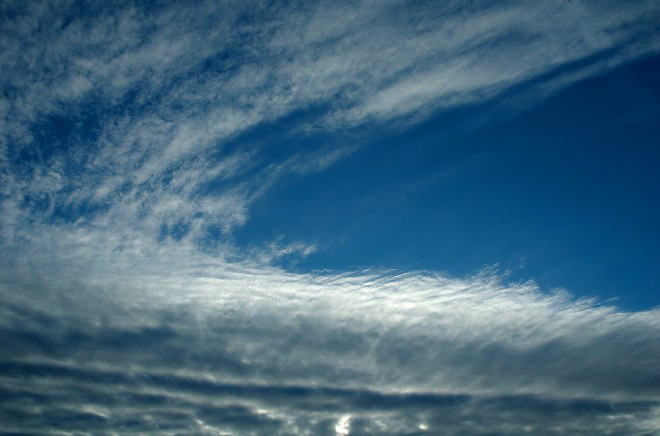
On this day when I went out to photograph skies, the different patterns were outstanding and numerous. They of course changed constantly. I do believe a thousand photographers would have created one thousand varying compositions of a thousand different cloud forms, on this Wisconsin morning.
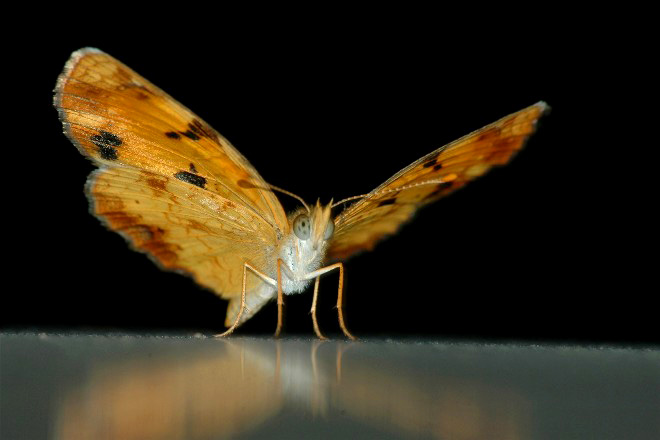
I was out making very traditional photos of butterflies one day when this Pearl Crescent landed on my car. I decided it was indeed time to make a personal interpretation of this insect. I added a flash to my camera and used “total flash” to make my exposure. This allowed me to stop my lens (aperture) down for maximum depth of field. It also make the background go black, which is a variation from reality.
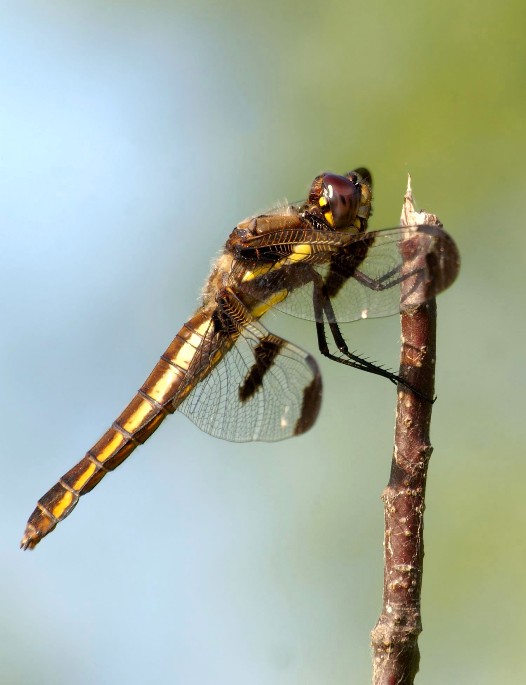
I made this dragonfly photo on another day and created a very “normal” photo. We have all seen many images like this and they are in fact a beautiful way to view these critters. If you were there you may have shot a head on view or maybe simply made a horizontal image instead of vertical.
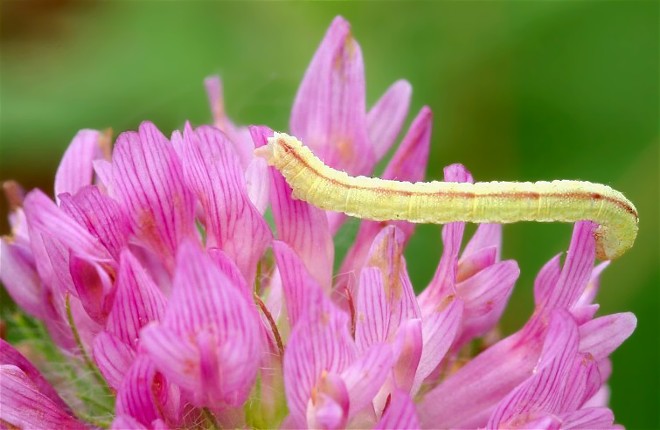
When I am faced with a subject like this and a have a macro lens on my camera, my finished image is usually an extreme close-up of a caterpillar. I loved the rhythm and flow of this scene and opted for a photo of a flower and a caterpillar embracing each other. Just my “point of view” on that particular day.
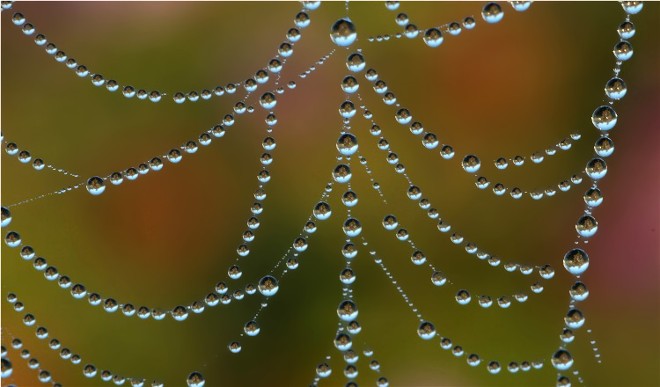
If you want to see a bunch of pictures that are similar yet very different, take a group of photographers and give them an inner-connected area of dew covered orb webs. As many different pictures as there are photographers.
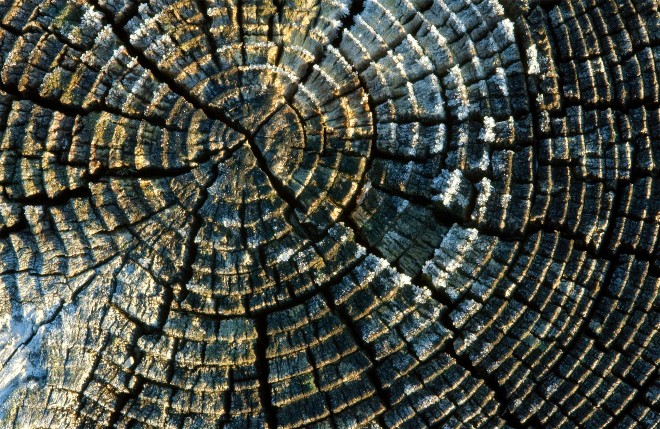
Firstly I am not sure how many photographers would find a frost covered cut tree trunk a photographic subject, but if there is anyone other than me out there, I’ll bet at least the composition would vary a lot.
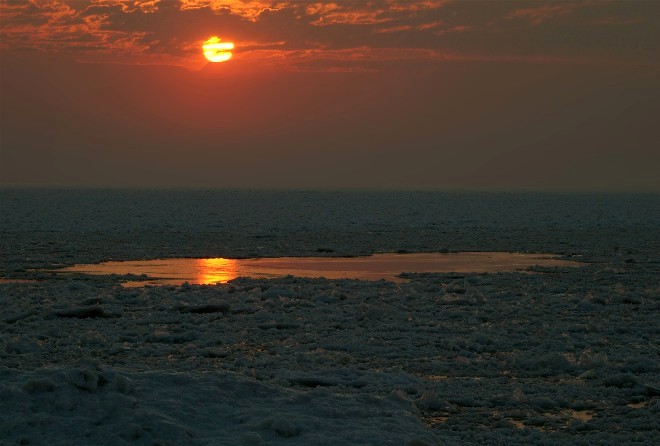
Which lens would you use? Where would you compose the sun and the icy patch? Would you have given more or less exposure? Decisions, decisions for each of us.
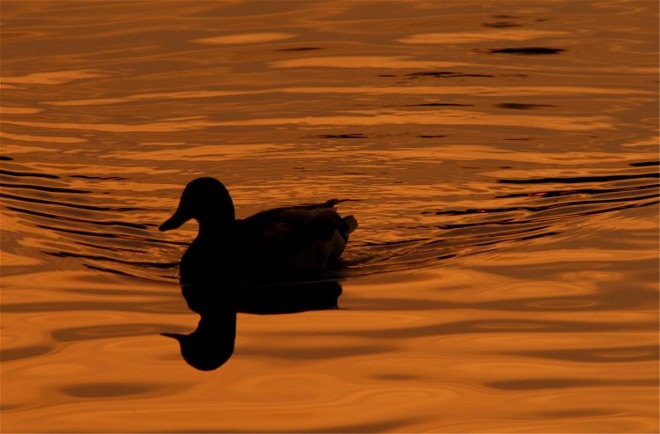
If we assume that each of us would have made this duck silhouette, I’ll bet that we would have made many different comps. My personal decision (interpretation) was to leave some room in the direction the duck is swimming, but leave even more in the direction it came from. That comp and the wake trailing the duck makes the point that this is an image with movement.
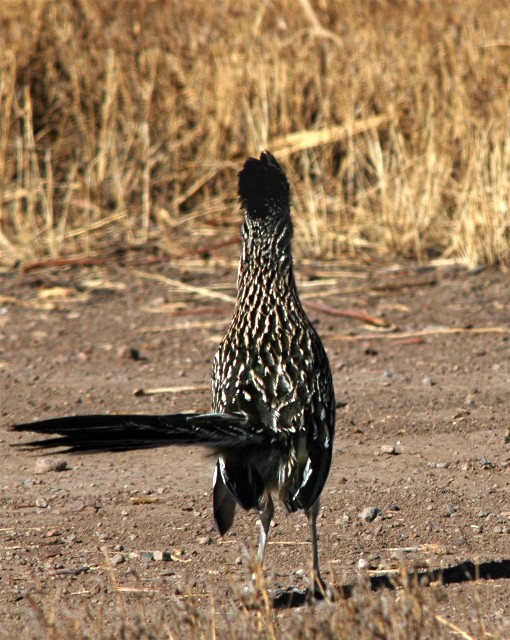
My experience tells me that if there were other photographers with me when this Greater Roadrunner turned its back, the sound of shutters clicking would have stopped. That is all but mine would have stopped. I generally keep shooting because they make great shots when they are in sequence with other images, and otherwise have comedic value.
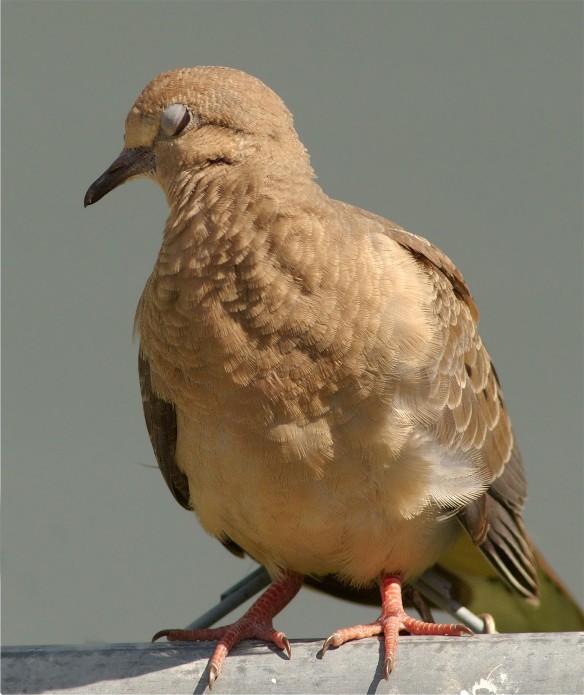
I think we can agree that a nice detailed image of a common bird like a Mourning Dove, will be a more interesting photo with something unusual like having it’s eyes closed. Still I do know some birders turned photographers, that would never take this “incomplete” shot of a bird. After all, the eyes are part of a bird ID. We all look at our pictures in our own way and that is why they become so personal.
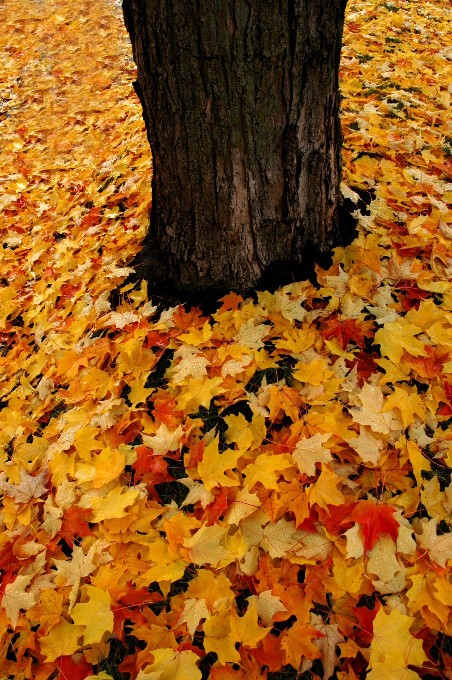
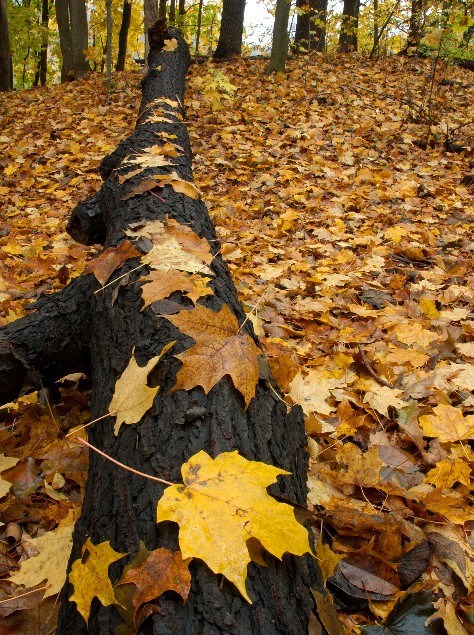
There are photographers who will photograph autumn but then put their cameras away when the leaves depart from the trees. As I entered these two separate forest areas I was drawn by the fall blanket of leaves. My desire was to find a point of view, via the subject, the perspective, and my lens choice, that was fresh and unique. Another photographer may have found an interesting perspective that never even occured to me.
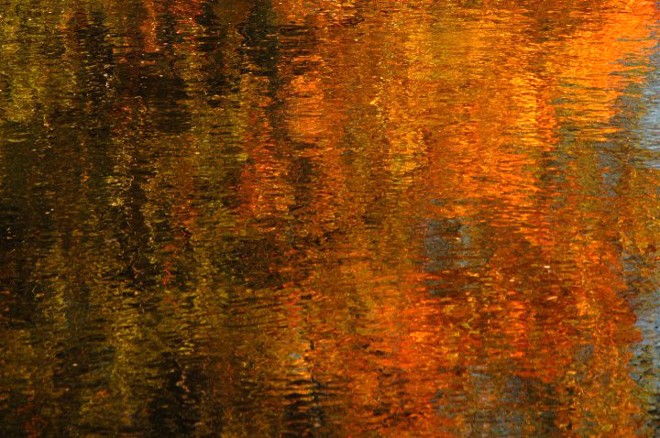
There were many parts of this fall pond that gave accurate reflections of autumn trees. I guess I was feeling sort of abstract that day and this was my image choice. We interpret nature in different ways on different days.
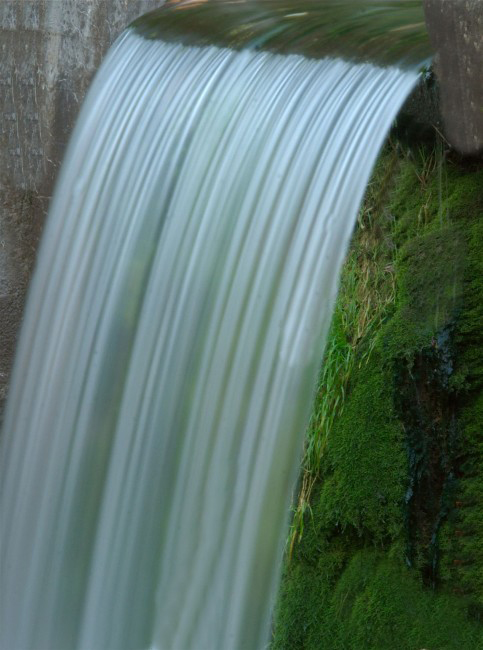
There may be more ways to translate the language of falling water than any other subject. Below are two different ways that two different falls were approached by me.
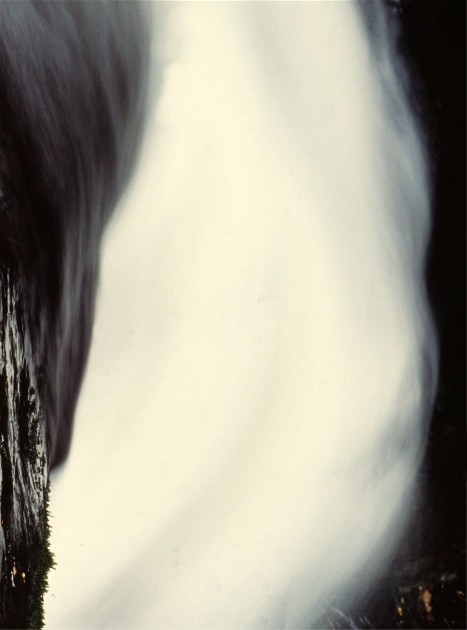
I believe that nature photography begins with a clear personal vision. That vision becomes your own translation of the language of nature.
 Earth Images Blog by Wayne Nelson