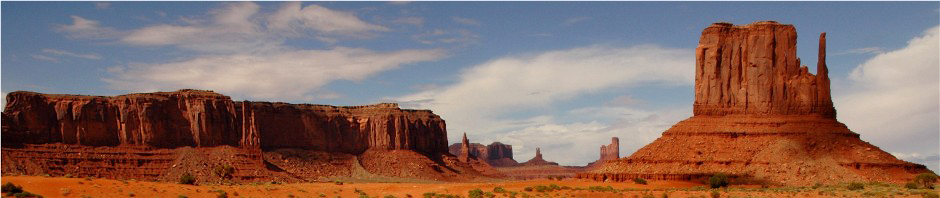
Landscape photographer Carr Clifton http://www.carrclifton.com/ has a new portfolio of work from the seldom photographed British Columbia Headwaters and it is worth a look. Carr just missed my top ten nature photographers list. He spent nine straight weeks on this project. That was always a dream for me. To spend so much time at one great place. You could discover all of the subtle nuances that exist there. You would develop a personal relationship with the land. I of course would want to photograph the wildlife and macros as well. I suppose the closest I ever came to this was when I made pictures at Horicon Marsh NWR in Wisconsin over 30 times in five months.
The above info came to me via Outdoor Photographer Magazine. This iconic magazine still has much useful information and displays a lot of great landscape photography. They are woefully short on other nature subjects. It is a rare day indeed when much is done with close-up and wildlife photography but the current (April) issue does have some outstanding macros by Mike Moats and others, as well as a good wildlife article.
Over the years I have read questions in email groups by new photographers who wonder why they struggle to make sharp pictures. The number one answer is always to buy a better lens. Only Nikon and Canon lenses will deliver the results that you desire. I have spent a lot of time answering them privately, giving advice on how to improve their technique. You can always move on to Nikon or Canon lenses (mine are Nikon) eventually as a bad lens will of course hamper you. First you need to learn how to make sharp pictures. If you own a prime class A Tamron or Sigma lens, I mean their top line lenses, they are just as good as Nikon or Canon. The macro images by Mike Moats in OP were made with a Tamron 90mm macro.
The late Galen & Barbara Rowell’s Mountain Light Photography http://www.mountainlight.com/workshops.html is still a force in the field of photography workshops. With Galen gone they have managed to line up many of the nation’s premier photographers as leaders. John Shaw and David Muench were in my top ten nature photographer list and they lead workshops at Mountain Light. Elizabeth Carmel, Jack Dykinga and others are also listed.
It has been a long time since I commented on the state of outdoor photography workshops, and I never have in this blog. This is my only my opinion. If you are looking to meet a top shooter, have a great social experience, and you have some discretionary income, the workshop with the “big name” photographer is for you. You will visit a great place and have a lot of fun. You will meet a photographer that you always admired and make new friends. You may get some questions answered and learn an important fact. If you are interested in learning. If you want info on the technique and art of photography. If you want to learn a bit about nature along the way. If you want to have enough money left in your pocket for a cup of coffee when you are done, research which lesser known photographers will provide these things. You do not need an in the field guide to find the animals (and your way around) places like Bosque del Apache NWR, Yellowstone N.P., or Custer State Park, South Dakota. The cost of a workshop is too much for just driving directions. I say this despite the fact that I have conducted many workshops at Horicon Marsh NWR, and others at Custer and The Badlands in S.D. I hope that I actually taught at those workshops but a few at Horicon did become a guiding job. I have forever felt that I did not earn my money when I acted as a guide when I was being paid to be a teacher. Mind you a guide can be a good thing but photography workshops are too pricy for a guided tour.
For those of you looking for an indoor instructive seminar, you might want to check out John Shaw http://www.photosafaris.com/main/john-shaw-photo-seminars-2011/?gclid=CLjFq_zg0KcCFQprKgodIl09GQ the team of Lonnie Brock & Roger Devore http://www.natureworkshops.com and locally in the Wisconsin/Illinois area (and nationally too), Kristen Westlake http://wisconsinphotos.com. You will also receive a happy dose of inspiration from Kristen.
I only heard from two of you about my top ten list for nature photographers. Both inquiries wanted a list of my honorable mentions. I will list a few off of the top of my head. Franz Lanting, John & Barb Gerlach, Carr Clifton, Pat O’hara, John Hyde, Arthur Morris, Larry West, Iwago, Jack Dykinga, Joe MacDonald, Flip Nicklin and too many to mention.
When we talk about wildlife photographers, we usually leave out wild horse photography. If they are wild and free they are wildlife. Some of the most powerful wildlife photography I see today is that of wild horses. I admit that I had (domestic) several horses of my own for over 20 years. My first horse was named Freedom (for my love of such) and my last was my beautiful American Saddlebred mare named Chicago. Too long of an explanation. I also photographed horse shows at one time. I was fortunate to once live in Colorado, and have seen wild herds running near Mesa Verde N.P., and in southern Wyoming. One such horse photographer is Pam Nickoles http://www.nickolesphotography.com/f355758977
I know that all of our hearts and prayers are with everyone in Japan. It is so sad to watch this, yet like always the hearts of those who are helping in the rescue certainly soar with the eagles.
I have shown a countless number of autumn images in this blog. Most were taken in the upper Midwest of the U.S. and feature edge to edge color. Some of the western fall pictures of Aspen and Cottonwood trees show the colorful trees mixed with mountains and grasses. Still they are no less colorful as the grasses themselves show autumn’s blush. I was fortunate when making most of them to have subdued light to work with. Lots of saturation. The first image below is an example of those circumstances. It allows you a very painterly approach. The next two images were taken in Yellowstone N.P. and sort of give the hint of things to come. In fact the top photo is really an autumn picture that takes place in the west. The next two are photos of the west with some signs of fall.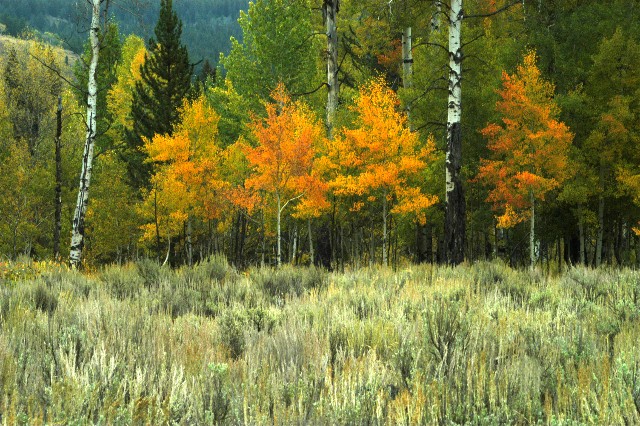
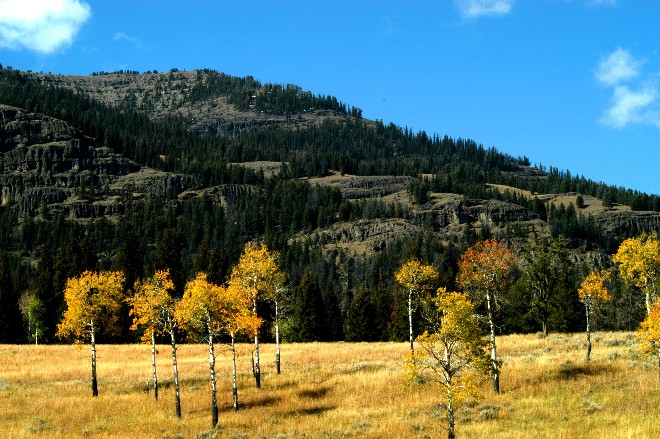
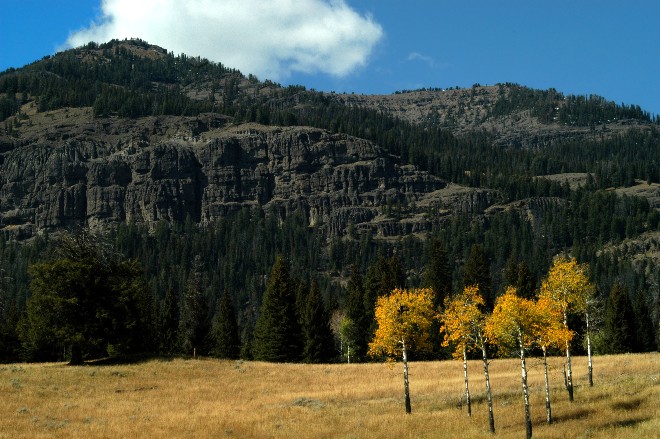
I love telling the story of a place. In Yellowstone wildlife is obviously important. There are also a ton of beautiful landscapes to be made here. In other posts I have tried to give you a feel for the many thermal areas that exist in Yellowstone. Below you see the effects of the famous 1988 fires. You can plainly see the burn and the new trees in the same image. I would have loved to have been in the park in 1988 to photograph the fires. I could have secured credentials to do so but three separate 1987 trips, one each to Colorado, California and the Canadian Rockies left me poor and at home.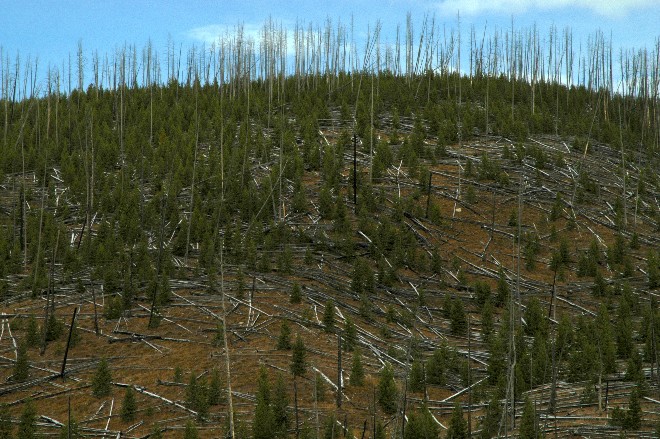
In a recent blog I mentioned my favorite western prey animal is the Pronghorn. The Bighorn is not far behind. I would never pass the opportunity to make pictures of these guys. I also enjoy working with backlight and animals that are of a light tone. This one was in the Black Hills of South Dakota.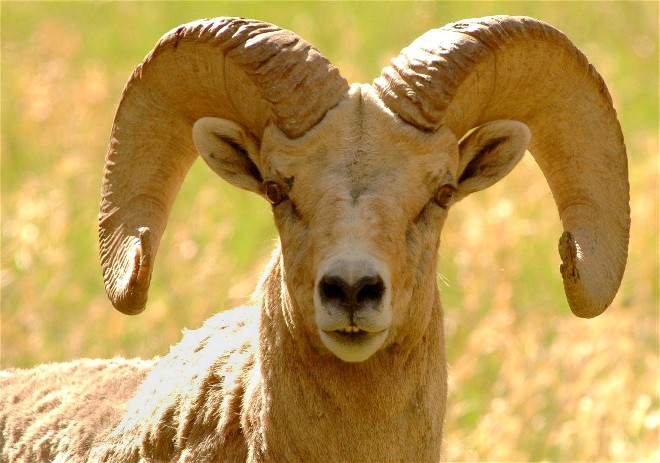
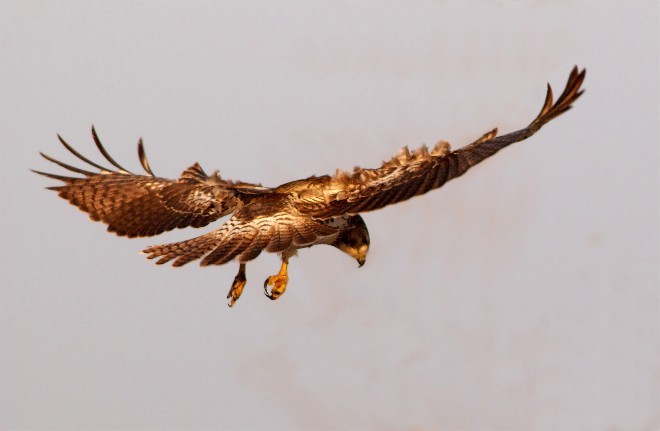
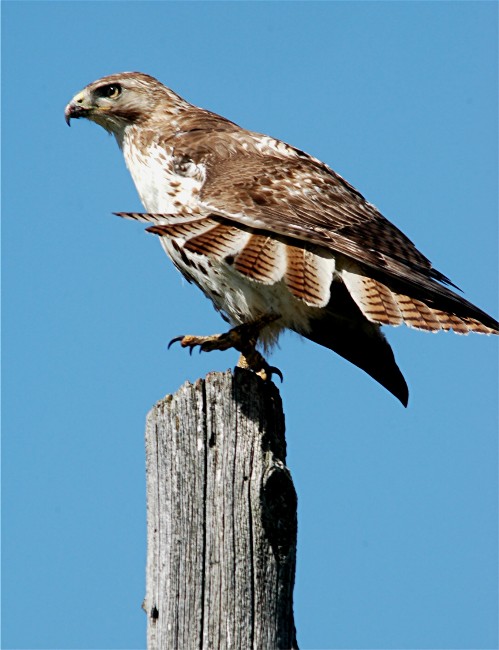
The most common hawk in North America is the Red-tailed Hawk. It is also the most diverse in color. Some are mostly dark. That dark can be brown, gray or red. For some the white breast is featured. That white may be a warm cream color instead of true white. I have also seen RTs that were all white. The “hawk on a post” was photographed several years ago in bright sunshine. The second is also an old picture this time of a hunting RT at Bong State Rec. Area in Wisconsin. The soft light and the natural color of the bird led to a more painterly image, in much the same way the top fall image did previously. This hawk is about to end the life of a male Ring-necked Pheasant. The pheasant was deep in the prairie grasses.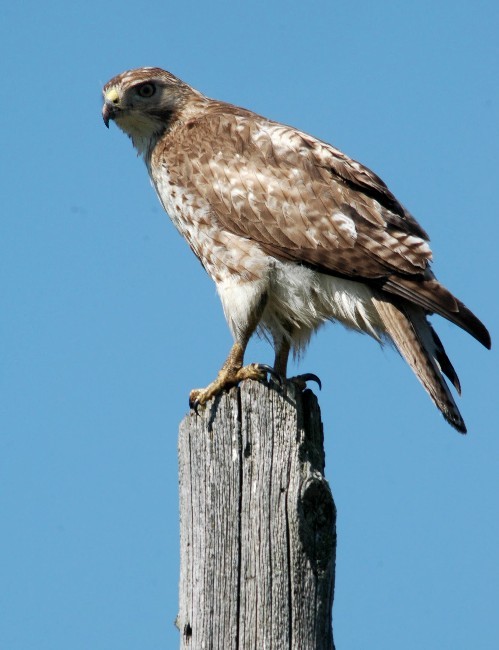
Have a day filled with great moments
 Earth Images Blog by Wayne Nelson
Pingback: The Graphics Of Landscaping | Landscape Design Online