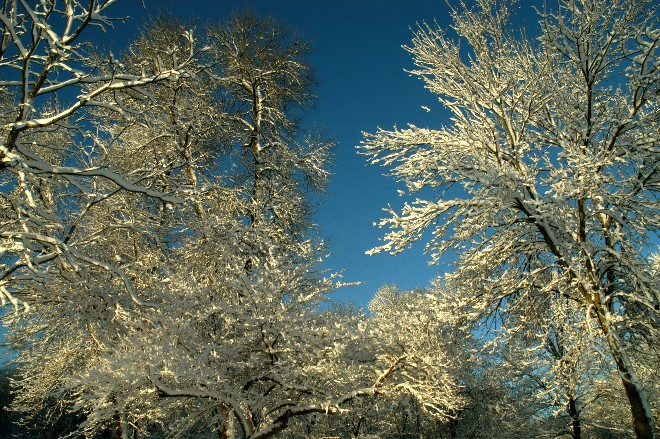
Trees, whether singular or plural, not only make fine stand alone photo subjects in the spring and fall, and as silhouettes, but when wearing a new winter coat. I enlisted a wide-angle lens to create a more interesting perspective for these images.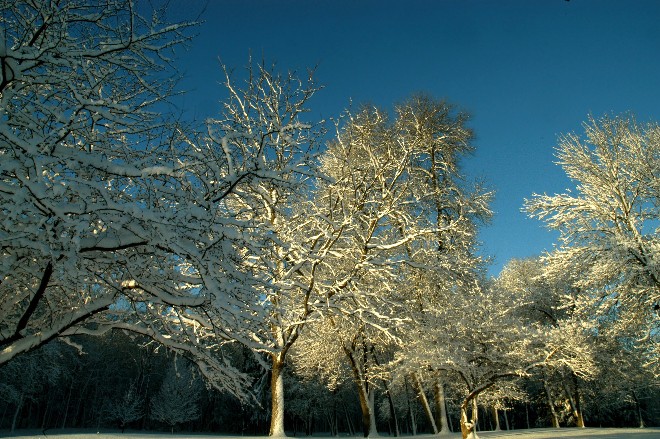
Cranes are among the most vocal of the larger birds. Managed to catch this Sandhill in mid call.
In my old photographic backyard along the shores of Lake Michigan, one thing that is in abundance is gulls. I have known a lot of photographers that ignore these guys, but I feel they make great shots. There are usually doing something interesting and at a close range. This is a large Herring Gull.
Like most landscape shooters I love the golden light of dawn or dusk. I also enjoy capturing storms over a great landscape. Places like White Sands New Mexico can also be incredible right in the middle of a winter’s blue sky day. The picture below is quite different in that it is right after sunset, and a cloud bank shaded the light that did exist. I made a determination to feature the mountains and use the sand in a supporting role for. The photo is subdued but I love variety and I was happy to get it.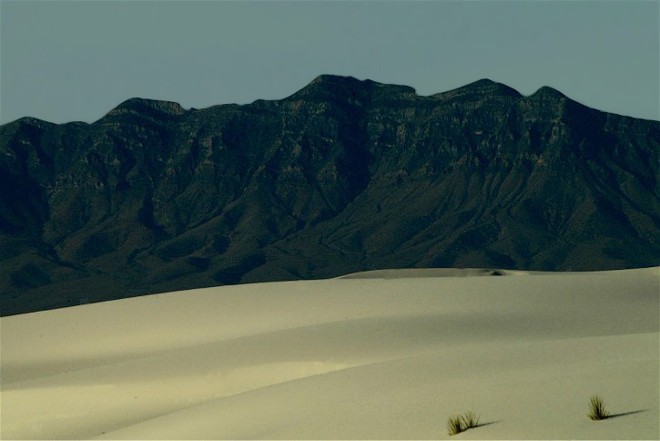
I do believe that images of these same Common Loons appear elsewhere in this blog. Having lived so much of my life in Wisconsin, loons are certainly no stranger to me. In winter there are Common and Red-throated Loons on Lake Michigan. During spring migration the population increases with a small number of Pacific Loons joining the fray. Then throughout the summer Wisconsin, Michigan and Minnesota’s northern lakes have nesting Common Loons. With all of that said the only location where I have ever made a loon picture is on or near Phantom Lake in northwest Wisconsin’s Crex Meadows State Wildlife Area. That’s logical as this place stands (for me) up to Bosque del Apache and Missouri’s Squaw Creek NWRs as a top wildlife location.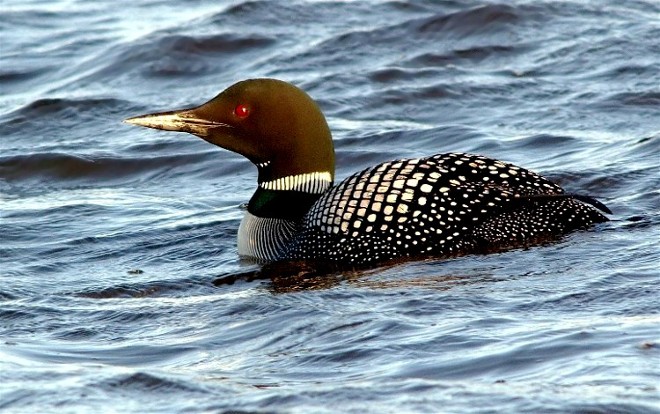

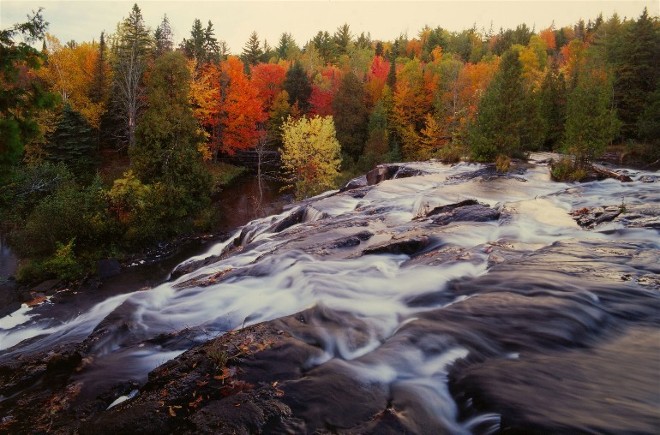
I love photographing waterfalls ( so it would seem) with all of the different treatments you can give them from the literal to the abstract. The waterfalls themselves can be so different that it is misleading to use the same terminology to describe them. A couple of pretty straight up images below show you two falls that live in Michigan’s Upper Peninsula. The first inner-forest falls is a landscape with a stream of water, and the second open country falls is a large waterfall with some trees. Variety again. 
A lot of wildlife photographers have done a better job of capturing images of a big variety of species of owls than I have. Most of my stock is of Snowy Owls, Great Horned Owls and Short-eared Owls. I enjoy they way these Short-ears usually come out around dusk and simply take over the land (and sky). Still if you spend enough time during the winter (in northern regions) in suitable habitat, you will often see them in the bright sun of day. Such was the case on this day at Bong State Rec. Area, Wisconsin. 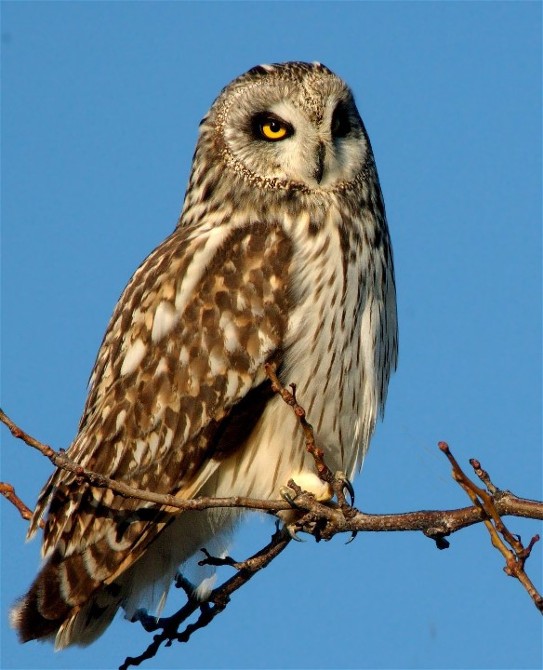
A few posts back I celebrated the coming spring with two images of some very pretty male Baltimore Orioles. I’ve never been one to forget the ladies and today we have the female of the species.
The great thing about photographing sunrises/sunsets is that there are many different “treatments” you can give them. One such is to abstract them. This is not in any way a Photoshop abstract. I did opt for a significant under exposure to create the image as you see it. 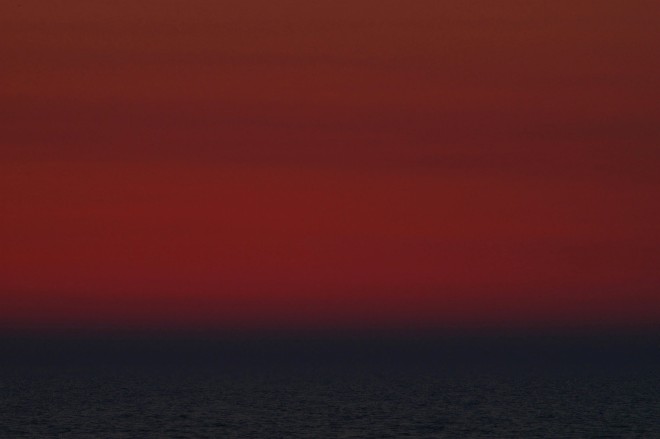
 Earth Images Blog by Wayne Nelson