“Live life as if it’s your one and only masterpiece” Wayne Nelson
I love mirror images of nature subjects. Those of you who know my work can give testimony to that fact. This includes all nature subjects. It is likely that my most “mirrored” subject is the Northern Shoveler duck. This one was photographed in Wisconsin. As much as I enjoy those “perfect” reflections, that is the kind that you can turn upside down without noticing a difference, I like garbled or semi abstract reflections even more. This image is real and surreal at the same time.
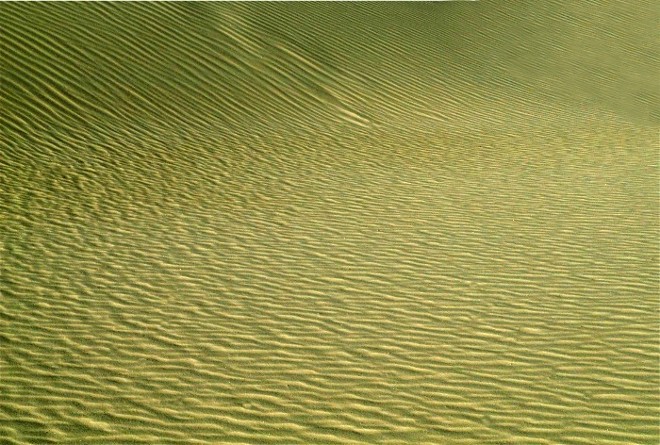
I would live in the middle of White Sands New Mexico if I could. I will settle for near-by. The color of that gypsum sand changes all day. From the pure white of mid-morning to mid-afternoon, to the browns then golds and even pinks of late day. Light overcast can bring a grayish brown.


Sometimes (often) it pays to be patient. I sat with these Sandhill Cranes for 45 minutes hoping they would do something interesting. I was just about to give up the ship when a car, windows open and radio blaring drove up. As I began issuing a series of profanities the cranes flew. They made a circle and returned in this artful formation almost immediately. I don’t believe I have ever made a picture quite like this one. I thanked the driver of the car. Crex Meadows State Wildlife Area, Wisconsin.

One thing I always loved about Wisconsin winters was all of the northern birds of prey that spend time here. Snowy Owls and Rough-legged Hawks lead the way. I caught this RLH on a clear, crisp winter’s day.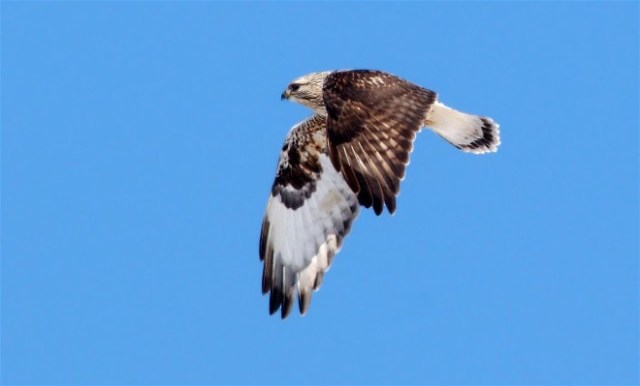

One of the great things about traveling to make wildlife pictures is you get species of animals that you may not even see near home. Wisconsin has no shortage of White-tail Deer and Canada Geese. There are probably more of each of these critters than there are people. The young Mule Deer buck was photographed in the Jim Bridger Wilderness, Wyoming and the Snow Geese were among 20,000 or so available at Bosque del Apache NWR. In New Mexico.


Backlighting with wildlife always leaves us with some decisions to make. I chose to expose for the foreground shadows with these Pronghorn. It gave me detail on the animals but did over expose the background. It worked for me because I like the ethereal mood it created. It gives you a good indication of how this dry high mountain valley in Colorado’s Arapaho NWR truly appeared.

I used to love to proclaim that I photograph everything in nature. That includes creatures like flies. It would be ashamed to miss all that detail.

I always wanted to get birds in all plumages. I actually like the winter black & white feathers of Sanderlings like this one better than their muddy summer feathers. Another “abstract” reflection?

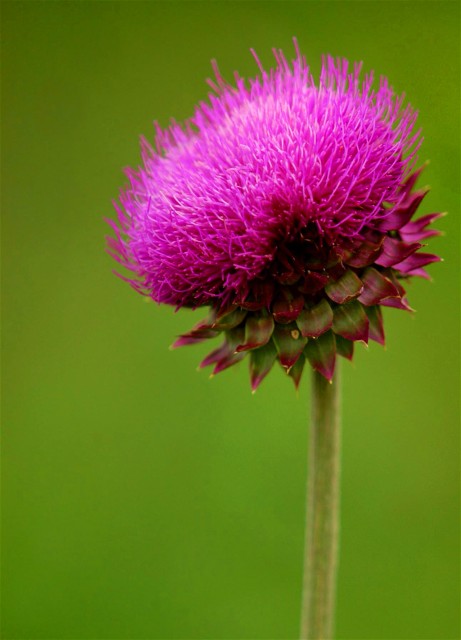
A common subject with a traditional treatment. There are reasons why this has always worked and always will. People can identify with this thistle flower. The clean simple composition subscribes to the (less is more) philosophy of photography. The hardest part was getting enough depth of field (maybe f 16) to cover the part of the flower that I wanted it to, yet get background grasses that were far enough away to go soft and featureless. A little re-adjusting and there you are.
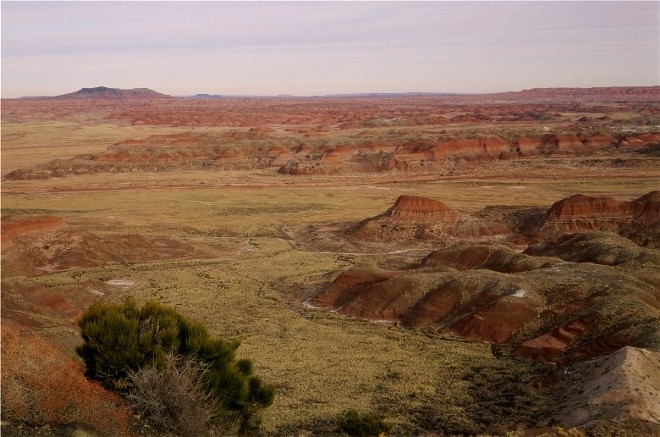
One of our least photographed natural areas in the U.S. is the Painted Desert in Arizona. I do believe that the pilots of every commercial airline that passes over this landscape point out the Painted Desert. I know all of my flights to Arizona and California have included that message. You can easily see the PD from over 30,000 feet. This image was made at the edge in Petrified Forest N.P.
There is nothing as great as small mammals for a wildlife photographer. They are always doing something. Caught this Muskrat at Horicon Marsh NWR in Wisconsin.

 Earth Images Blog by Wayne Nelson