This post is not about my favorite wildlife photos. It is also not necessarily about my favorite species of wildlife or animals that I have been privileged to work with repeatedly. It is about images and animals that evoke a sharp, clear and special memory of the moment. In other words when I look at these photos it is as if I am in that moment once again. I can feel the shutter release and I have total recall of that time and place.
It was still dark when I arrived at this Mississippi River lock and dam. It was also -8 F. Even in the darkness I could see Bald Eagles flying about. The small bit of open water below the dam was the only place within miles where an eagle could get a decent fish dinner (breakfast). I gritted my teeth and headed out into the cold to climb the small observation tower and see if I would be happy with the view. I was, and then I wasn’t. It would be a nice view after sunrise for great flight shots, but I could not see the surface of either the open water or the snow and ice at the water’s edge. I decided I would have to talk to the Dam-Master and plead my case for him to allow me onto the actual lock and the lower and more open view. After a few hesitant moments he agreed. I spent five hours on the lock that morning. I was a balmy +1 F when I left for the day. Bald eagles fishing and fighting in front of me. It was worth the cold and worth the effort. A day I will never forget. Shortly after sunrise a pretty almost mature eagle landed on the ice and snow in front of me. The color of light and the beauty of this bird came together immediately. The second I clicked the shutter I knew my feathered friend and nature’s light created a work of art. I was just the vehicle used to show it to others. Five seconds later and ten feet away from the first eagle a younger bird landed and I can still feel the shutter click today much like with the first bird. Sometimes cold (or heat and mosquitos) is the only way to gather experiences that last a lifetime.

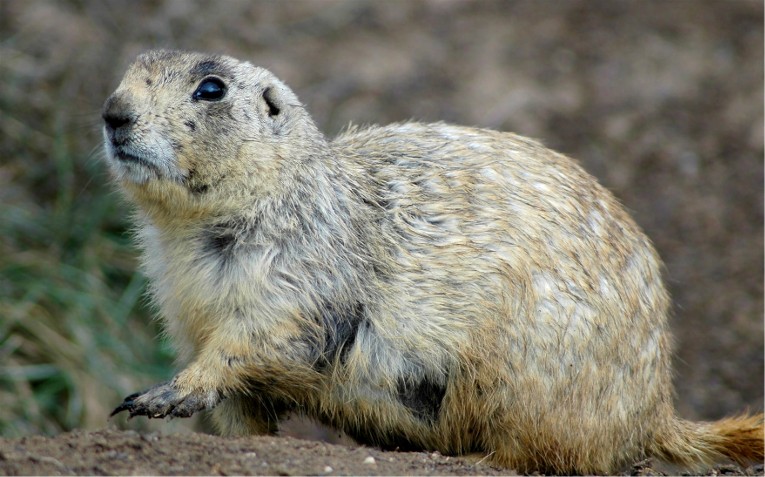
When I made the picture below Black-tailed Prairie Dogs were certainly not new to me. I had thousands of the critters living in my Colorado foothills horse pasture years earlier. I had photographed them in Wyoming and South Dakota on other occasions. Still I was on my way into Theodore Roosevelt N.P. in North Dakota and I was anxious to “show off” this gem of a park to my buddy Ron. What better way to begin than by getting him some nice Prairie Dogs shots just as we entered “Teddy”. I simply could not keep up with this busy bunch of dogs. Finally just as two critters appeared in my frame at the same time, click and it was done. I knew before I ever looked at the picture. The second Prairie Dog photo is the White-tailed version. I had never photographed this close cousin to a BT before and this was my first click of the shutter. I have gone on the make hundreds of photos of these critters. Many are better than this one but I can still remember tripping the shutter just like it was yesterday. 
I think almost all lifers are memorable to any wildlife photographer. In February of 2006 I pulled into Rockport, Texas after an around the clock drive from my home in Wisconsin. I was sure that I was too exhausted to do anything but sleep, but after securing a room for myself, sure enough I headed east to Aransas NWR. I made some good pictures there but exhaustion was setting in and I headed back to my motel. I noticed that there was a Gulf inlet across the street from my room and decided to do a drive by in case I would find something interesting for tomorrow. The first birds I spotted were Brown Pelicans. A gem and a lifer for a Wisconsin boy. Even while I was in California I saw no Brown Pelicans. The top photo of an immature/winter plumage bird was the first image that I made of this very cool species and you just don’t forget those. After some fair ( heavy overcast) action shots I found one lone Brown in full summer plumage near the shoreline just a bit to the west. That is our second bird. The Snowy Egret you see in our third shot was standing about 30 feet from the pelican. I already had images of Snowies fishing but wanted a full frame portrait. This was my chance and I never forgot that moment. Two Brown Pelicans and a Snowy Egret in a very short period of time. 


It seems when you are a nature photographer no matter how deep your files are there is always something you still feel you need. I have a fair amount of Bison bull pictures, and some herd photos with cows and calves. Still I have always wanted a cow and small calf, side by side as if in a studio style portrait. I still do want that. I did however get a chance at a cow with its yearling calf in that very pose a couple of years ago. The youngster reminds me of Huck Finn with that straw in its mouth. I remember making this picture in the Lamar Valley of Yellowstone N.P. with vivid recall. I can still feel the shutter button under my finger. 
As I watched my e-mail download I spotted one from a local birding network that had a title of something to the effect that there were Short-eared Owls at Bong. Short-ears are my favorite type of owl and Bong State Recreation Area was my favorite place to photograph them. I had one experience at Bong with multiple owls at 10:am but otherwise a shot or two at dusk was the best I could do. The e-mail post had stated that somewhere between 8 and 15 owls were present from 3:00pm to dark. I could not sleep that night. I arrived at Bong at 1:00pm just in case they were hungry. No owls then, or 2:00pm, or 2:20pm and then right about 2:30pm there they were. Short-eared Owls sort of “take the world over” when they appear. There were owls everywhere. In the sky and in the trees and on the ground. I made several pictures and then the owl that I present below landed on a tree right next to my car. My heart pounded! Just as I put my camera to my eye it began cleaning its talons. I have never forgotten that moment and I never will. I remained at Bong making pictures until the last glimmer of light had faded. One day made my whole winter. 
As my car chugged along I guessed that I was just getting to the 12,000 foot mark of Trail Ridge Road in Rocky Mt. N.P. This was about the 20th time I had made this trip in my life and visions of alpine scenes, Yellow-bellied Marmots and Pikas danced in my mind. Maybe a ptarmigan? I was well above timberline and I rounded a bend in the road only to notice a small bird land on a rock near me car. I stopped but thought, no way am I searching for songbird pictures up here. Then I looked and you guessed it, another lifer. An American (Water) Pipit of the alpine race was screaming for me to take its picture. Who could resist. I spent a cool 15 minutes taking pictures of my friend with an insect in its mouth. I left with the Pipit on the same rock I found it on. I suspected it was “holding” the meal for a baby and only wanted me to move on so it could fly to the rocky nest and feed. I watched in my rear view mirror as I drove away. I was correct and I was very glad I left. I found my landscapes, marmots and Pika. I only missed on the ptarmigan and it was a good enough trade for me. I can still remember,
Now didn’t you just know that you would not get through a memorable wildlife article unless I could fit in some Red Foxes. These two pictures are here not because of my ongoing relationship with foxes but because I can still remember the moment that I clicked the shutter button. Our little munchkin in the top photo was trying his best to play with his four brothers and sisters. They would all run and jump and wrestle and he would come charging in when nobody would notice. Then he seemed to stop just when it might get a little rough. He was cute but not very brave. In the interest of remaining safe he would run around all by himself at times getting within 10 feet of myself and other photographers. He really did not even notice us. Then Dad gave the same silent signal that he did every afternoon that it was time for him to hunt, and everyone was to head for the den. That silent (to me) signal got the attention of the little munchkin and I got the picture. The fox in our second picture was at a different den and while still a baby, is clearly much older than the munchkin. I was not having a good day with this family. I spotted two foxes at a great distance but they were gone as fast as they came. I finally started to make the trek back to my car, camera and tripod in hand when a 3/4 grown kit appeared and seemed to say I am sorry to be late. I managed about 10 shots and my beautiful friend was gone. I thanked him for the pictures and the memories. 

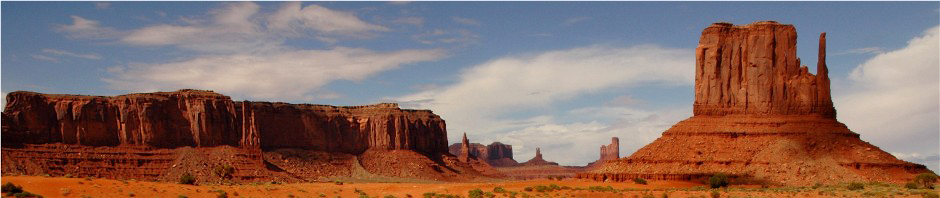
Bonus Shot My pal Ron and I were headed from Bosque del Apache NWR in New Mexico to Monument Valley by way of Navajo tribal lands. We noticed on our map that the well-known Shiprock New Mexico land mark was on the same path we were. We thought we might try an afternoon photo or two of the rock but we (as usual) were delightfully side tracked at many un-named red rock formations along the way. We spotted Shiprock just as our light disappeared. We found a room and some supper on Navajo lands that evening, guaranteeing me my fair share of fry bread. In the morning some fog obscured the land so we settled down for our drive to Monument Valley. We noticed a slight lift in the fog. It lifted some more and to our amazement the top of, you guessed it, Shiprock appeared. We stopped and 10 minutes later Shiprock was “in the bank”. The memory is clear and sharp in my mind. I find much of what I photograph while I am traveling from one well-known place to another. Sometimes being in-between is better than your intended destination.
I received an e-mail question recently about what I do to stabilize my camera when I make a picture. I use a tripod 90% of the time. I do not use VR/IS but it is a tool worth using. Sometimes. 100% of my landscapes and super close macros are made while using a tripod. In addition to the stabilization of the camera I have found a tripod evokes more thoughtful and considered compositions from me. When I make wildlife images out of the window of a car I use a simple pillow support. Many photographers like bean bag supports. Occasionally when I am photographing birds in action or busy active insects I then hand hold my camera for the freedom of position that it allows. When I am photographing landscapes and macros that are not going anywhere, I make my pictures with my hands off the camera. Electronic cable releases can be expensive and tend to break so I use my camera’s self time. I set it at 2 or 3 seconds. Enough time for me to get my hands off the button, but not usually enough for a breeze to move my subject. I hope that helps.
I thank you for stopping by,
Wayne
 Earth Images Blog by Wayne Nelson