Let’s talk about animals and places.
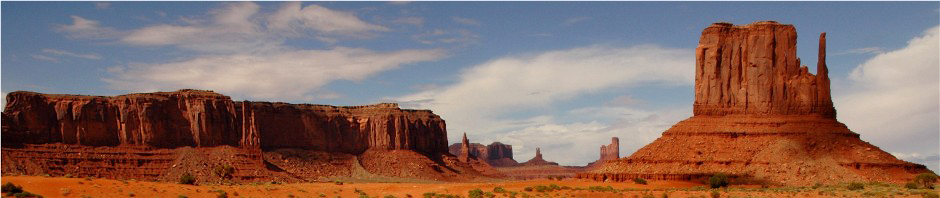
I love finding alternatives to the best known and the most heavily visited locations for nature photography. There are still a few national parks that are not well known and Guadalupe Mountains N.P. in Texas is one such park. The primary reason is there is no loop road taking you to all of the varied hot points in the park. You drive in the visitor center/campground and that is pretty much it. There is one desert dirt/sand road into the park, but I would suggest only high ground clearance 4 wheelers. I made it a short way in with a car but turned around due to deep ruts and rocks. The bird list here is impressive and there are great hiking trails. The view of the mountains and El Capitan is stunning and visible from the highway. The image below was created after a short 10 minute hike into the park. http://www.guadalupe.mountains.national-park.com

The three images below were all made in a much busier national park. Yellowstone N.P. Wyoming
The bull elk is crossing the street in the Yellowstone village called Mamouth Springs. He is one of my all time favorite wild animals. It was September and my hero (just kidding) kept his harem of forty cows right in the town of Mamouth Springs. Most other bulls would never even come into this congested little village. A method to his madness? Two young bulls did give it a try while my pal Ron and I were there. No way, no how. The King moved them back out-of-town quickly. Park Rangers were posted here permanently to protect the human visitors. Mainly to protect them from their own foolish decisions.
 We found this coyote hunting alongside a road at the first light of day. I always ride with my 500mm lens/camera residing next to me for a quick wildlife shot when necessary. In really good places like Yellowstone that have a big population of large mammals I always make sure to have a second body with a shorter lens close by. In this case I grabbed my 70-210 zoom/camera combo and left the car. The photo below was taken at about 150mm.

My favorite large mammal of the American west is the Pronghorn. That may be because when I lived north of Denver there was a herd that I could reach in 20 minutes time. I used to sit for an hour at a time just watching them. My first pictures of Pronghorns were made in western Wyoming cattle ranch country. I stopped my car in a remote area and parked in the middle of what was (conservatively) 1,000 Pronghorns. Then I got out of the car and accidentally sent the entire herd running. That afternoon I learned a lesson about giving animals their space. If there is one thing that these guys are known for it is speed. When possible I attempt to tell the story of the wildlife that I photograph. I have mating and other behaviors with these animals but I try to make a point to get them on the run.

I was fortunate to spend a couple of delightful days making images in Arches N.P. Utah several years ago. This was my first time making serious photos of Navaho and other types of sandstone. I already knew through the pictures of others what wonderful things that the first and last sun of the day would do to sandstone. I made a wide variety of landscapes that day. I particularly enjoyed making up close and personal photos of individual arches. Most of my images of that sort were done while the arches were bathed in the very first rays of sun, that the day would offer. I especially like working in that warm light and creating a 3D effect with a beautiful blue sky. When I can add some mysterious shadows, as you see in my second photo, I am a happy camper. http://www.utah/nationalparks/arches


I have been fortunate to photograph several species of birds performing their courtship rituals Two favorites that come to mind immediately are Sandhill Cranes and Goldeneye Ducks. One more favorite of mine is the Sharp-tailed Grouse. I live in Wisconsin so that is where I photographed the ritual. The WI DNR has blinds located in many key locations. Reservations are required but there is no fee. Anyone who has attempted this on private property set aside for photography knows it can be pricy. Below are a variety of images made at Namekagon Barrens Wildlife Area in Wisconsin’s far north.http://dnr.wi.gov/wnrmag/html/stories/1999/feb99/groumap.htm


American Avocets/Bosque del Apache/New Mexico. I love this species of bird. I was excited to catch them in breeding plumage but would have loved clean and pretty reflective waters.

One of the most common summer visitors in these parts is the Barn Swallow. Who hasn’t gotten too close to a nest and been dive bombed by one of these little critters. The second picture contains 3 hungry little fellows in the ceiling area of a picnic shelter. They are a part of this colonies second nesting of the year.


Bonus Shot
A few years ago I taught a series of three workshops at a local public zoo. I preached that zoos are great places to practice wildlife photography. They are especially good for thoughtful up close portraits. Well you can get a little action work in at zoos as well. I guess I was using this Kangaroo to practice my Pronghorn photography.

Happy trails,
Wayne
 Earth Images Blog by Wayne Nelson