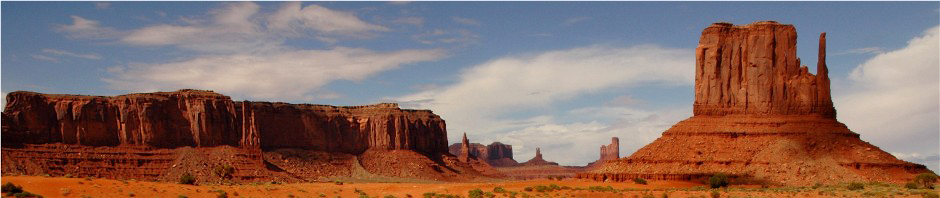
I have been involved in the business of stock photography of one sort or another for over thirty years. During the past twelve years I have written several pieces on the state of stock photography and nature stock in particular. While there are those more prolific and more successful than I in the stock industry, my credit list is large and contains my share of major publications. This will be my final (yea) on the subject.
For the purposes of this article I will assume that you are already schooled in the basics of photography and have mastered the techniques of the varied disciplines of nature photography such as landscape, wildlife and macro.
Some Negatives
Stock photography has changed much during my career, with the one exception being, what we are paid for our work. The digital age and with it the addition of hundreds of thousands of new photographers has been the biggest change. Many of those photographers understandably want to see their images in magazines and books. Most do not care if they earn a living from this endeavor. There is a lot of competition for very little money. The quality now possible with high-end digital setups made by Nikon and Canon is unparalleled in photographic history. This is a good thing but it does not make it easy to set yourself apart from the crowd. At least where the technical quality of an image is concerned. It is no longer possible to earn a living making great images of iconic locations in the national park systems of the U.S or any nation. It has been done at nauseum. I am not saying that you should not make those images, or that you will never sell any, just that you will likely be the one millionth photographer to tackle that subject matter. There is not a bird on this great planet that has not been photographed by enough photographers to boggle the mind. It is pretty much the same for mammals. Yellowstone? Alaska? Africa? Even the Galapagos! You should shoot at these places if you can but you will not be doing anything new. We live in a mobile world and there is not a spectacular and remote location that does not have photographers making pictures there. Probably sipping wine in a lush lodge at the day’s end. Macro photography is now also becoming more popular. For those who photograph more than nature, indigenous peoples and distant cultures were an alternative to all nature photos. If you surf the television stations available today you will quickly notice that there is not a remote area of Africa or South America, or a Pacific island where those people are not being photographed almost daily. The biggest challenge seems to be making sure you don’t get their Adidas clothing in the shot. I know this sounds a bit bleak but there is a positive for every negative and stock nature photography is no different.
Some Suggestions
Be fluent in all things nature and some that are not. Even if you specialize in let’s say wildlife, make some landscapes of the location you are using to photograph those animals. The plant life too. Editors frequently need images that tell the story of the animal and the location. They need to know what the habitat is like as well. Let them find all of their story needs of that Wood Stork in Florida in your files rather than in the photos of ten different photographers. Don’t be afraid to photograph non nature subjects along the way. The naturalist working in the field. Maybe the administration building in a wildlife refuge. If you can travel to distant lands, while those cultures of people may be common today, the sad story of poverty, disease and lack of education is something that does need to be photographed. If you visit great scenic locations for landscapes, make sure you own a lens of at least 400mm for any wildlife you might see. Even the places that are only known for their breathtaking scenery have wild animals living there. Own some form of macro equipment. The final frontier of the nature photographer is not Alaska or the Antarctic. It is not a rare bird or nocturnal mammal. It is the insect world. There are thousands of new insects still being discovered every year. There are a few flowers and other plants as well. This is true all over the world. Yes even where you live. Take advantage of that fact. Macro photography, especially of insects and other little creatures is by far the hardest to accomplish of the three basic forms of nature photography. That is a good thing. It means that while it is true that more people are doing this than before, most will still never scratch the surface. It is just too hard for most photographers. Like I said every negative can be a positive. Tell stories with your photos. Anyone can make stand alone photos. You will reap the rewards if you photograph a species in every season and under all conditions. Don’t only make pretty pictures of perfect plants and animals. You should definitely make those simple and beautiful images as they will always be in demand, but you should be the photographer that makes the image of the bird bothered by mites, or the wolf with mange, or the insect eaten plant. You can also take advantage of the fact that many photographers remove everything they don’t find attractive from every picture they make, via Photoshop. Hopefully some editors will still want the animals habitat in some imagery. You should be the one who takes advantage of the over photo shopping of the natural world. If this offends the artist in you it should not. You can make both kinds of image. There are no limits to how many different subjects we can photograph or how many different ways we can show our subjects. Don’t only photograph the iconic locations of national parks and monuments. Do photograph those spots but find the under photographed areas of the park that you are in. Work out of the national park system. While on your way to these famous spots don’t just drive past all of that beautiful scenery. Do make sure you attach a name and location to those images. They will be worth much more that way. Create landscapes around home. That small stand of prairie near your home, or that little stream in the next county are important. Many editors need photos like that. Photograph both the great places and the places that nobody knows about. You can do it all. There is an advantage to being identified with a specific photographic style but the more different ways you can “see” a subject the better your chances are to fill the needs of a photo editor. Whenever you are out photographing a subject, be aware of all of the possibilities that exist in that place. When I am photographing wildlife I am always watching the way the changing light is affecting the land. While I am out doing landscape photographing I always watch the wildlife in the area. No matter what my intended subject I make it a point to look down. No matter where you are there are macro shots just waiting for you. Once you have a line up of editors willing to view your images in an effort to fill their needs for a story, send only the good ones. Six great images is better than six great ones along with 194 bad ones. I have made this mistake myself more than once. Art directors, photo editors and senior editors are busy people under constant deadline pressures. Don’t expect them to publish your work just so you can have a credit. They live and die by the words and pictures they publish even more than writers and photographers. Always try to understand the position they are in and don’t become angry with them for the decisions they make. They have feelings too and treat them with respect. If you do these things they may be willing to look at your work at another time. Learn to write articles to accompany your pictures. It is nice to get paid as a writer and photographer. Thankfully with digital photography we no longer have to spend a fortune on archival plastics to store and ship our images. It has been several years since I needed to package up my slides and ship them certified Mail with a return envelope ready with postage and then worry about what might happen to my valuable slides. In recent years I have simply burned a CD or DVD with Tiff files. I do not include return postage and only ask that when they are done with my files that they break up and recycle my 40 cent CD. If they will keep my CDs on file in their office I ask that they do just that. The last three (my final 3) published photos were simple sent via an e-mail attachment (jpg) as per the request of the photo editors. No cost at all. One of the great benefits of digital photography.
Positives
Stock photography is still a great way to make a living. There is absolutely nothing like having your pictures appear in magazines, books and calendars. It is a bonus that they pay you for it. The first time I sold a picture for use in a publication with a circulation of over a million, I could not even grasp it. It was a featured image so very likely a million distinct and different individuals looked at my image. The stock photo industry will continue to evolve and change. Some of those changes will be good for the photographer and some will not, but those who are creative and always stay on top of the needs of the industry will not only survive, they will flourish. This was true in 70 years ago and it will continue to be the case. Remain versatile and remain a teller of stories with a camera. Show the story of the beauty and yes the horror (as we see it) of nature. Join in the job to not only inspire people via the beauty of nature, but to educate with the whole story so that future generations will always both treasure and understand the natural world. When you can combine photo journalism with art, you will always find someone to publish your photos. Lastly practice the art of nature photography with an ethical mindset. Make your subjects even more important than your pictures. Don’t be afraid to speak up when you see other photographers destroying plants or using techniques that could cause wildlife harm either now or in the future. Much of the public is wary of the ethics of wildlife/nature photographers and let’s make sure they know that we are in this endeavor because of our love and commitment to the natural world.
Thanks and you are always welcome and encouraged to comment,
Wayne Nelson
Show the pretty and the not so pretty! There is a market for the whole story.

 Earth Images Blog by Wayne Nelson
got to pray for these animals.
Not sure if my prayers are heard, so I will pass on to my Aunt Toot’s
who is very good and responsible.
Nature is beautiful but cruel as our lives can be.
I kicked up my heels like Ronnie Santo when I packed it all in at Kemper.
It is good to feel relieved.
Ciao!
I am glad to hear freedom is at hand! I need to meet Aunt Toot.